Shrimp-Keeping Weekly 02: The Tide Goes Out — Why Are My Shrimp Not as Good as Everyone Else's?
This week the lobster tide started going out, and one after another people left the group and asked for refunds. That's not a bad thing, it's just reality — OpenClaw needs technical grounding and time, and most people really aren't a fit.

Date: March 9 – March 15, 2026
The shrimp-keeping group that was buzzing a few days ago started losing members this week — "I'm out, it's too complicated." "Refunded, I couldn't get it to work."
I joined several shrimp-keeping groups and found that quite a few people have bailed. That's not a bad thing, it's just reality — OpenClaw needs technical grounding and time, and most people really aren't a fit.
After keeping shrimp this long, I'm sure everyone has the same question: why does Fu Sheng's OpenClaw look so fierce? Why is it so much more complete than the shrimp the rest of us are keeping?
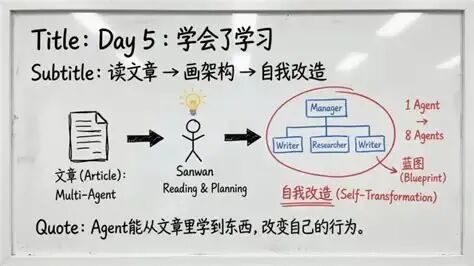
The answer is simple: he isn't one person.
Behind Fu Sheng is an entire team — some do R&D, some maintain the docs, some run the community, some write tutorials. That kind of team power can accomplish a lot of things an individual can't imagine.
The people who publicly promote the one-person company are in fact inseparable from a professional team. The one-person company, OPC, is still just a concept they hype.
I tried to build something too. From idea to implementation it took two full days, and what I ended up with looks like a schoolkid's homework. Next to those big names, the gap is painfully obvious.
So I'd say I fully felt the truth of that line: the ceiling of your ability is the ceiling of AI. The more you understand, the more AI can help you; if you yourself can't figure out what you want, AI will struggle to get it right for you.
I also figured something out: handing AI the repetitive work you already do is still the fastest way to get started.
As a programmer, I got tools like OpenCode and Claude Code last year, and they retired us. They write code, they debug, they refactor — they completely accelerated development.
Using OpenClaw this year doesn't feel as striking, because most of that work was already done by Coding Agents.
So if you also don't know how to use AI, start with your own day-to-day work.
New in tech
I saw two related technical developments this week:
The ACPX protocol — built by OpenClaw, it makes it easy to link external AI tools like OpenCode and Claude Code. Sounds great, but as I said above, I don't yet need openclaw to take over.
Chrome 146 — Google's browser now natively supports AI operation, so AI doesn't have to sneak around imitating humans and fumbling with the browser anymore.
So I also gave the Chrome 146 + Agent Browser combo a test. My impressions:
- Accessibility Tree: much faster than traditional DOM parsing, and it outputs interactive elements directly
- Ref selectors: using refs like @e1 and @e32 to click/fill is more intuitive than CSS selectors
- Full-featured: click, fill, screenshot, network route, cookies, storage are all there
- Good speed: every operation came back in about a second
For scenarios that need web operations at scale, this combo is quite practical.
Tips to share
A few small tricks I learned this week, shared with you:
1. Commands beat typing
OpenClaw has several very useful commands:
/status— check the status of the current task/new— clear the context; use it when starting a new project/task to cut token consumption/stop— stop the running task/models— list the configured models/model— switch models/help— see what commands are available/commands— list all commands
The advantage of commands? They don't have to guess what you want to do — they just execute.
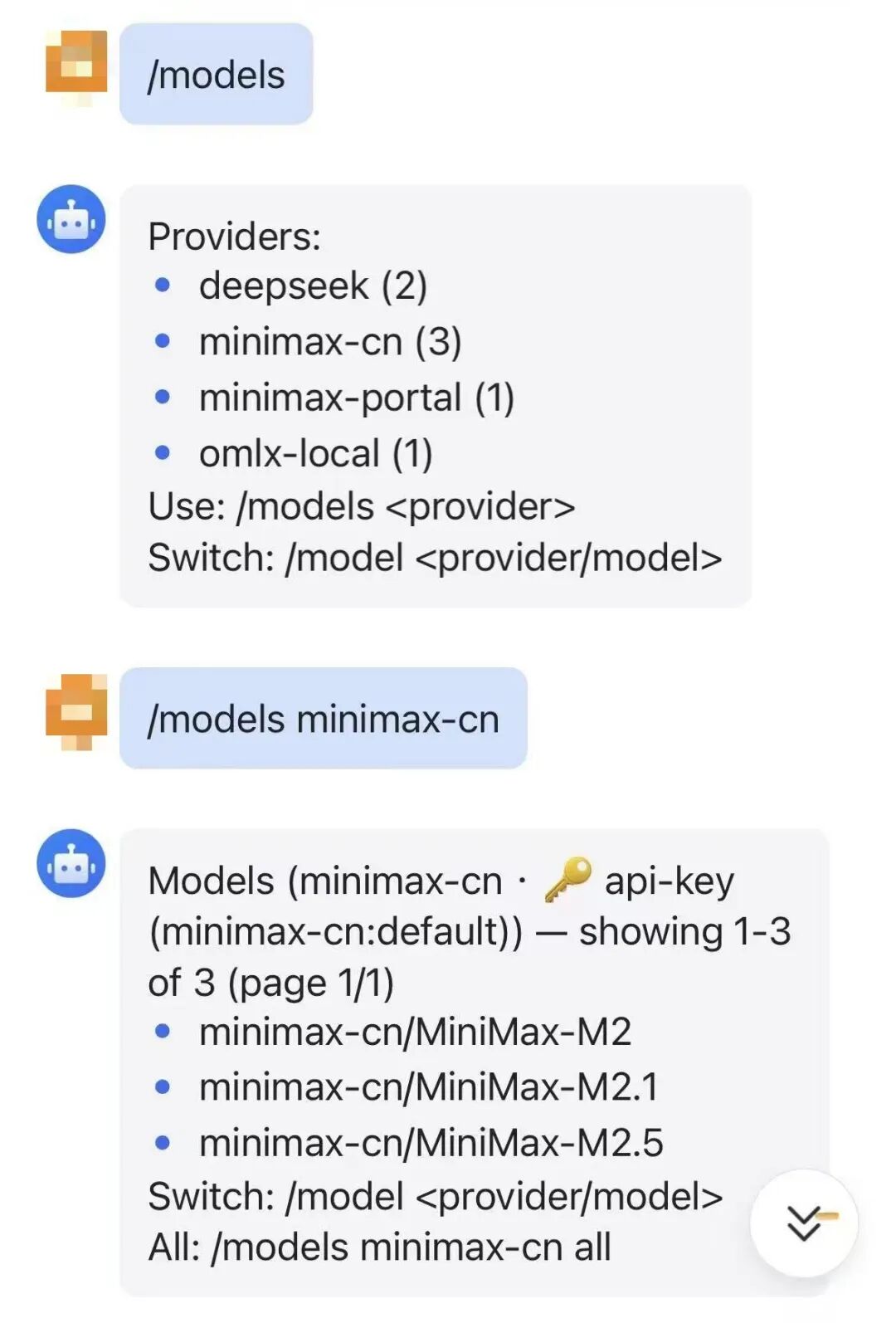
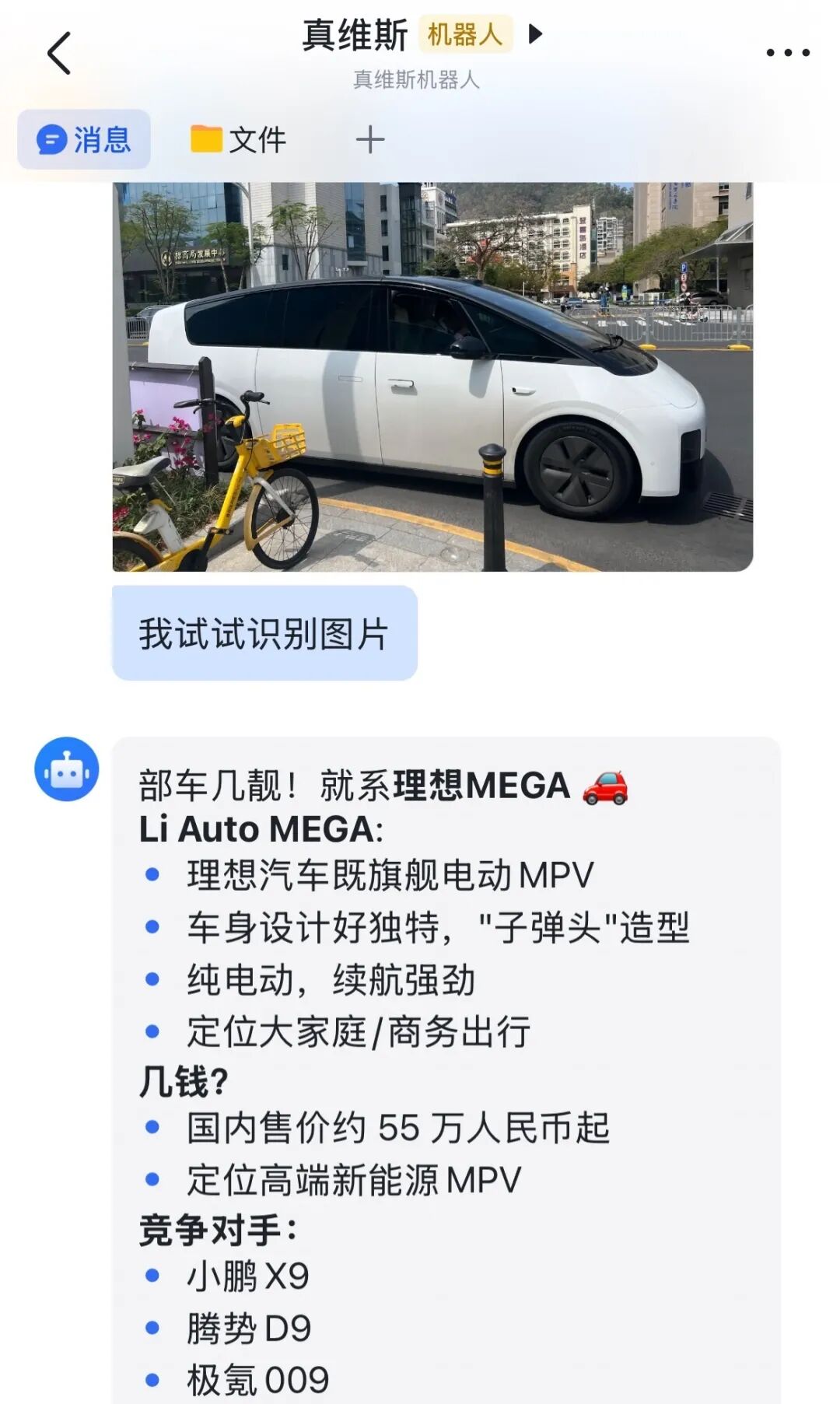
2. MiniMax's OCR is impressive
If you use the MiniMax model, try its image recognition.
Log in with oAuth, pick a minimax-portal model, throw in an image, and it can analyze the content directly.
Great for: reading screenshots, photos, and code images.
3. How you ask determines the quality of the answer
Someone in the group said it's not useful at all, but I looked at his prompt and felt the problem was bigger there.
He asked the Agent: "What's the best claw on the market? Is Tencent QClaw okay?"
And the answer he got was a pile of junk — "The ten best AI tools of 2025: Claude..."
So I rephrased it:
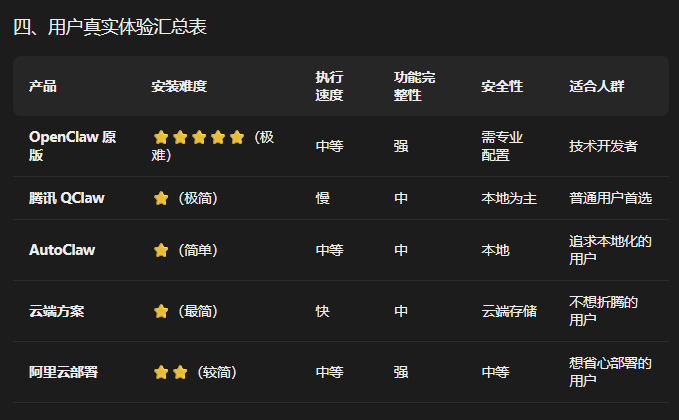
I'd like a survey report on openclaw and its related products, with more emphasis on users' hands-on experience, so I can choose what to install.
The answer was different right away — I ended up with a detailed survey report and a comparison table.
Why does this happen?
Because Agents differ from the chat models of the past. With ChatGPT, you asked and it answered. Today's Agent is more open-ended — it can search for material, analyze, and do much more for you.
But precisely because it's so open, if your description of the problem isn't accurate or specific enough, it doesn't know what you want.
Hence: the more professional the question, the more valuable the answer.
Are you still keeping lobsters? How's it going? Tell us in the comments how you and your lobster are doing these days~
#OpenClaw #shrimpkeeping #FuSheng #AIreflections #shrimptide #AItips
Related posts:
Shrimp-Keeping Weekly 01: A Week of Wits Against AI Tools
Skill Vetter — Put a Lock on Your Lobster
Install OpenClaw Quickly in China and Connect It to Feishu — Windows Works Too