ClawdBot Is a Marketing Show, So I'll Stick With OpenCode and OpenWork
Not long after ClawdBot (now renamed OpenClaw) launched, it set off a wave of hype that flooded Chinese social feeds.
I'm sure you've all been sick of it these past couple of days.
To me, the ClawdBot launch looks more like a carefully orchestrated marketing carnival.

A Recap of the Marketing
The whole thing started dramatically enough: because its name "Clawd" sat a little too close to Anthropic's "Claude," the project got a warning and had to change its name. But look through its release history and this was already its third rename — the intent to ride someone else's hype is plain as day.
The messaging was contradictory, too.
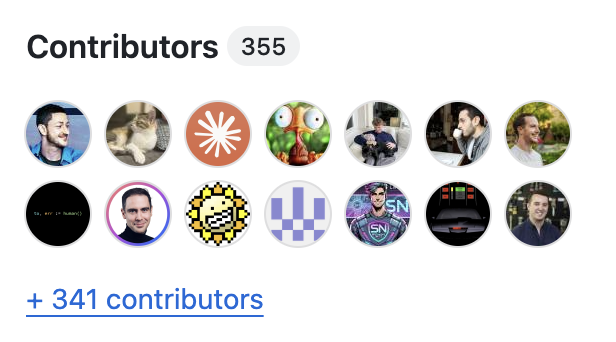
The project was once pitched as the work of a "founder going it alone," yet the GitHub repo's contributor list has long since passed 300 people. Even the first version after the rename to ClawdBot had at least five contributors. That kind of talk is what made me doubt what the founder says.
The latest stunt involves the features of one of its Skills. That feature lets the connected AI post on its own to Reddit and other platforms, and some of the posts were about "how to encrypt things so humans can't understand them" — there was even a sensational question like "how do I sell my master."
Think about it for a second: even if the AI really did have that ability, it would be deliberate. The heavy whiff of marketing hype is unmistakable.
In the end the project settled on OpenClaw, keeping "Claw" at the center the whole way and riding the momentum of openCode and openWork while it was at it. Looking at the arc as a whole, there seems to be far more noisy marketing story than solid work on the product itself.
Security Is Worrying
What is ClawdBot? Put in terms everyone here can follow: it's Doubao Assistant, and a computer with ClawdBot installed is roughly the equivalent of a Doubao phone.
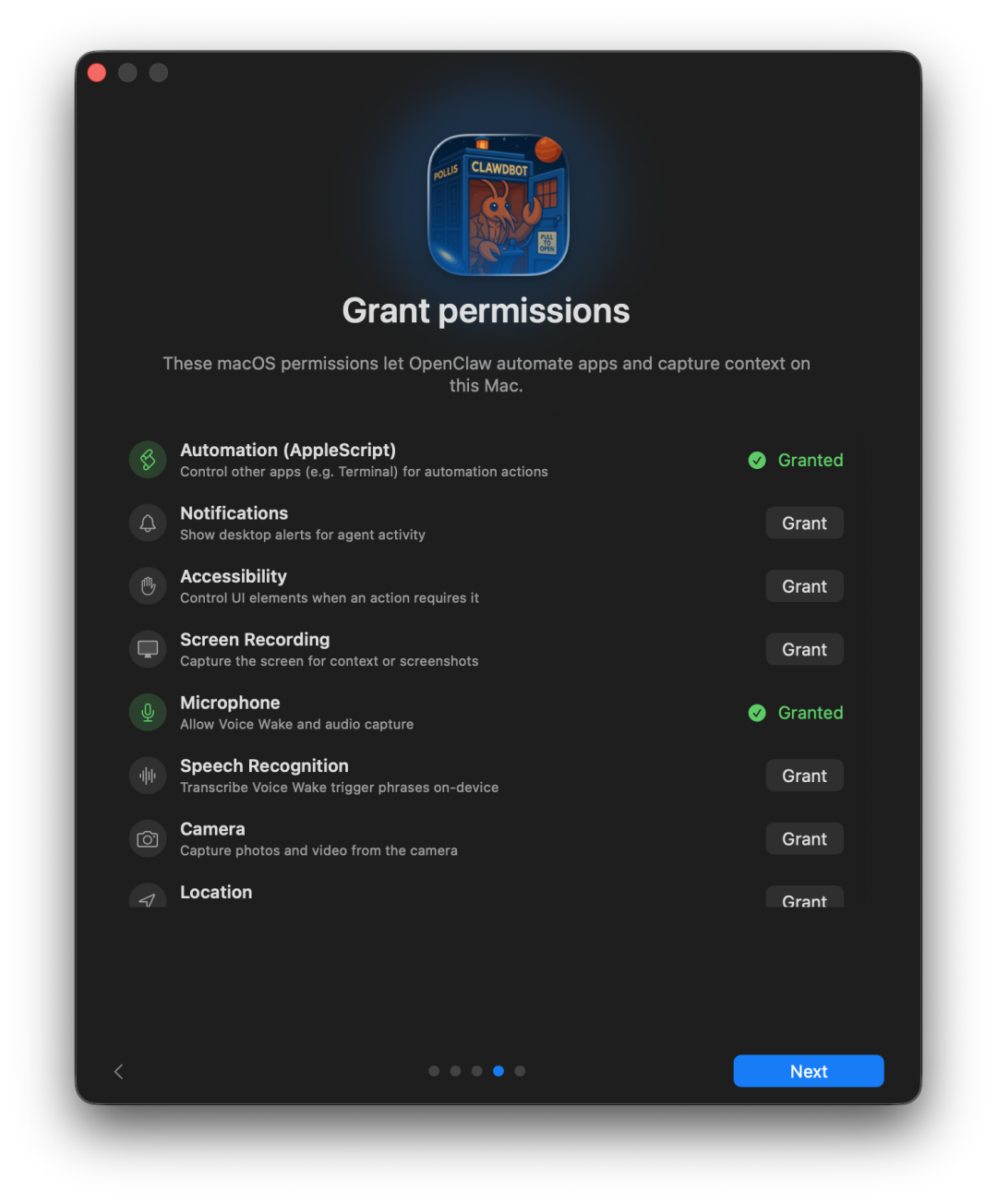
So whatever security problems the Doubao phone has, this has them too. When you install it on a Mac, you get an obvious security warning and pop-ups asking for close to ten permissions.
ClawdBot's philosophy is "everything local except the large model." That sounds different from Kimi's idea last year of "giving the large model a computer" — in practice it's "giving the computer an AI" — but it doesn't fundamentally solve the privacy and security risks that come with binding your personal device tightly to a cloud AI.
What unsettles me more is how it handles permissions. It asks users to hand over near-system-level, broad permissions all at once — and is a single security notice really enough to absolve it of liability? That kind of crude authorization drops your privacy and data security into a rather murky gray zone.
Thin Support for the Domestic Ecosystem
As a user in China, I find ClawdBot awkward to use — it just doesn't fit the local environment in a lot of places.
First, its main entry points are Telegram and WhatsApp. Everyone knows the situation with those two here: for an ordinary user to use them at all, step one is wrestling with their network setup. That barrier alone keeps the vast majority of people outside the door.
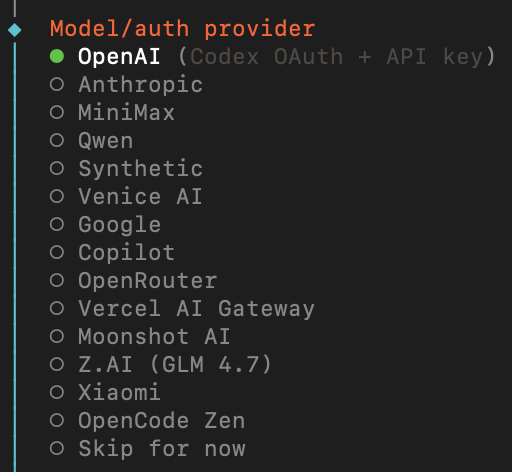
Second, its support for Chinese large models is close to zero. The official list names a pile of models, but the ones we actually use — MiniMax, Zhipu GLM, Moonshot Kimi — are either unsupported or only work through the international API versions, and wiring up domestic services costs a good deal of time.
I saw a self-media account spend most of a day finishing the configuration, then use it to tidy up a folder and shout with excitement.
That struck me as pretty funny. Functionality like this is something openwork and others have been able to do for ages; it leaves you feeling like you've been sold and are still counting the money for the seller.
So at the end of the day, ClawdBot's entire ecosystem design still feels like it was built entirely around how overseas users work. For domestic users, it isn't the first choice.
If you run a company registered in China and have bought services from Alibaba Cloud or Tencent Cloud, those two recently rolled out deployment options built on DingTalk and WeCom (with modified source), starting at 99 yuan per month — but for individual users like us, it's nowhere near that easy.
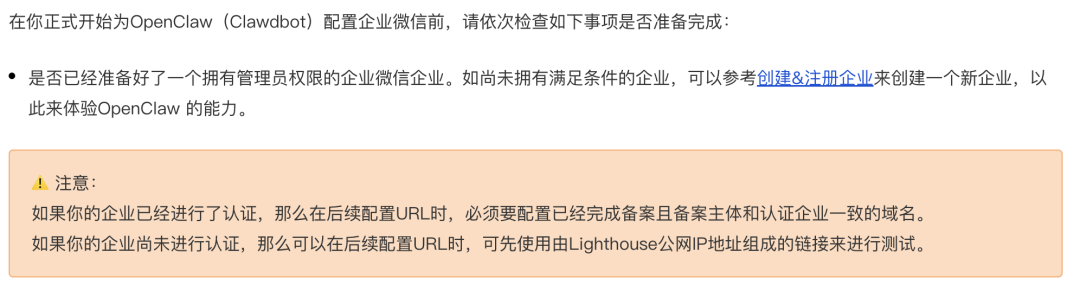
If you have a Mac, you can follow the official docs and try installing and configuring it in a local environment. But I haven't managed to get it working yet either.
Compared with apps like opencode/openwork that install in one click, openClaw today is clearly still a long way off.
Back to Basics: The Steadier Choice
If you genuinely need a desktop AI assistant, I'd personally recommend open-source projects like OpenCode and OpenWork. They may lose to marketing when it comes to volume, but they win on how solid the product is:
- Safer permission design: a folder-based, limited-authorization mechanism is far more reasonable and safe than ClawdBot's crude approach.
- Complete features, and open source: the things ClawdBot can do, document processing for example, have public, well-built implementations in these projects, which makes them more reassuring to use.
- Simpler installation and setup: no drawn-out process, and friendlier to users.
- More earnest localization: on supporting Chinese large models, OpenWork and OpenCode have clearly put in more effort instead of stopping at talk.
Honestly, a lot of ClawdBot's features aren't as well developed as OpenCode/OpenWork's. And its later turn to riding that hype makes it feel like it has put the cart before the horse.
Of course, giving AI instructions through a messaging app is still something only openClaw does right now. Will OpenCode/OpenWork see the demand for this and follow suit? We'll see.
"Talk about something long enough and it comes true" is the marketing rule of the moment.
But the long-term vitality of a technical tool ultimately comes from steadily solving users' problems, not from noisy marketing stories. I hope the noise passes soon and tools go back to being worth what tools are worth.