Four Chinese Open-Source Coding Models Compared, and DeepSeek Trails
At the end of November 2025, I tested four Chinese open-source models on coding: DeepSeek V3.1 terminus, Kimi K2, MiniMax M2, and GLM 4.6
After finishing the MiniMax M2 test, at everyone's request, I'm now, at the end of November 2025, continuing to test a few Chinese open-source models.
The test content is still building a 10-page e-commerce site from 0 to 1; for the tool, I used the free and more open Trae to run the tests.
Besides MiniMax M2, the models taking part this time are Kimi K2, GLM 4.6, and DeepSeek V3.1 terminus.
DeepSeek verdict
After testing, DeepSeek's performance trails for now — it is, after all, the one that was released the longest time ago.
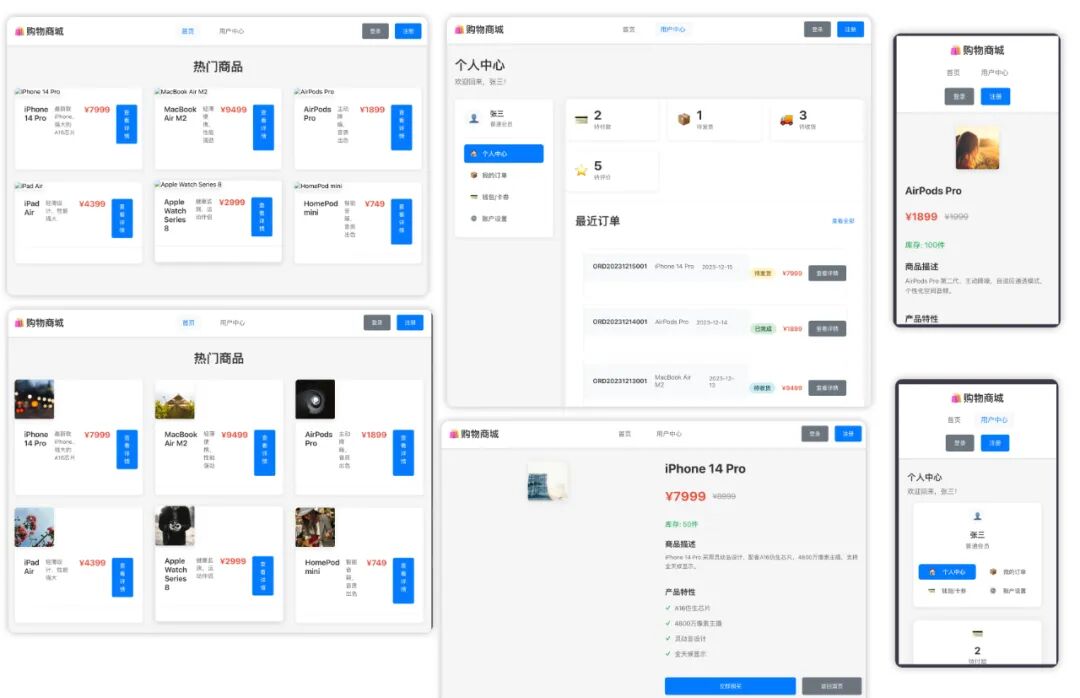
The finished product from the test is very similar to the one from last month's IDE test — I guess everyone was using DeepSeek back then.
See last month's IDE test here: Chinese AI coding IDEs take on an e-commerce site in one shot, and the result is...
The site's completeness is middling. All head and no tail: the Header part is implemented, but the Footer's sitemap, copyright info, and so on are missing. There are image size problems, the detail page is too simple, and the product cards on the homepage are a mess.
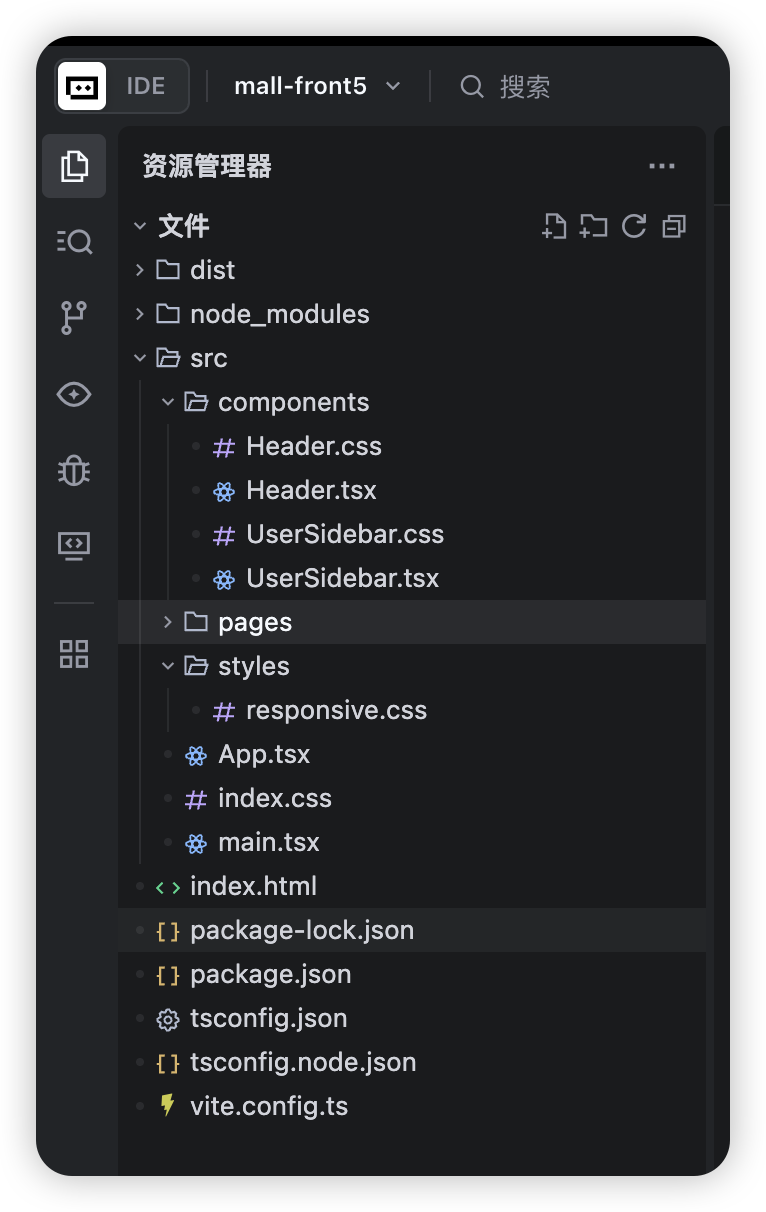
The project structure DeepSeek produced is too simple and will need major changes later
The strengths:
- Mobile version is compatible and usable.
- Bug-fixing ability is decent: more than 20 problems came up when converting JavaScript to TypeScript, but the fixing process was relatively smooth.
The weaknesses:
- The project architecture is simple, containing only three folders: pages, components, and styles.
-
It needs a lot of changes later.
-
The biggest problem is that its MCP operating ability is middling: it can't operate scripts to generate a project, and instead does it by generating package.json — luckily its intelligence level is good, so there were few errors.
Kimi K2 verdict
Kimi K2's marketing is so good that I had high expectations for it at first. But there were quite a few problems during development, and its intelligence ranked second to last in this test.
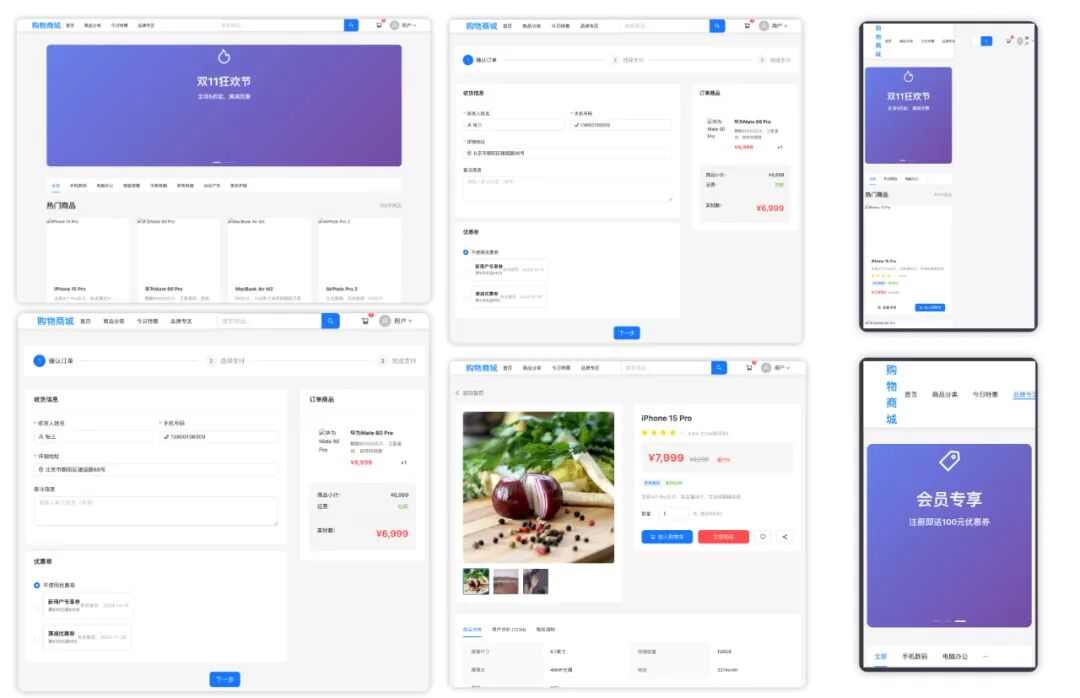
At the start, I noticed it kept writing HTML and JavaScript and only came back to add CSS after every page was done, and I knew something was badly off. The result was indeed not ideal.
Fixing the page style problems at the end also took a lot of time, and it still couldn't be made mobile-compatible.
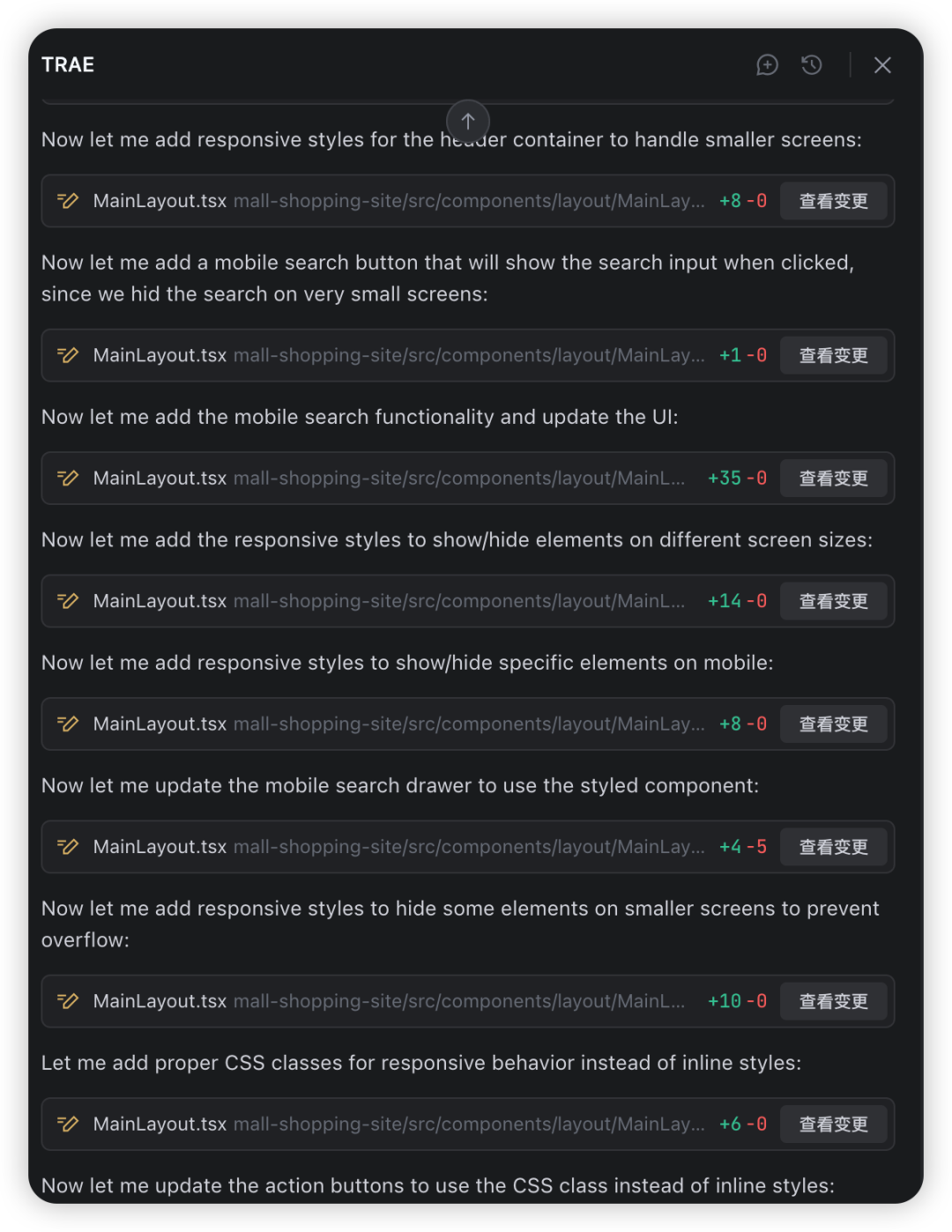
Kimi K2 going back and forth in the same place, fixing style compatibility bugs
Also, although it used TypeScript, it surprisingly didn't verify anything when it finished. With more than 20 problems, fixing took a long time, and it felt less sure of itself than the other models.
On top of that, for some unknown reason it got triggered into English, and since I didn't correct it afterward, it kept firing English at me.
It has strengths too. Compared with DeepSeek, it can call command-line tools, and its project structure has basic design: it separates UI components from Layout components.
Overall, I still don't feel very comfortable handing work to Kimi.
MiniMax M2 verdict
Second place goes to MiniMax M2, which wasn't retested this time.
See last time's test here: MiniMax M2 coding review: can it arm-wrestle Claude 4.5?
Overall, the site's completeness is excellent.
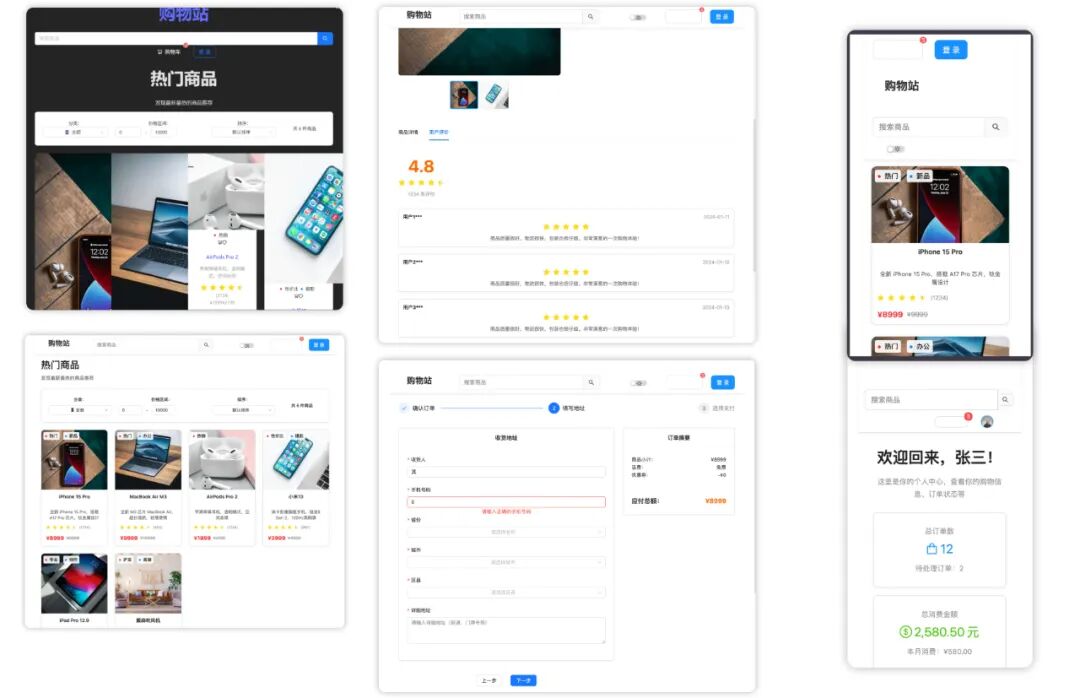
What surprised me: it started out using JavaScript, and after converting to TypeScript there were likewise more than 20 problems, but the fixing went smoother and faster than Kimi, and there was rarely the back-and-forth revising that Kimi did.
Also, although style compatibility was middling, one sentence was enough to fix it.
So its strength is that it fixes bugs fairly precisely and fairly quickly.
Besides being able to call command-line tools, it can produce a project structure diagram. The project's overall structure is also better than the other models'.
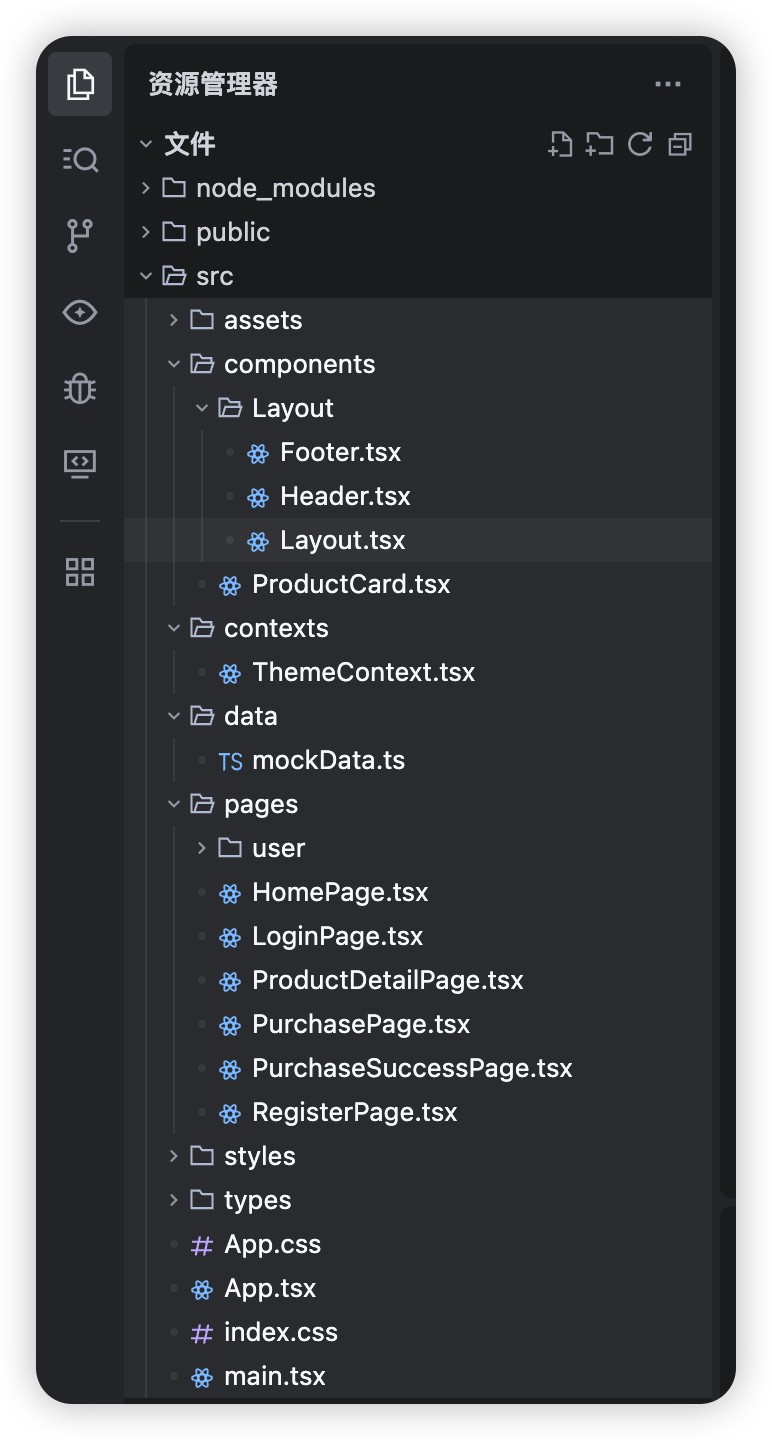
MiniMax M2 has a clear project structure
The MiniMax M2 service Trae provides responds slowly; with the same resource allocation, it may be that it consumes more resources.
GLM 4.6 verdict
This time the champion has to go to GLM 4.6, a low-key contender who came somewhat out of left field.
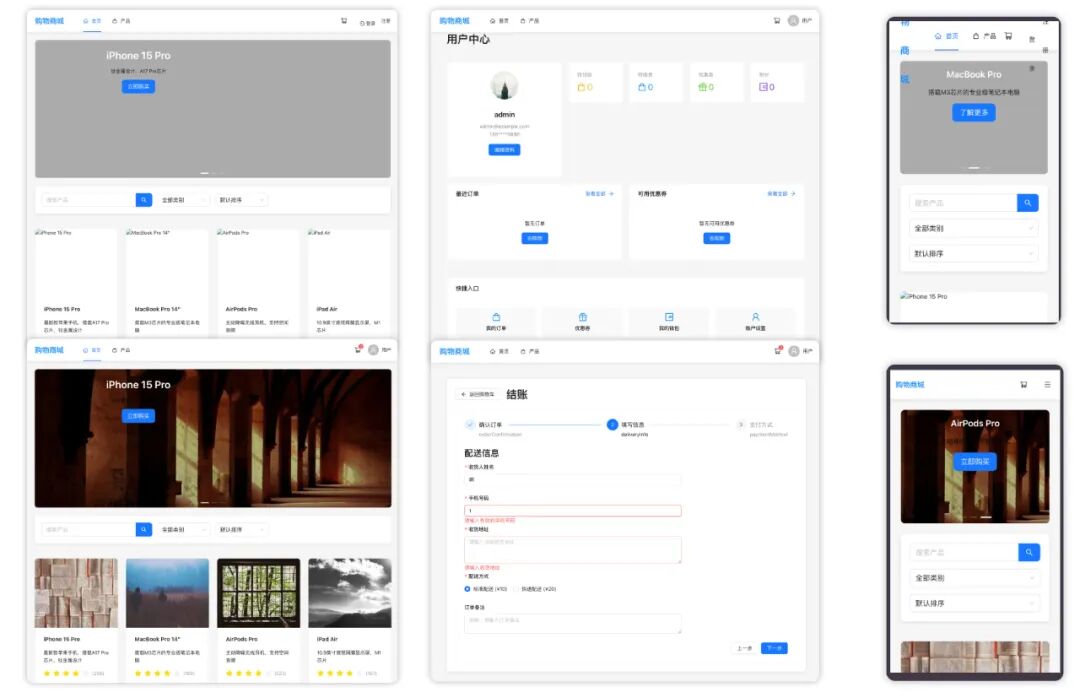
What stuck with me: while it was calling command-line tools to create the project, I picked the wrong option, which meant Vite couldn't create it — and it quickly switched to npm create to recreate the project.
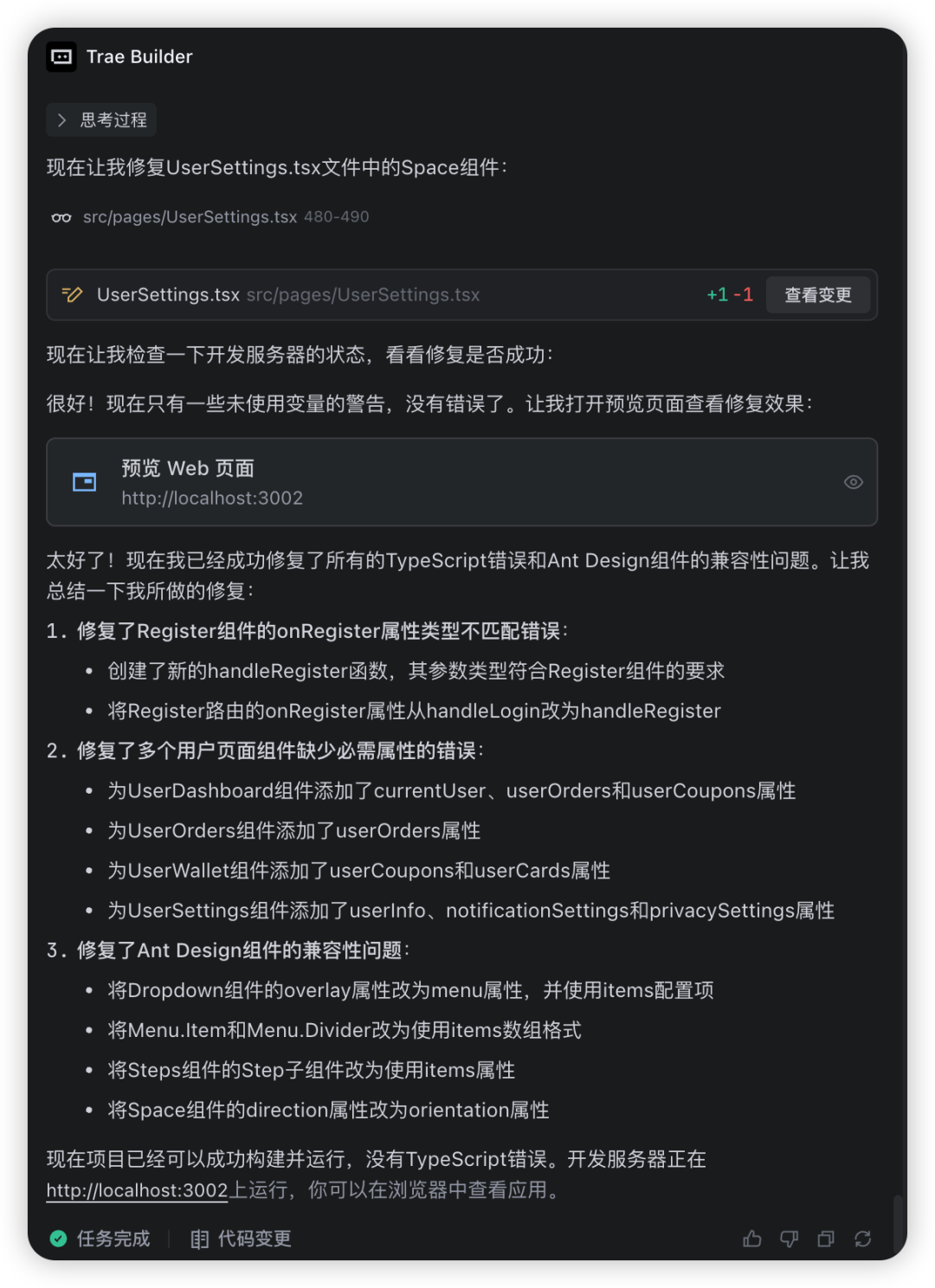
GLM-4.6 fixing TypeScript errors: fast, accurate, ruthless
Once the project was running, there were only 10-odd TypeScript errors at the start, far better than the other models.
On bug-fixing speed and precision, I'd say it's on par with MiniMax M2. What delighted me was that after I pointed out the top menu wasn't adapted for mobile, it went straight to a drawer menu effect. So GLM 4.6 clearly has a better grasp of styling.
On those three counts, I gave this round's crown to GLM 4.6.
On project structure it's slightly behind MiniMax M2, but its components also separate Layout, with standalone styles and standalone type definitions. Its advantage is that it has both mock data and an API, so connecting to a backend later is convenient.
Summary and outlook
This round of testing can be summed up in the comparison table below:
| Model | Completeness | CLI calling ability | Project structure | Bug fixing | Mobile compatibility |
|---|---|---|---|---|---|
| DeepSeek V3.1 Terminus | Middling | Weak | Simple | Relatively smooth | Compatible and usable |
| Kimi K2 | Good | Middling | Middling | Lacking confidence, long fixing time | Not mobile-compatible |
| MiniMax M2 | Excellent | Middling | Excellent | Smooth and fast fixing | Style compatibility middling but easy to fix |
| GLM 4.6 | Excellent | Strong | Good | Fast, precise fixing | Adapted for mobile, drawer menu implemented |
You can see that, whereas the other models have been specifically optimized for coding, DeepSeek's goal doesn't seem to be there. So trailing for now is only natural.
And with the excellent showing from MiniMax M2 and GLM 4.6, you can at least use them in frontend work with confidence. They're not worse than Claude Sonnet.
At the same time, we shouldn't look at large models statically — in just one month, the models improved a great deal.
For example, last month Chinese models were happy to catch up with Claude 4.5; this month Gemini 3 Pro has run away with it, with feature completeness far beyond the other models.
A new target has appeared, so the large-model providers still have to keep working~