Qwen3 vs DeepSeek: Who Is the True King of Open-Source LLMs?
Alibaba's Qwen3 set the community alight the moment it launched—but does a million downloads really live up to the hype? After testing it head-to-head against DeepSeek R1/V3, the results were surprising... So which is the most trustworthy open-source LLM of 2025? This post gives you the answer with real test data.
Alibaba's newly released Qwen3 bills itself as "the world's most powerful open-source model," and it passed one million downloads on ollama right after launch.
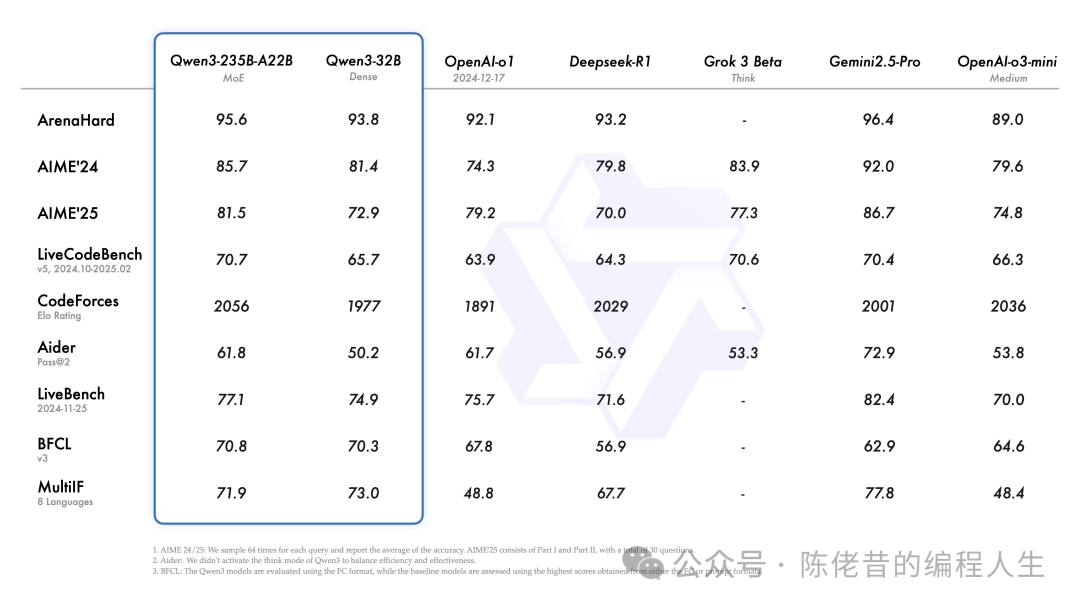
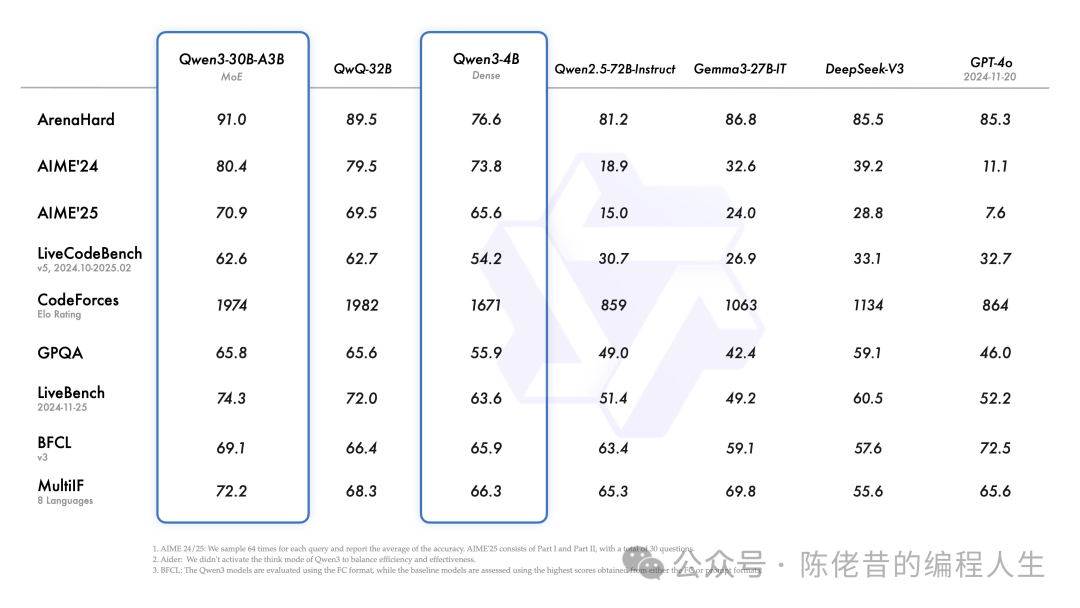
The official benchmark data shows:
- Qwen3-32B slightly outpaces DeepSeek R1
- The Qwen3-30B-A3B and 235B versions lead their benchmarks, DeepSeek V3 and R1, by a wide margin
That set of numbers certainly whetted developers' appetites. I immediately downloaded it through ollama to try:
ollama run qwen3
ollama run qwen3:30b
First Contact
Yet the very first interaction didn't match expectations.
Agent capabilities, able to integrate precisely with external tools in thinking and non-thinking modes, achieving leading open-source model performance on complex agent-based tasks.
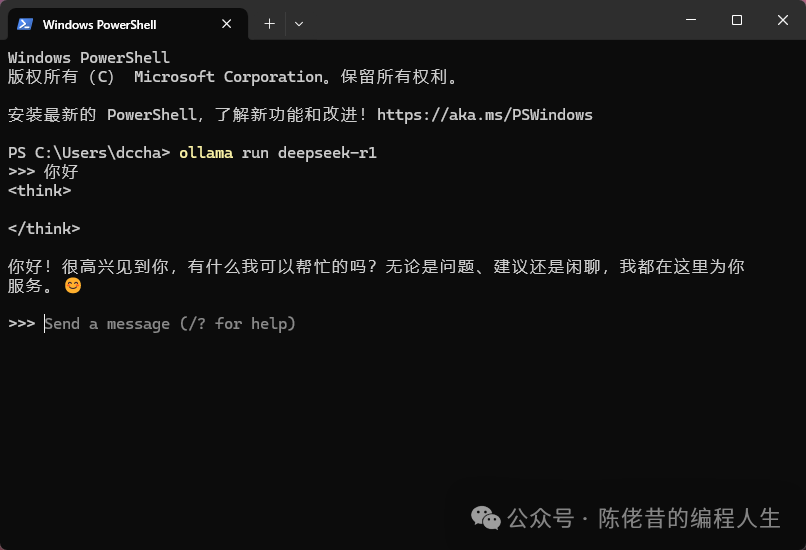
The "agent capabilities" the official announcement played up—supposedly able to switch intelligently between thinking and non-thinking modes—in actual testing (whether the 8B or the 30B version) triggered an unnecessary thinking process even for a simple "Hi Hi" greeting.
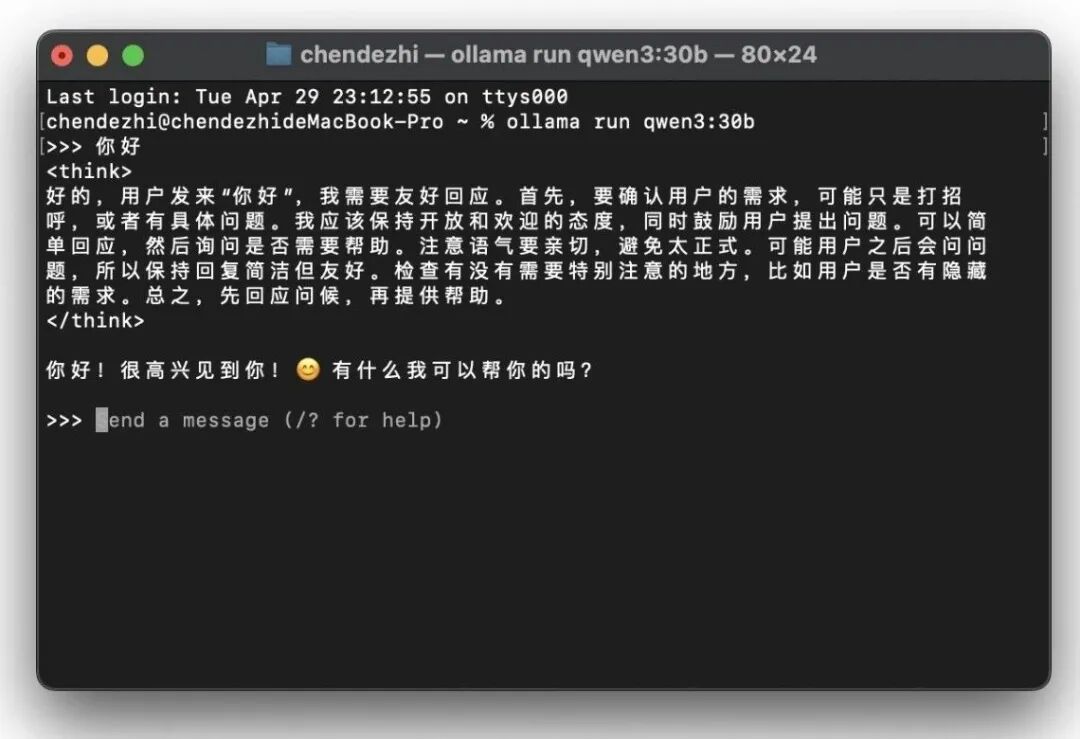
By contrast, DeepSeek R1 can skip thinking mode.
Handling Complex Tasks
The thinking-mode switching problem doesn't affect everyday use, so let's focus on how it performs on complex tasks.
I took a Microsoft official case study on renovation investment decisions and localized it:
我有15000元用于家庭装修。 我要在厨房、浴室或客厅之间做出选择。
未来3年内,哪种改造能提升房屋的价值?
To keep the comparison fair, I tested directly on Qwen's official site (qwen.ai).
The results showed Qwen3 doing reasonably well, but its chain-of-thought steps were astonishingly identical to DeepSeek R1's, differing only slightly in wording—which inevitably raises the suspicion that its chain-of-thought feature was ported over.
Qwen3's chain of thought:

DeepSeek's chain of thought:

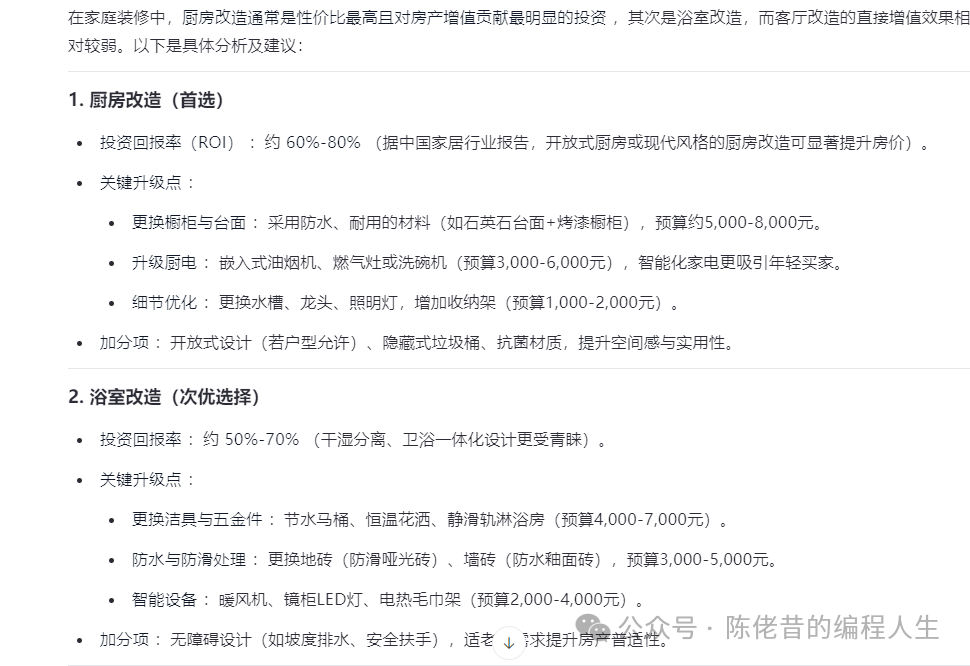
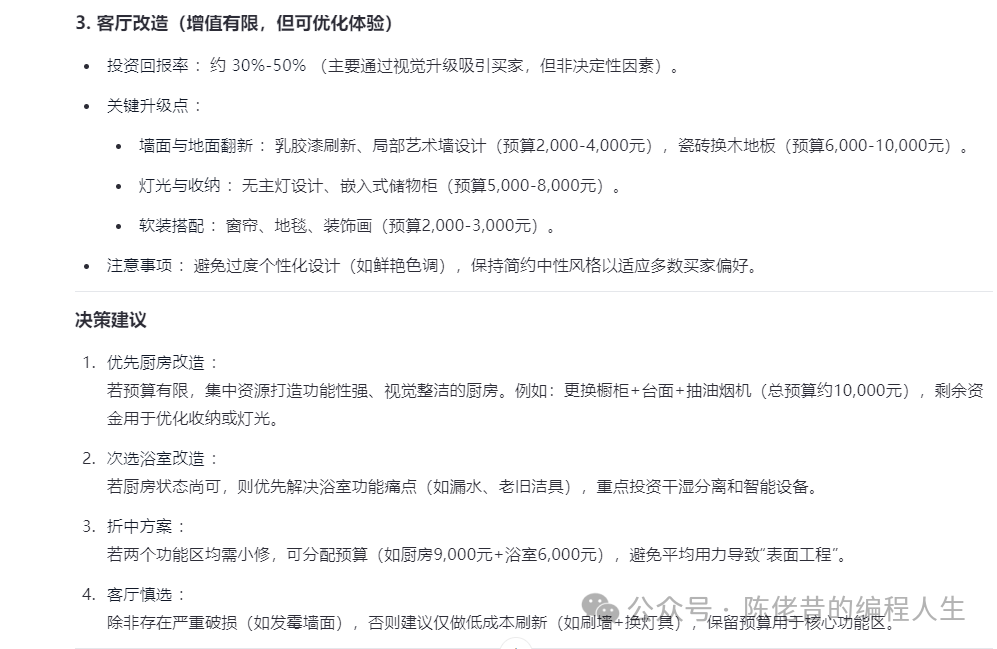
Comparing the main answers, both gave the same sensible priority order: kitchen > bathroom > living room.
The body of Qwen3's answer:

The body of DeepSeek's answer:
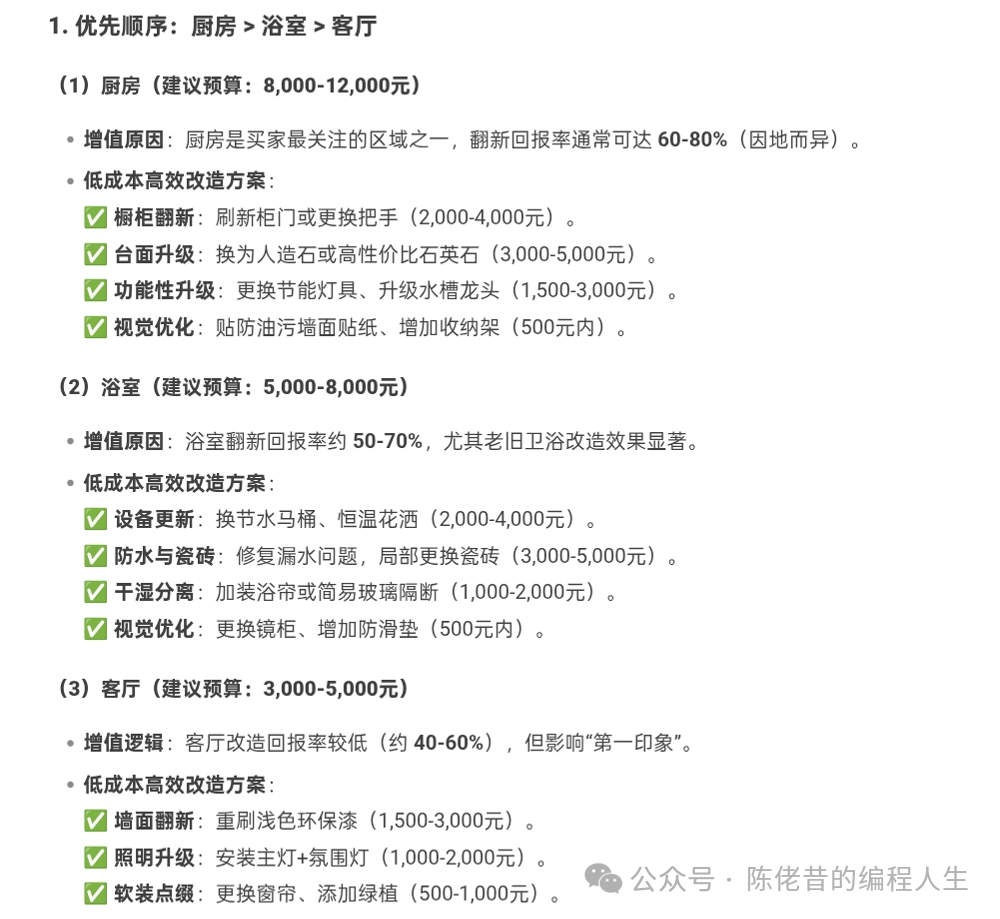
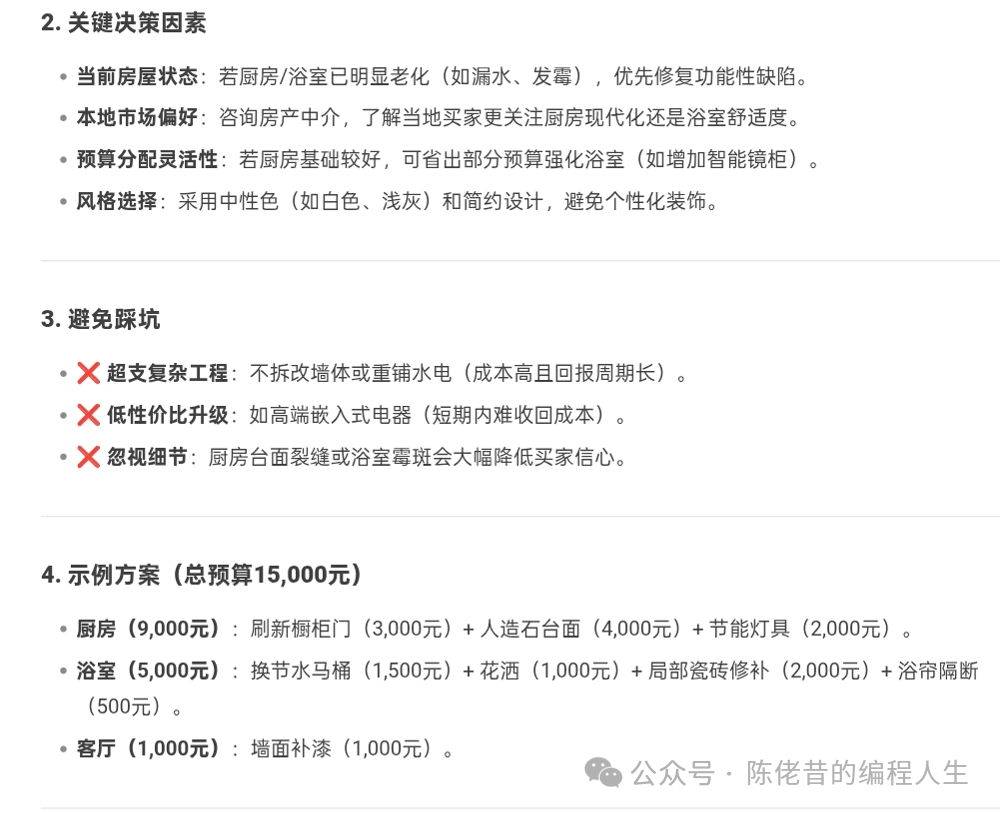

But by comparison, DeepSeek's answer was more valuable:
- It pointed out possible risk points
- It provided a more complete sample implementation plan
- Overall it was richer in detail, and the plan was more thorough
Handling Open-Ended Problems
Maybe this kind of use case is too official—very likely it's already in the LLM's question bank.
To test the model's ability to handle open-ended questions, I ran a bank financial report analysis:
获取中国银行、工商银行、农业银行、建设银行、交通银行的2024年财务数据,
从利润、现金流、资产负债多个方面对比,输出表格。
And with that one question, the problems showed up:
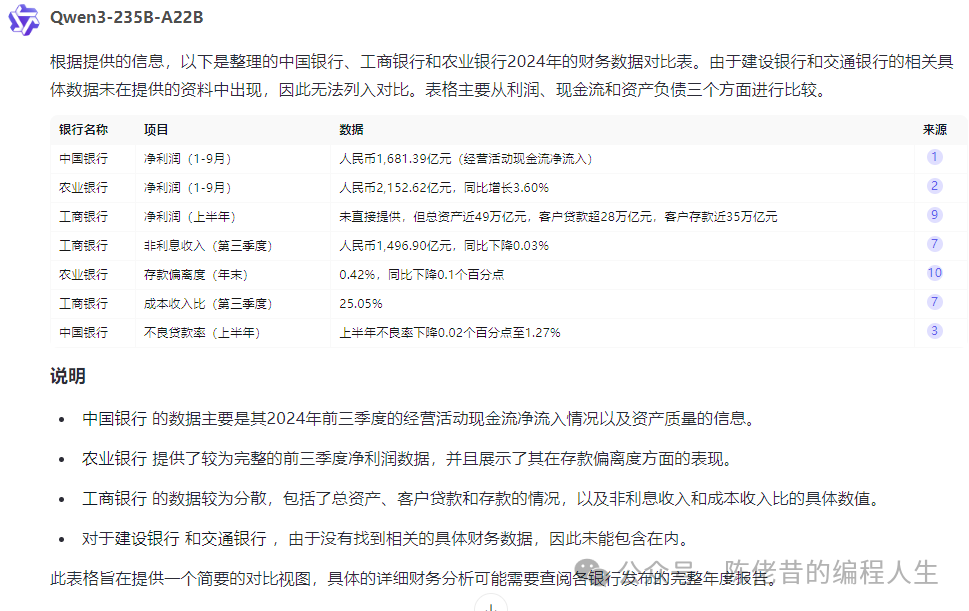
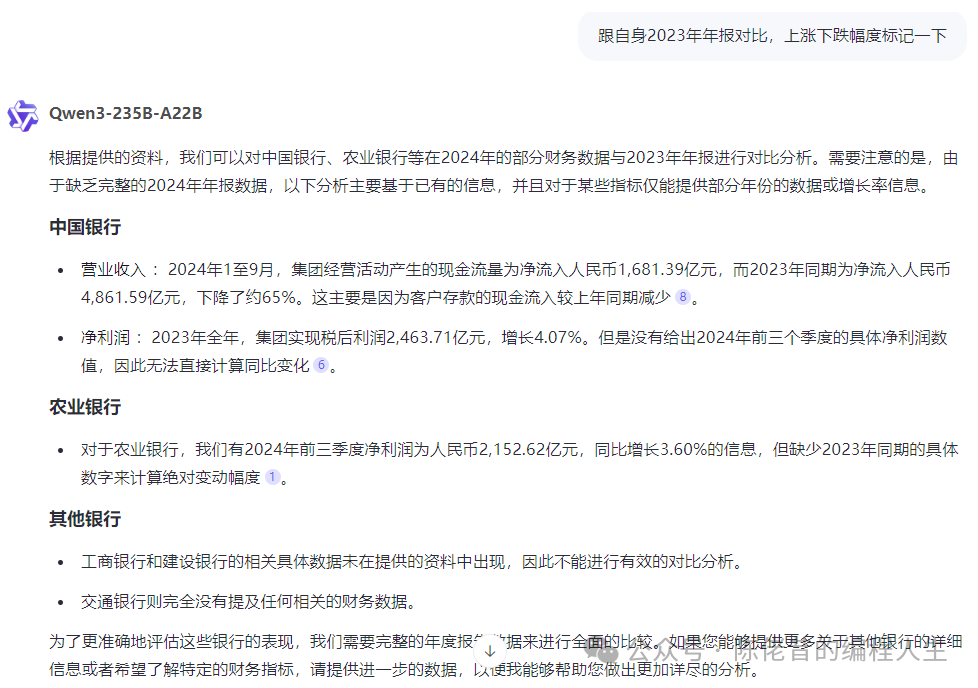
The test results were disappointing:
- The first query didn't retrieve data for Bank of Communications or China Construction Bank.
- On the second query, ICBC's data went missing as well.
- When asked to generate a comparison table, the model instead turned to answering a question about Excel operations.

Although another attempt later barely finished the task, its performance was far below expectations.
So how did DeepSeek do? See the answers below.
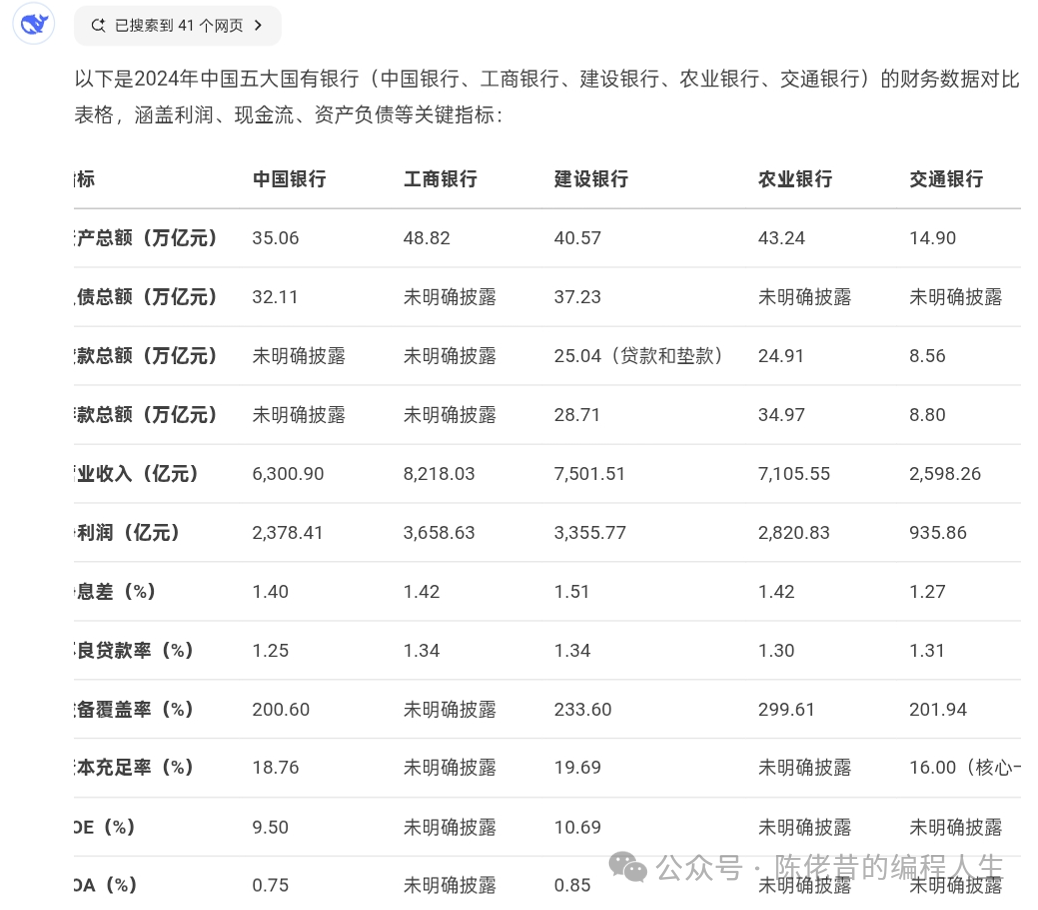
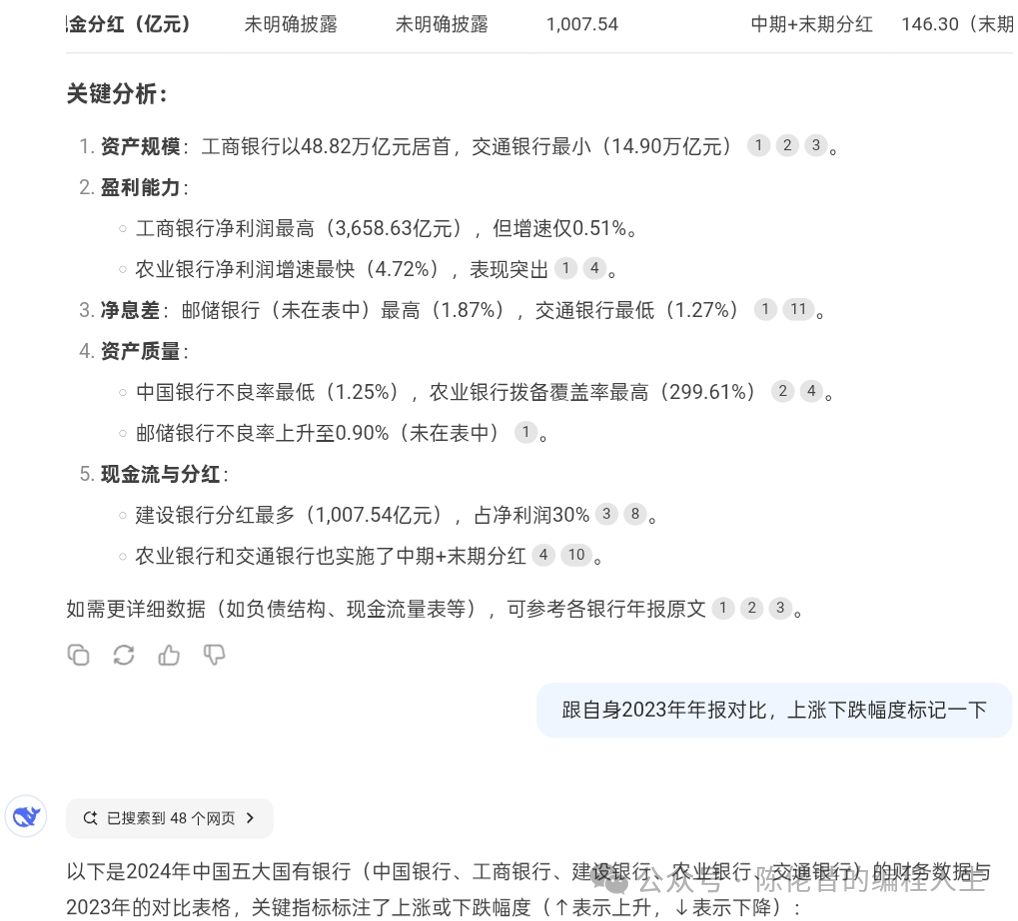
I believe by this point you've already seen who won, so I won't screenshot the rest.
By comparison, DeepSeek was stronger on accuracy of natural language understanding, task completion, and data completeness.
Although it also suffers from hallucinated data (always verify important data), its overall performance is clearly better than Qwen3's.
Conclusion
In 2025, surface-level benchmark scores alone are no longer enough to judge an LLM. The real test is whether a model can fit into daily work and life and solve real problems.
From my actual testing, DeepSeek really is stronger at handling complex tasks, clearly ahead of other open-source LLMs.
Alibaba's contribution to the open-source community deserves respect, and Qwen3 may perform outstandingly in areas I didn't test. But the gap between overblown marketing and actual experience easily leaves developers with a negative impression. Technological progress should still be grounded in reality, one step at a time.