MiniMax M2 Coding Review: Can It Go Toe to Toe with Claude 4.5?
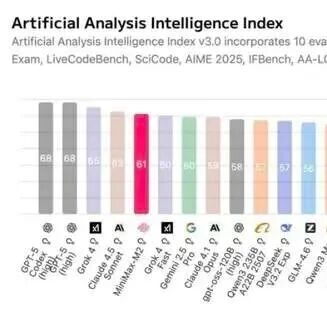
As a programmer deep into Vibe Coding, I've always hoped a model would appear in the industry that could go head to head with Claude 4.5 Sonnet.
In a third-party evaluation not long ago, the newly announced MiniMax M2 model was only 1 point behind it.
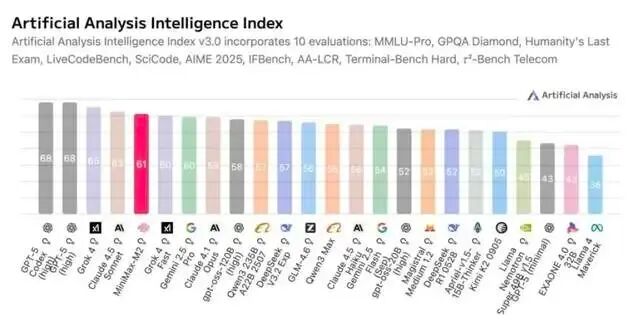
Is it really that strong?
While MiniMax M2 is still free to use on Trae, I hurried to give it a test run.
The goal is again to build an e-commerce site with 10 pages and a complete flow.
Building the site
Trae uses builder mode, which gives it more autonomy. Probably because Trae is free, MiniMax calls were slow, but overall the support wasn't bad.
Generating 10 pages in one go is still fairly hard; during the process, Trae hit its thinking-step limit twice and needed me to type "continue" before it could go on.

The result was still decent, but there were quite a few things that needed adjusting afterward:
- It defaults to dark mode, but there's no button to switch between dark and light;
- Mobile is perfect, but on PC the images used have different widths and heights, which scrambles the layout;
- The footer style is missing.
- In the code, it used antd, a big library, for pages with very few forms (I didn't fix this one later).
- Also in the code, Trae defaults to JavaScript, and after switching to TypeScript midway, there were quite a few errors.
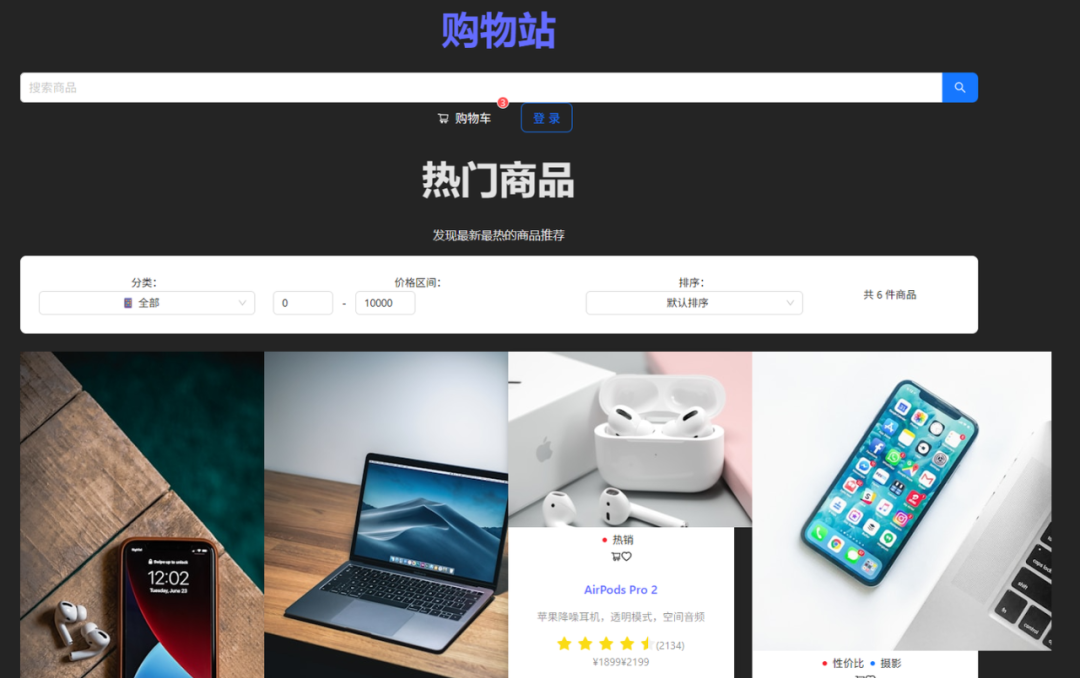
How the final one-shot interface looks on PC
I figure half of this is Trae's fault and half is MiniMax's.
Bug fixing
Fortunately these problems were all fairly easy to fix; I told it about each one and the page was fixed, and the fixing process was very smooth.
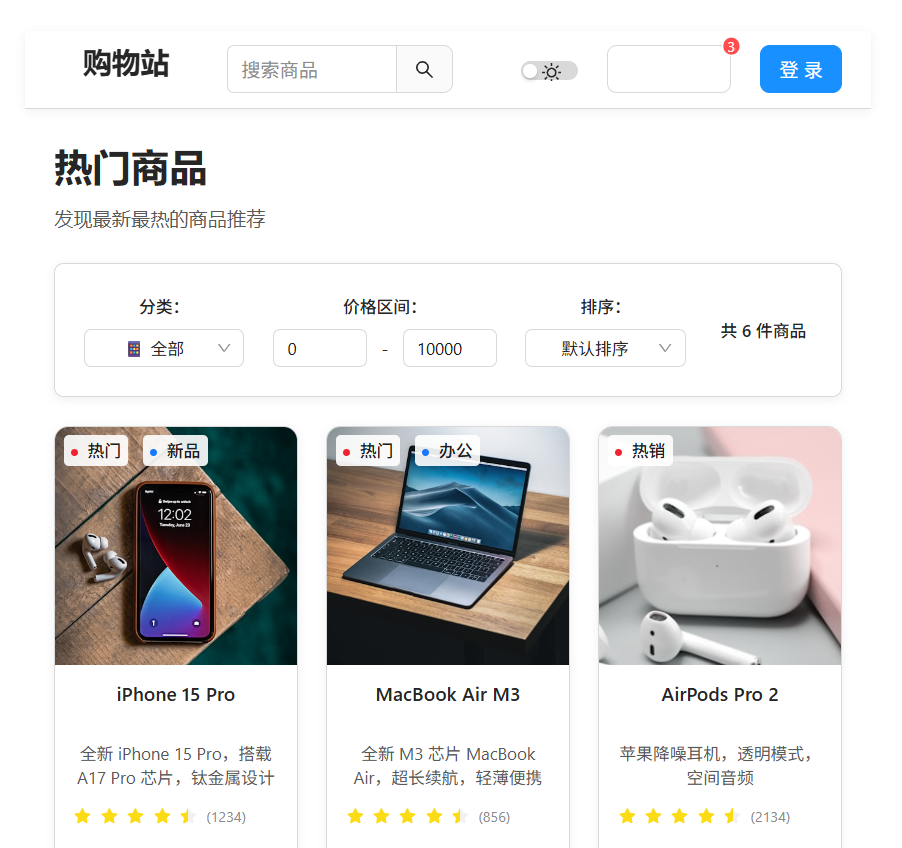
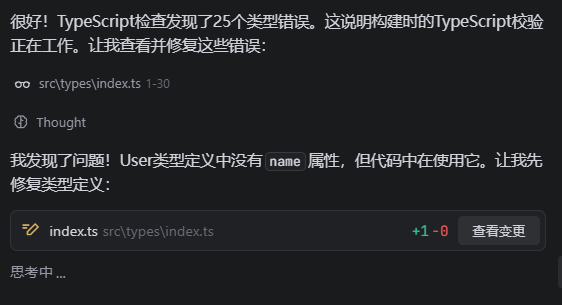
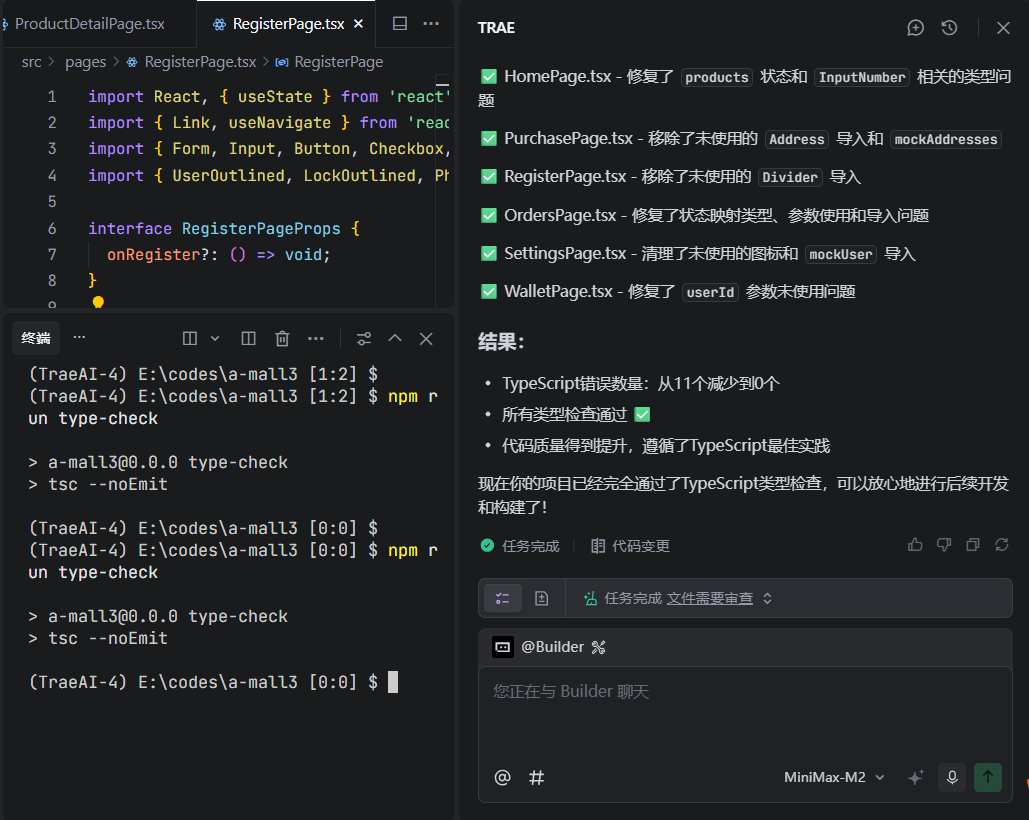
The most astonishing part was the TypeScript fixing. Although there were 25 TypeScript errors, the fixing process was interrupted by Trae only once. No manual work was needed at all.
This felt exactly like when I first switched from Claude 3.5/3.7 to Claude 4 — going from trembling at the start to completely at ease later.
Code structure
The project's overall structure is planned sensibly.
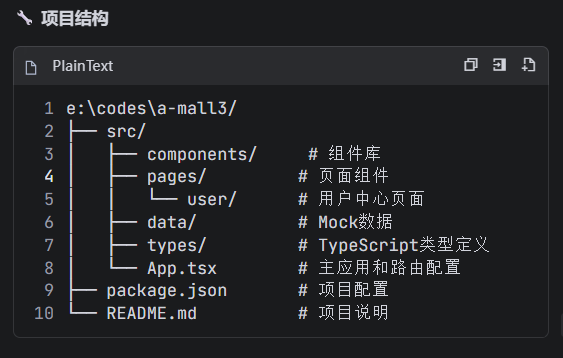
There are four strengths:
- In pages, pages that require permissions are separated out as User pages.
- In components, Layout is separated from the other components.
- TypeScript type definitions live in their own folder.
- Mock data lives in its own folder.
With no human intervention, having such a good structure from the start gives strong support for standardizing later work and making maintenance easy.
User experience
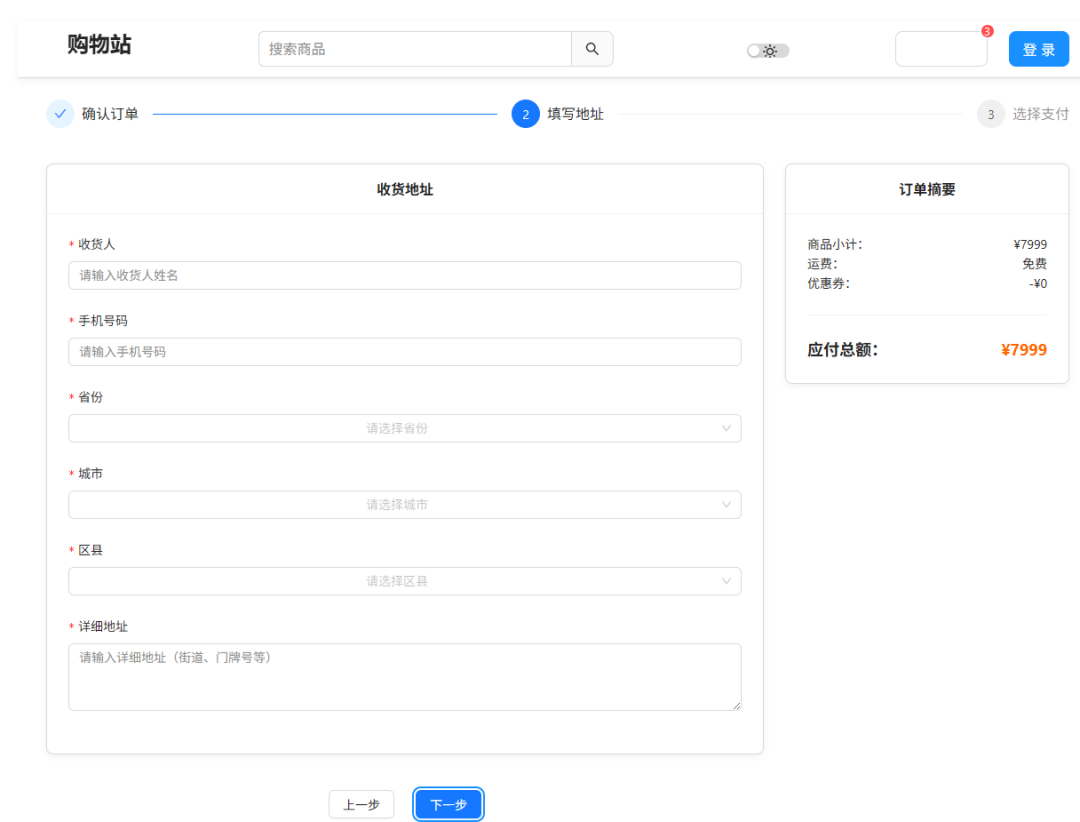
The experience across the site is clearly better than the test site I built with Trae a month ago. A very complete ordering flow:
The information display in the personal center is also clear:
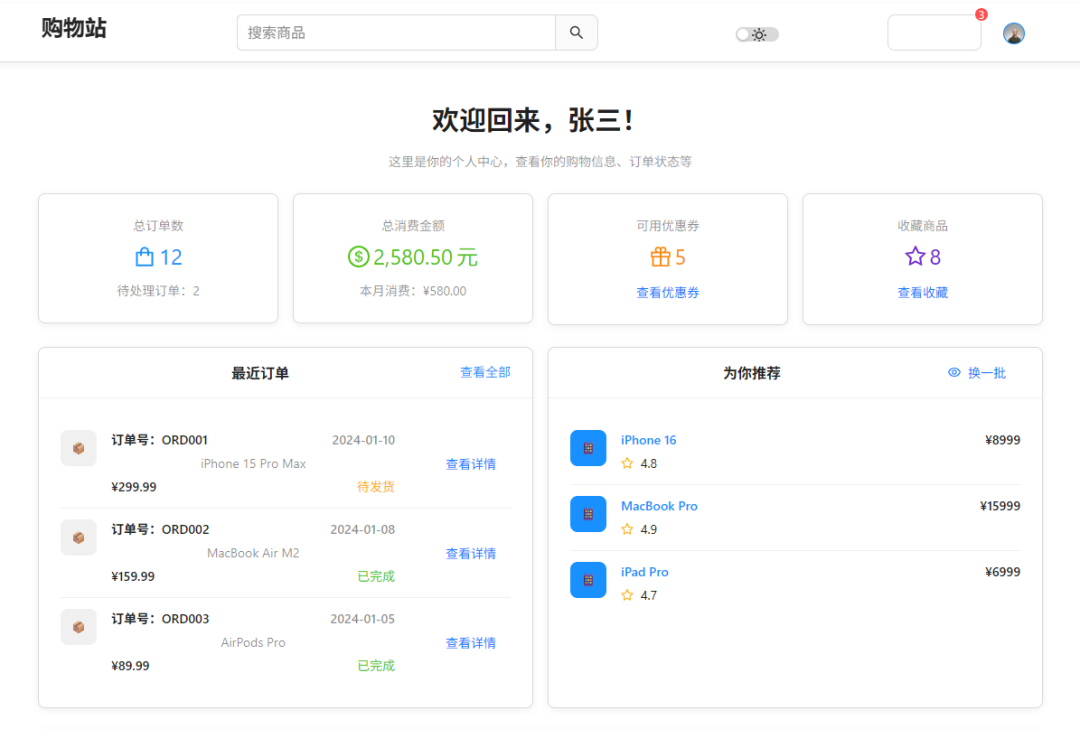
The overall experience can be described as excellent!
Review summary
When MiniMax M2's marketing came out, I personally didn't believe it, but after actually trying it, its intelligence really is about the same as Claude Sonnet 4.5, which matches the third-party ranking.
Bugs get fixed in one pass, which makes it very reassuring to use.
The last problem comes back to Trae: the service is slow, and the waiting time is fairly long.
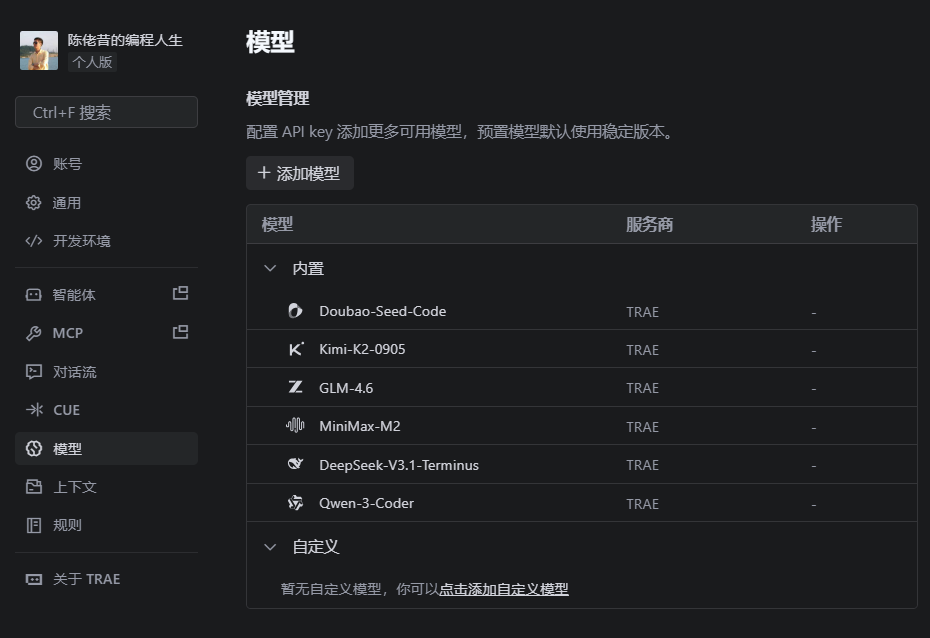
At that point, you can buy a third-party service and then configure it for use in Trae.
## Plan comparison
For now, Trae only supports choosing MiniMax M2 from SiliconFlow.
On pricing, SiliconFlow counts by the million tokens, while MiniMax official counts by number of prompts.
- SiliconFlow pricing: input: ¥2.1 / M Tokens, output: ¥8.4 / M Tokens.
- MiniMax official plans: Starter at 29 yuan/month, 40 prompts every 5 hours; Plus at 49 yuan/month, 100 prompts every 5 hours; Max at 119 yuan/month, 300 prompts every 5 hours
Obviously, for people who code, the official version's method of billing by input prompts is more cost-effective; SiliconFlow's plan is better suited to people who code occasionally or don't do high-intensity coding work.
So I still hope Trae and MiniMax official will get talking and work together soon!