From Closed-Source Fees to an Open-Source Substitute: OpenCode + Ollama Raid Claude Code
After OpenAI released GPT-3.5, it set off a rather unfortunate trend in the industry: a pivot to closed source and large-scale charging. Fortunately the open-source community has never stopped trying, and this time OpenCode + Ollama may be about to break down Claude Code's walls.
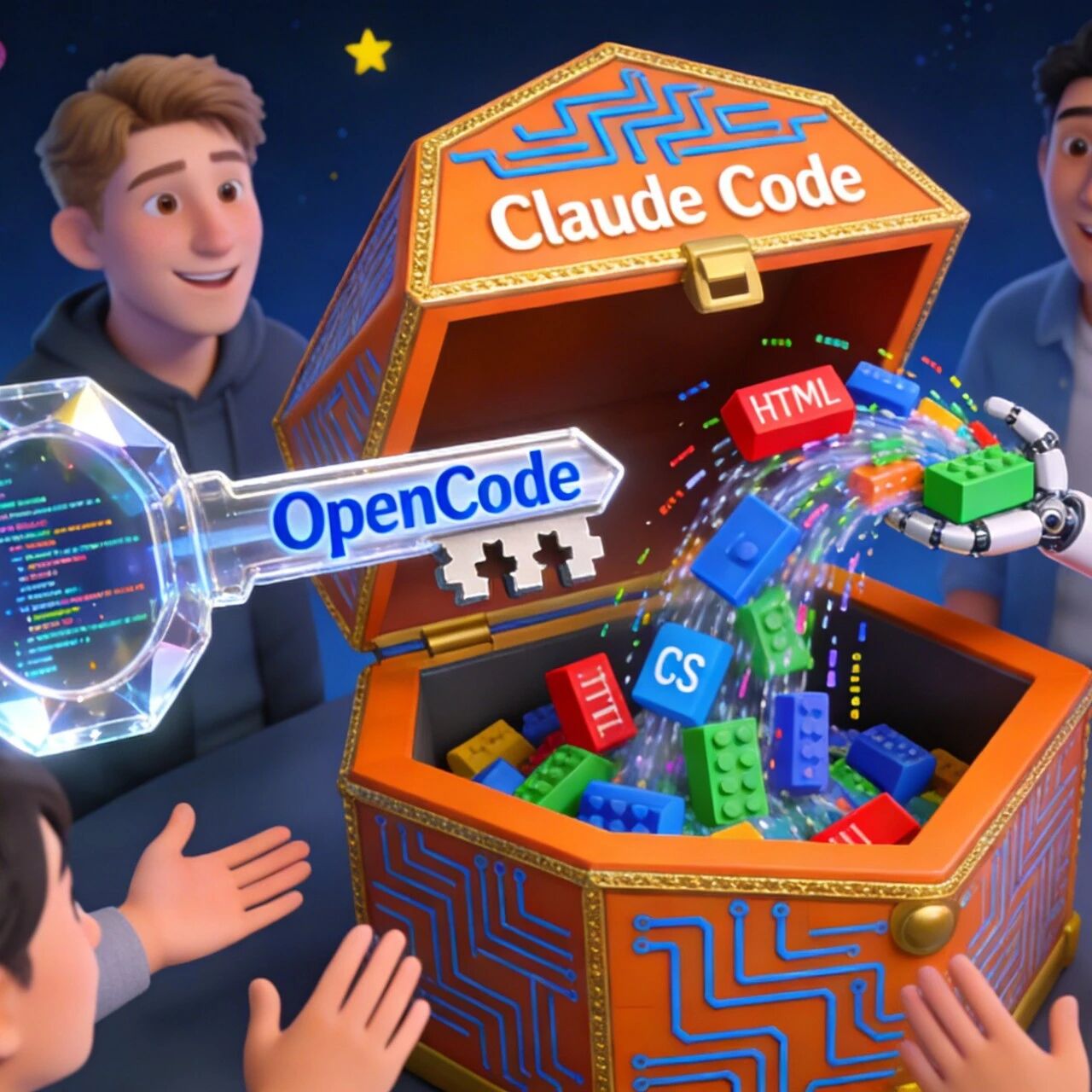
After OpenAI released GPT-3.5, it really did set off a rather bad trend in the industry — a pivot to closed source and large-scale charging.
From a business angle, of course, wanting to recoup costs after pouring in enormous R&D money is understandable. But it plainly goes against OpenAI's original purpose, which was named for "open artificial intelligence."
That shift even drew public mockery from former shareholder Elon Musk, who joked that OpenAI had become "CloseAI," needling it for turning its back on the open spirit.
How the open-source community responded, and the models that broke through
Meanwhile, the open-source community did not just sit by. It has been actively trying to break through these tech giants' technical blockades.
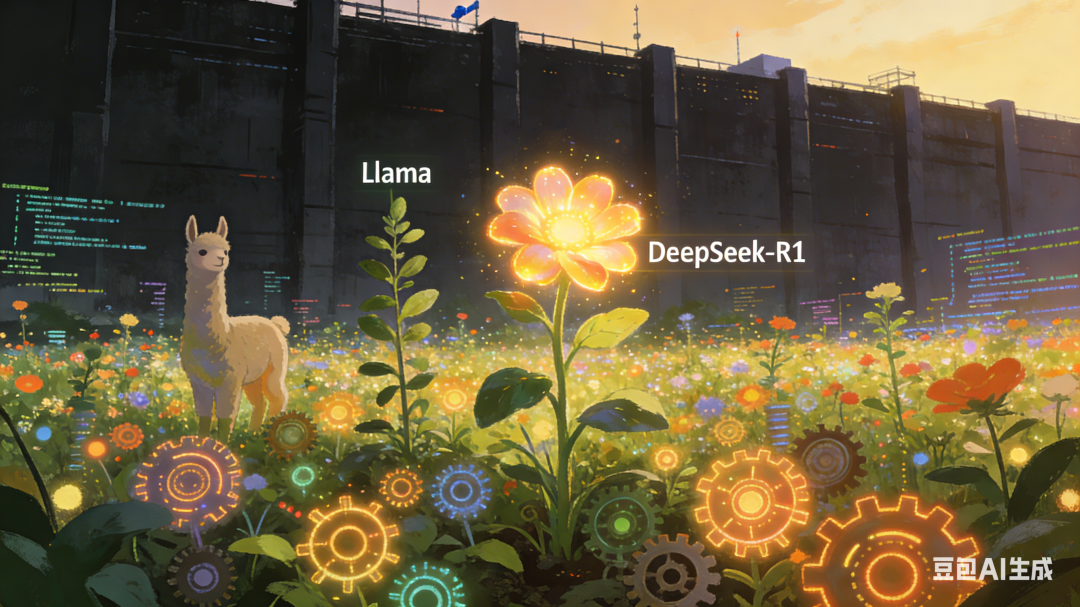
Led by the renowned AI scholar Yann LeCun, Meta released the Llama series of models together with a complete open-source ecosystem — toolchains, datasets, and community support. This brought the global open-source developer community back to life and formed a major force able to compete with closed-source models.
Last year, the DeepSeek R1 model was an instant hit. Through its innovative "chain of thought" technique it achieved a notable breakthrough in reasoning and generation quality, showing that open-source models can compete with top closed-source products at the core technology level.
The bind — and the opening — in coding tools
In the coding-tool space, Cursor has carved out a decent commercialization path with its smart coding assistant. But it is built on the open-source editor VS Code while choosing to be closed source and paid, a move that has upset many open-source community contributors.
Open-source alternatives claiming to replace Cursor keep appearing, but most projects either lack resources or deliver a poor experience, and in the end none has become a genuinely mature, usable product.
Luckily, Microsoft, as the maintainer of VS Code, has put out its own GitHub Copilot service, giving developers official AI coding assistance and relieving the tool shortage in the ecosystem to some extent.
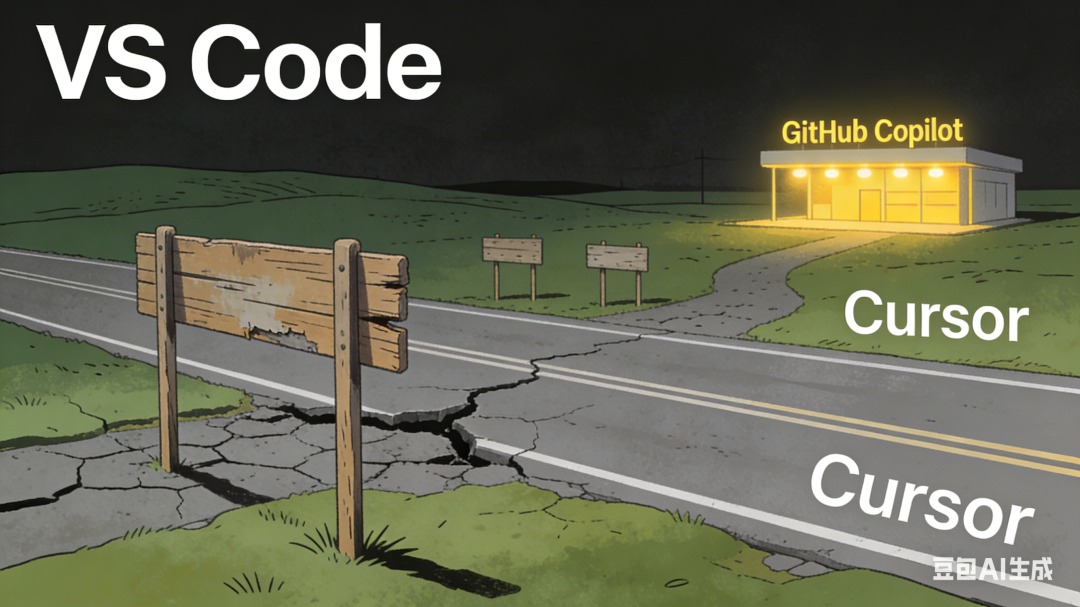
In the domestic market, the big internet companies, competing for developers, have rushed out free integrated development environments (IDEs) with built-in AI features. But these products are usually still built on closed-source or restricted foundations, and they remain a fair distance from the ideal of truly open, customizable, community-driven tooling.
So you could say that on the battleground of IDEs and coding tools, the open-source community's overall showing has not been pretty.
The key development: breakthroughs from OpenCode and Ollama
At the model-service layer, Anthropic's Claude Code quickly attracted a large user base with its smooth coding experience and strong context understanding. But the service strictly limits unofficial access channels and puts plenty of constraints on API calls, which has stirred widespread dissatisfaction in the developer community.
Fortunately, open-source substitutes like OpenCode have now appeared. It is fully compatible with Claude Code's interface protocol, feature set, and even usage flow, and it has already passed 78.7K stars on GitHub — a sign of the open-source community's strong approval and enthusiastic response.
Even more exciting: just yesterday, the popular local model runtime Ollama officially announced full compatibility with the Anthropic Claude Code API. This marks a key step forward for the open-source AI ecosystem in code generation and coding assistance.
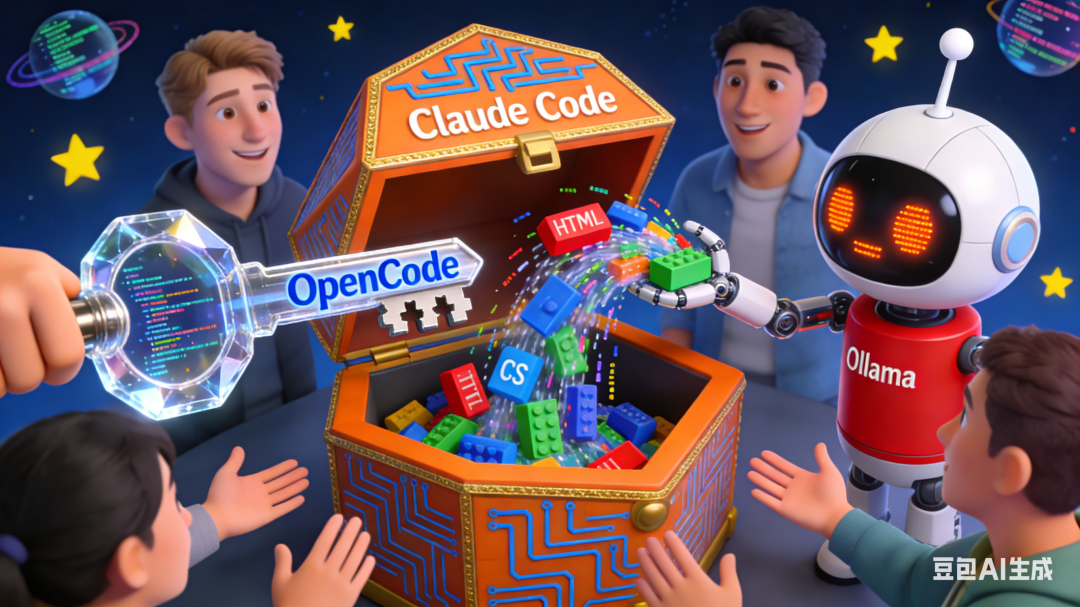
This means that as long as users have sufficiently capable hardware — a desktop or server with a high-performance GPU, say — they can deploy a complete AI coding solution themselves, combining excellent open-source models like MiniMax and GLM with the OpenCode tool. That closes the full loop from model selection to local inference to application integration.
The open-source spirit, and the future
This progress once again makes us feel the open-source community's tenacious, agile, and wildly creative vitality.
It is exactly this spirit of open collaboration and rapid iteration that keeps pushing technology toward openness, shared benefit, and win-win outcomes. Open source not only lowers the barrier to advanced technology, it also forms a virtuous cycle through community contributions — every adaptation, every tool, every line of code empowers a wider group of developers, so that innovation is no longer confined to a handful of large companies but truly becomes a public resource anyone can join and share.
Still, I hope the world of ours becomes an open one again. Let's keep working on open source!

The road may be long, but every compatibility fix, every integration, every community contribution makes technology more equal, more transparent, and more full of life.