WeChat and Alibaba Apps Refuse Doubao AI Phone Logins — and Privacy Is Only Part of It
Recently the Doubao AI phone arrived, and WeChat and apps across the Alibaba ecosystem all refused to let it log in. Beyond privacy, what else is behind it?

You've probably already guessed: the ecosystem.
The big Chinese internet companies are all staking out territory, each hoping users will stay inside its own ecosystem and never leave.
As a content creator, you may have noticed something interesting: the platforms guard against each other pretty tightly. If you mention your account on another platform in your bio, for instance — even just a line saying "same handle everywhere" — the review may well not let it through.
For developers, the feeling is even stronger.
In this respect WeChat is a model student: it has built the walls of its own garden high and tight, terrified that some uninvited guest might drop by.
Content from Official Accounts and Channels is basically unsearchable on outside search engines.
From a technical point of view, the HTML tags of Official Account articles are interesting too: both the title and the body use <div>, there's almost no semantic markup, and SEO optimization is essentially zero (which may partly explain why WeChat's built-in search sometimes isn't much cop).
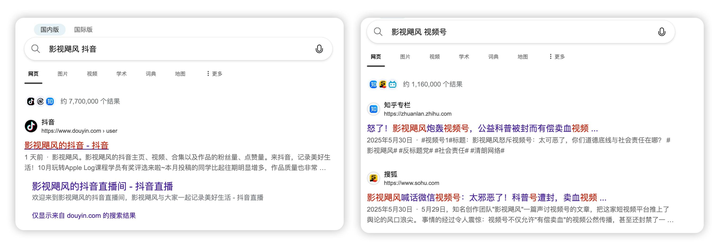
Compare: search engines can find Douyin, but not content from Channels or Official Accounts
Trying to build any automation inside WeChat — setting up auto-replies for friends, say, or sending yourself a scheduled message — is quite a challenge. That gives people running community operations a headache as well. Even when they pay for third-party tools, they always worry that one day the features will suddenly stop working.

Third-party bots on Taobao
What's funnier is that even WeChat and WeCom, that pair of close brothers, have a somewhat delicate internal relationship; which features should live on which side sometimes has to be haggled over for a long time. And it wasn't until this year that Service Account message pushes were distinguished a bit more clearly from Official Accounts.
So when we look back at the AI story, it isn't so surprising that the major platforms all decided to "refuse" or "ban" the Doubao phone from logging in.
If this were a feature launched by an ordinary phone maker, it probably wouldn't have caused much of a stir.
But ByteDance is standing behind Doubao, and that makes all the difference!
A few years ago, ByteDance used Douyin to give those old-guard internet companies a proper lesson, showing everyone the power of short video.
After that, everyone scrambled to stuff video features into their own apps, as if overnight an app that couldn't do video was no good app at all. Several teams inside Tencent tried for years, and only with WeChat Channels did the company finally get a real foothold.
The one that makes you smile most is probably Alipay — a payment tool that now opens onto a dazzling array of features, video section included, so that you occasionally lose track of which app you actually opened.
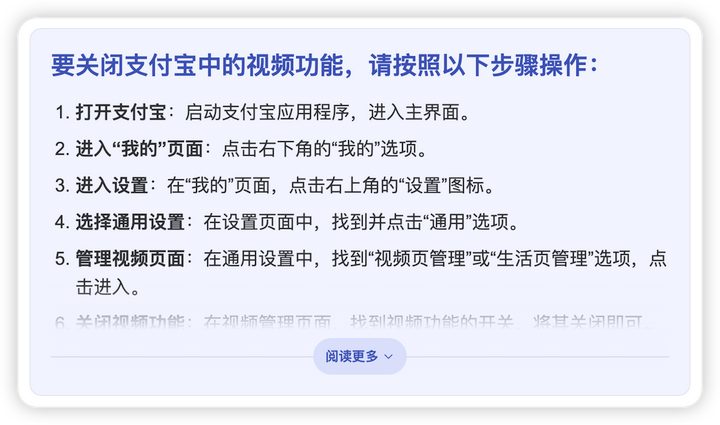
If you haven't turned off Alipay video yet, you can give it a try
We finally make it to 2025. Everyone has barely caught their breath on the video battlefield, and the AI wave comes surging in again.
This time, who wouldn't be nervous?
Imagine that an AI assistant like Doubao could plug seamlessly into every platform. Wouldn't the walls these companies worked so hard to build, and the user ecosystems they've cultivated, run the risk of being seen right through with one click? Put that way, the platforms' reaction of "shut the door, and fast" is a bit exasperating, but it does seem to make sense.