Weekly Notes 08 | Learn Slowly Enough and You Won't Need to Learn—Yet Still Become an Expert
DeepSeek shipped this week, context is no longer a problem, and there's one less thing you need to learn. If you want to put AI to work in everyday office tasks, don't rush to OpenClaw and Hermes—a tool that simply fits the way you work will come along eventually!
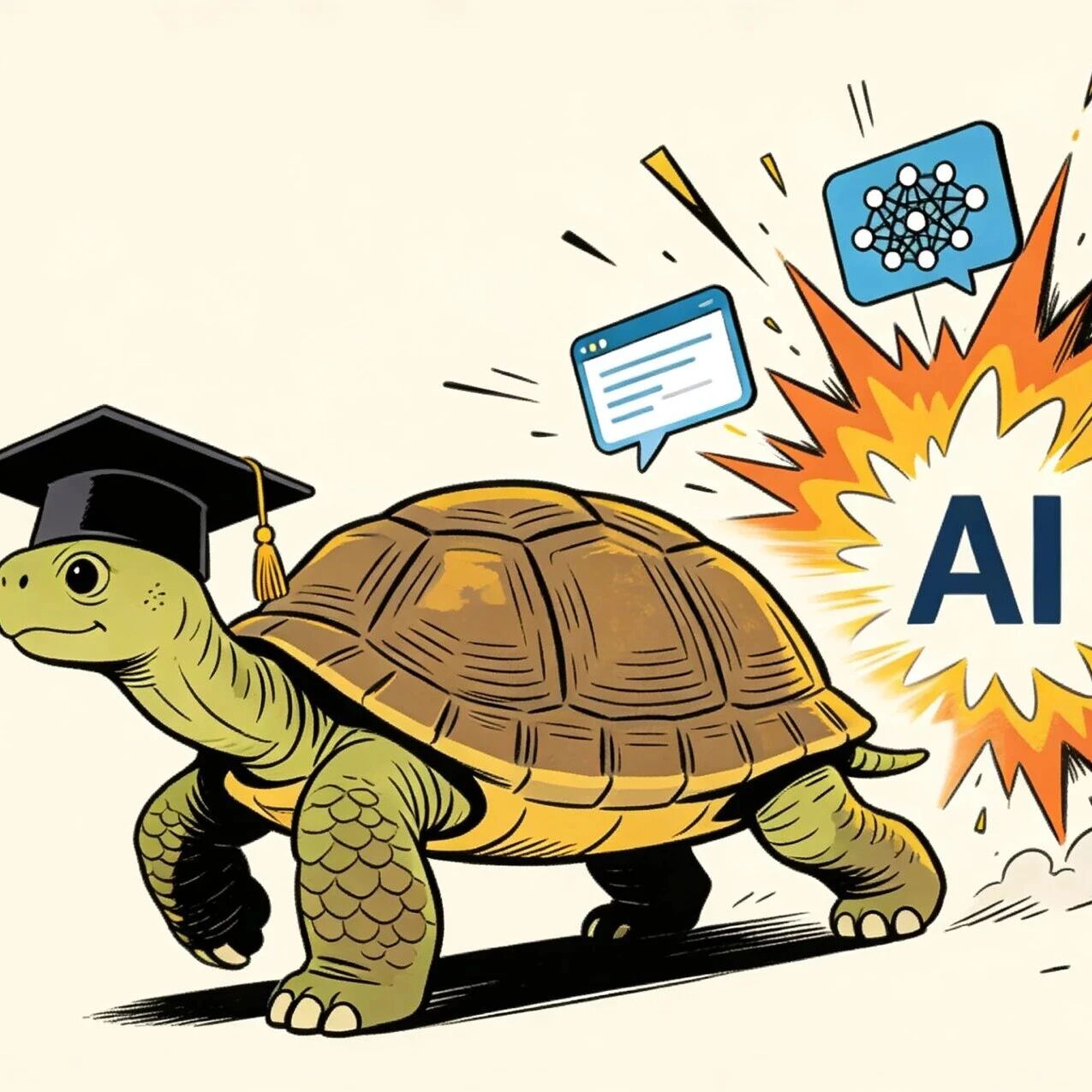
This week the AI world shipped two heavyweight updates in a single day: DeepSeek and GPT Image 2. Unsurprisingly, both are a big step up from the previous models.
GPT Image 2 needs only one sentence to produce a livestream graphic or a poster design, and its fake screenshots are startlingly convincing; DeepSeek needs only one sentence to do full-stack development. More importantly, DeepSeek's context length reaches 1M.
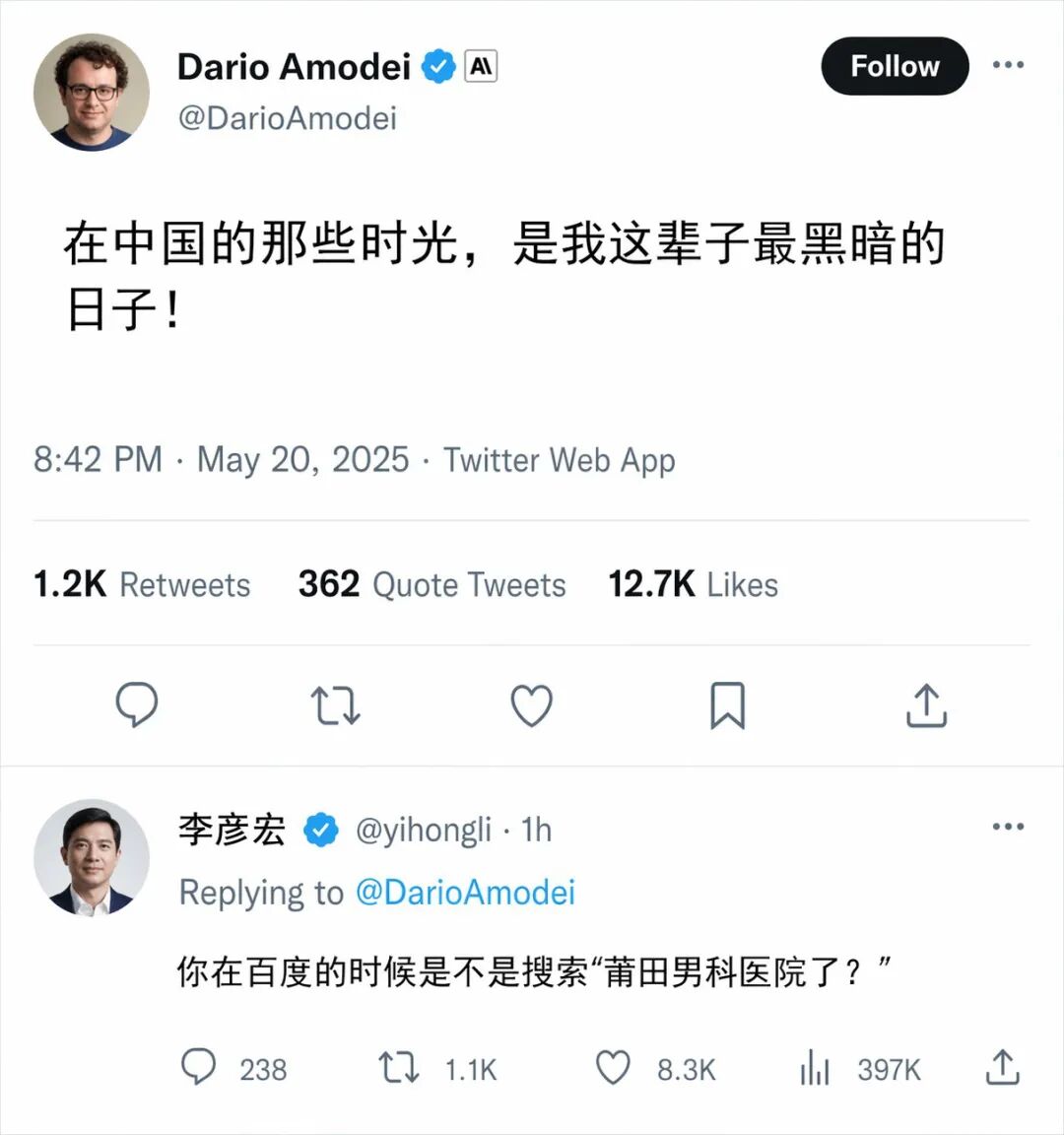
You could say one-sentence prompts have solved the prompt-engineering problem of two years ago, and long context has solved last year's context-engineering problem.
So starting today, you basically don't need to study prompt engineering or context engineering anymore.
That saying really does hold: if you learn slowly enough, you don't need to learn.
Frontend development was in a similar state a few years back—concepts and frameworks kept multiplying, and the stack you picked changed every year. Today only React and Vue are left, and for build tools basically only Vite.
If you were learning frontend now, learning just these would be enough—what a happy thing.
Lately, browsing Zhihu, I keep seeing people ask: my company wants to do AI enablement, but as an employee or the person in charge I have no idea where to start—I don't even know what to learn first.
As a programmer, I understand that feeling very well. Three years ago, when AI coding was just taking off, I used AI nervously too, frustrated that I never got the answer I wanted.
Earlier this year, after Claude Cowork launched, it was clear the big labs wanted to push AI's use cases from coding into everyday office work. At the time it was all still early stage.
What came next was a bit unexpected—the arrival of "Lobster," OpenClaw, set off a wave of traffic and got many more people noticing the trend.
That's both good and bad.
The good part is that everyone finally realizes AI can land in real scenarios; the bad part is that it doesn't happen overnight.
Many bosses and managers see only a small slice of someone else's demo and imagine they can spend three to five days tuning an AI that actually does work; or, at worst, mobilize everyone for a month or two and land AI in the real business, delivering results that "boost productivity by dozens of percentage points."
After trying OpenClaw I tried Hermes, and nowadays both "toys" mostly sit idle.

Some people may object to calling them "toys," but ask around on the major forums and in AI group chats and you'll see that most people's mindset really is "playing." Did the playing produce any results? Doesn't look like it.
I've talked before about why some big influencers get real results. Beyond having a technical background and knowing how to debug AI, they usually have a whole team behind them—dedicated programmers debugging for them and optimizing around specific scenarios—so naturally it's easier for them to put on a better show.
But for the rest of us ordinary people, it's much harder.
As a programmer, beyond using AI to assist with coding, I also use it for simple tasks like image recognition or filling out expense forms, but those make up a tiny share of the work.
I taught a colleague in the office to use AI for data analysis. They thought it was neat, but said the use cases were too limited, and they weren't in the habit of opening a dedicated piece of software just for that. For them, AI tools are basically idle right now too.
That's the reality right now, plainly stated.
So we should accept these changes with an open mind, and at the same time look at this over the long term. The better approach: check in on AI's progress once every one to three months, and try handing one or two tasks over to AI again.
Maybe by the end of the year a tool will finally show up that really catches your eye and genuinely changes your workflow. Keep that rhythm and you'll probably become an expert at AI office work too.