Thinking, Fast and Slow: The Intellectual Origin of DeepSeek R1
Thinking, Fast and Slow proposes that the human brain has two modes of thought: System 1 (fast, intuitive thinking) and System 2 (slow, rational thinking). That idea has triggered recent developments in AI. At the same time, the book is a rare work of economics, psychology, and brain science that is genuinely easy to understand.

I'm sure everyone has been struck by deepseek's Deep Think (R1) lately.
Once you select R1, deepseek lays out its entire thinking process on the question, then produces the result based on that thinking. This noticeably raises the depth of ordinary answers, as well as accuracy on math and programming tasks.

This technique, known as a chain of thought, has been widely applied in this generation of models. Other large language models have recently rolled out deep research features too, letting LLMs handle more complex tasks.
The book I'm recommending today, Thinking, Fast and Slow, is precisely the intellectual origin of the chain-of-thought technique.

In the book, Daniel Kahneman proposes that the human brain has two modes of thought: System 1 (fast, intuitive thinking) and System 2 (slow, rational thinking). The former is fast, automatic, and low-energy, handling everyday decisions; the latter is slow, requires focus, and is high-energy, handling complex reasoning. This theory has found a striking mapping in AI:
- Fast-thinking AI: represented by GPT-4o, good at instant responses to simple questions (weather forecasts, small talk), relying on pattern matching over pretraining data.
- Slow-thinking AI: such as OpenAI's o1 and DeepSeek-R1, which simulate human deep reasoning through a chain of thought (Chain-of-Thought, CoT) and reinforcement learning (RL) to solve highly complex tasks like mathematical proofs and code generation.
Although this is a work of psychology, it is more often revered as a classic in economics.
Because Daniel Kahneman won the Nobel Prize in Economics for his research on decision-making.
Most of the theories put forward by standard economic theory assume the existence of a "rational person" and build their deductions and predictions of economic activity on that. Daniel Kahneman, however, showed what actually happens when a person makes a decision — often behaving in ways completely opposite to what the theory predicts.
His discovery inspired a new generation of economics researchers to apply insights from cognitive psychology to economics, enriching economic theory.
As we see it today, the book has also become essential reading in brain science.
In the book, Kahneman draws on a large number of psychological experiments to show how fast thinking and slow thinking interact during decision-making. Concepts mentioned in the book, such as "mental accounting," actually reflect the information-processing mechanisms of different regions of the brain. This interdisciplinary approach offers a whole new perspective for understanding our brains and even human cognition.
At the same time, this is not a profound, dry book. Its many everyday examples are plain and easy to follow, and reading it gives you that sudden sense of clarity.
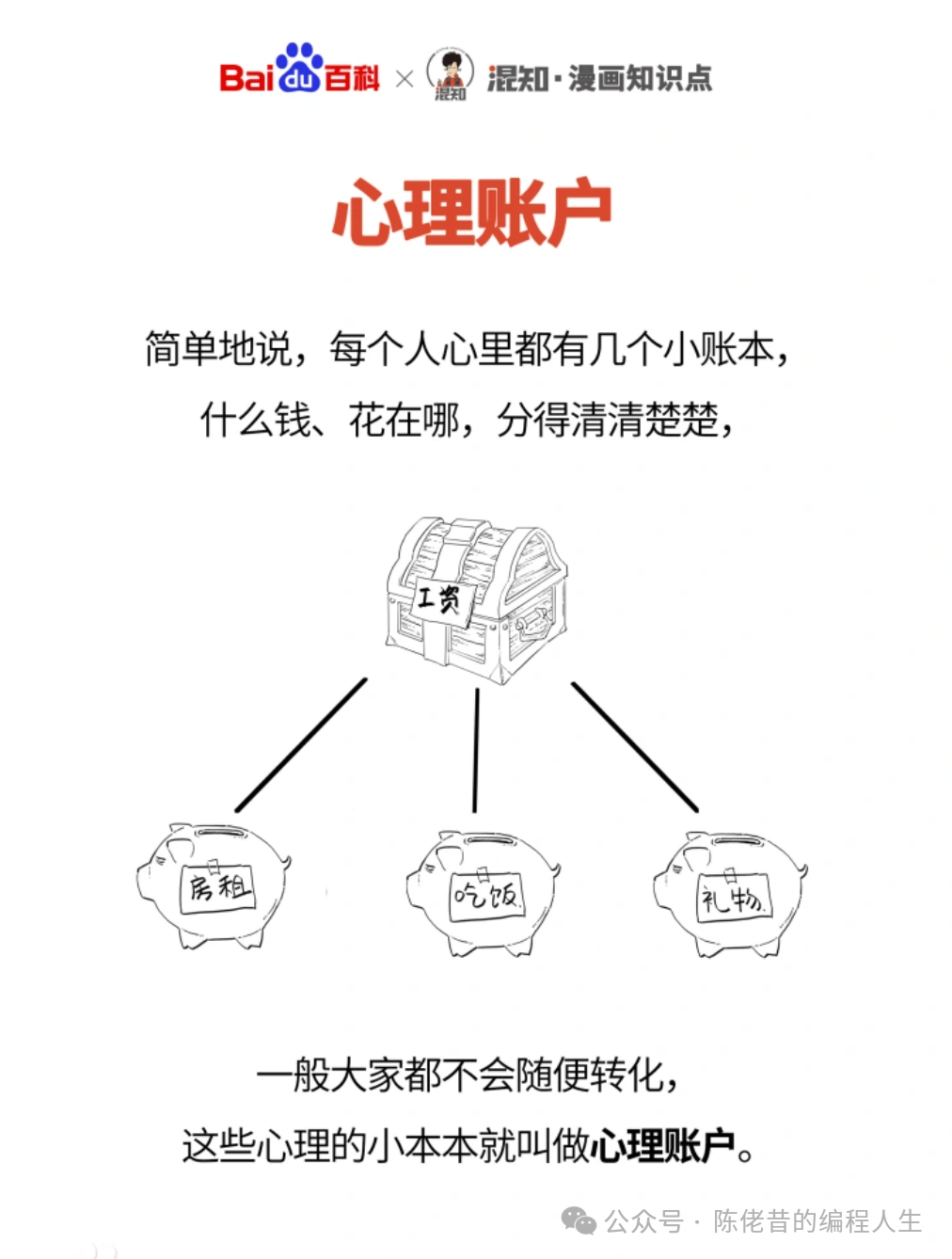
Making good use of the "mental accounting" concept from the book can better guide an individual toward rational decisions.
Here's an example:
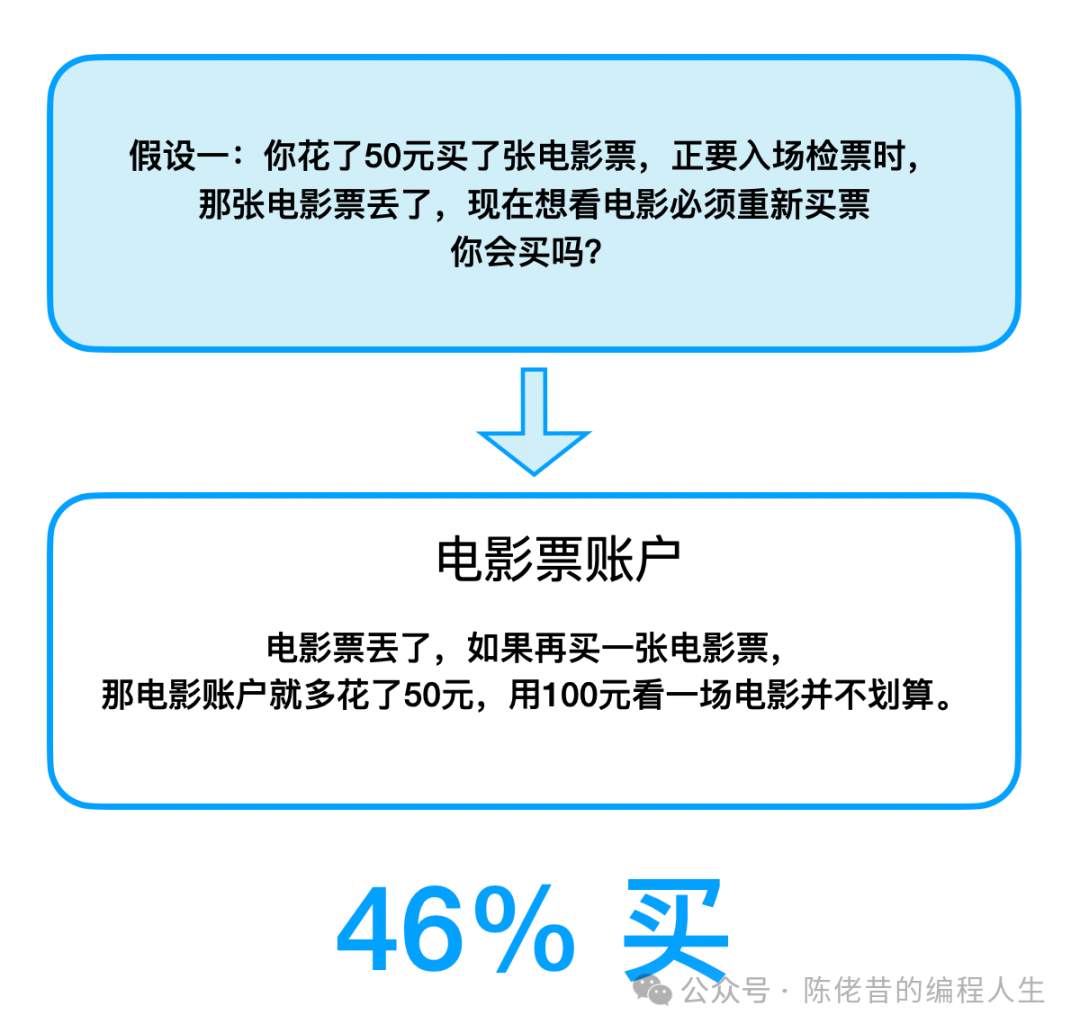
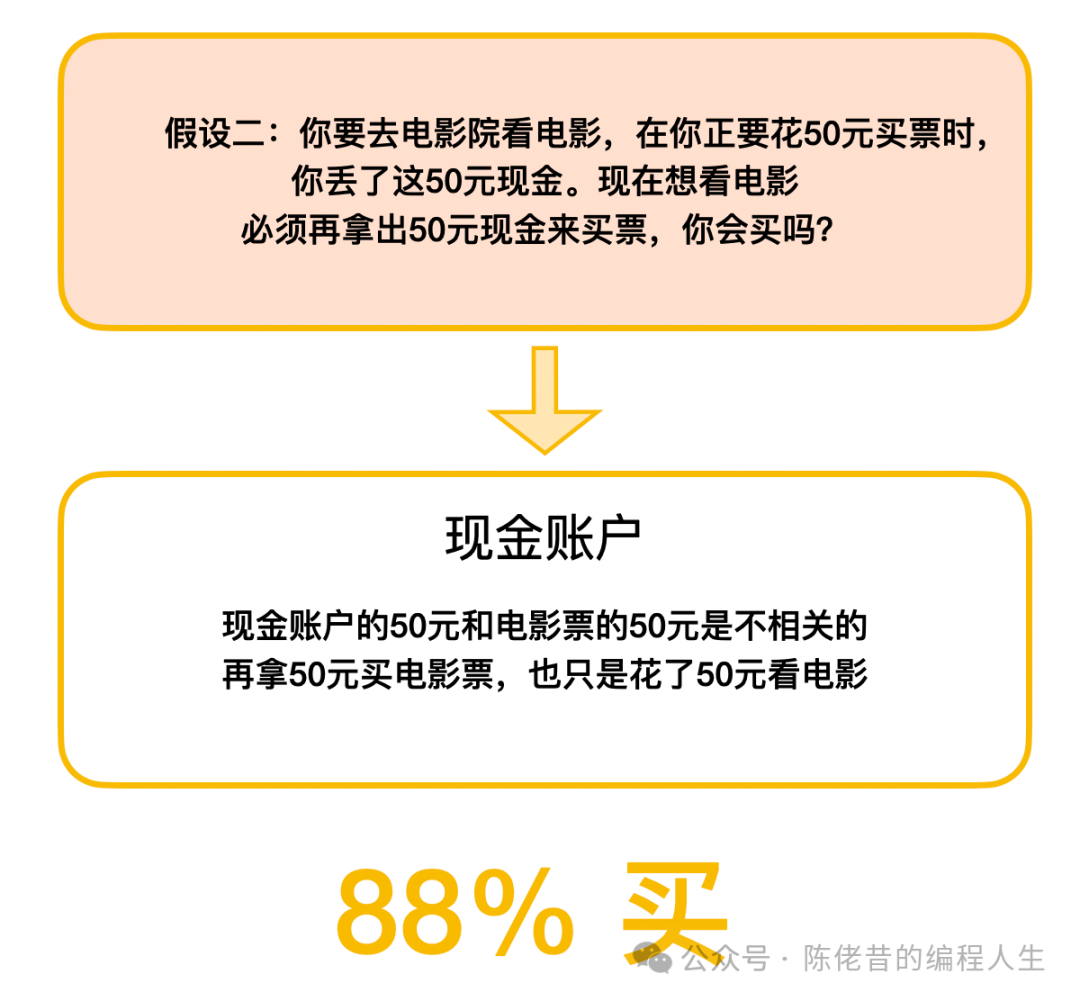
As you can see, the same amount of money produces quite different results in real-world scenarios.
In short, beyond understanding where slow-thinking AI's ideas come from, if you want to understand yourself better in terms of psychology and brain science, or make better decisions in your everyday economic life, you can read this book. It will be a good helper in our lives.