Laziness Is the Highest Virtue a Programmer Can Have
Some people take pride in writing 37,000 lines of code a day; someone else built DTrace in 60,000. In the LLM era, "laziness" — a programmer's highest virtue — is being lost, and that is exactly what makes it so dangerous.
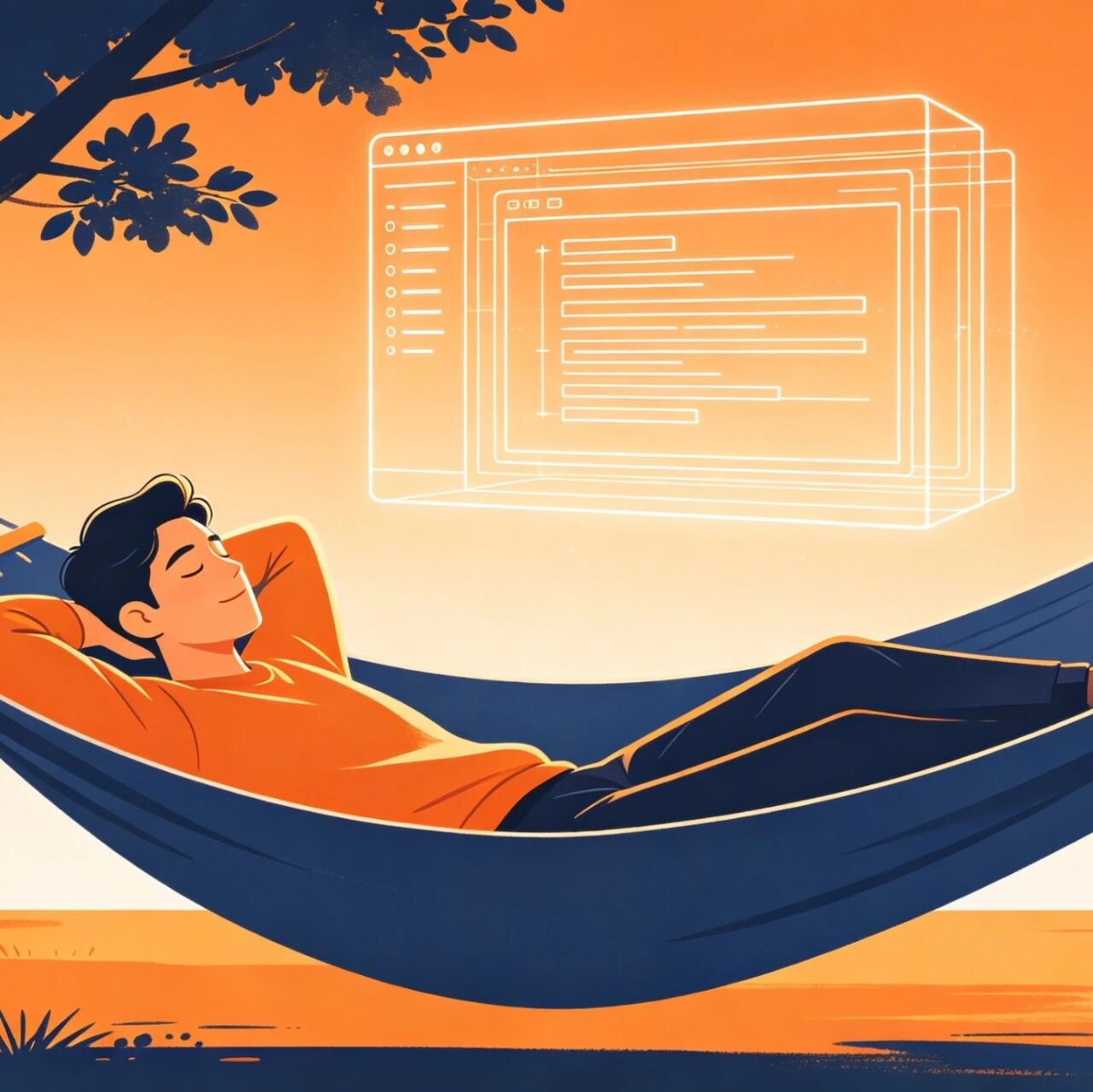
Original: The peril of laziness lost
Author: Bryan Cantrill
Published: April 12, 2026
Translation: OpenWork
https://bcantrill.dtrace.org/2026/04/12/the-peril-of-laziness-lost/
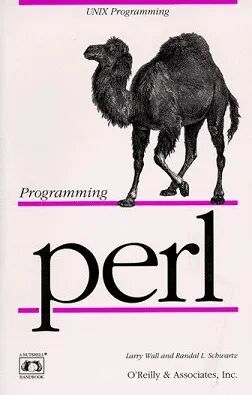
In Larry Wall's classic Programming Perl (known fondly to a generation of engineers as "the Camel Book"), he lays out the three great virtues of a programmer: Laziness, Impatience, and Hubris:
Since we're going to talk about good software design, we have to talk about laziness, impatience, and hubris, for they are the foundation of good software design.
We have all fallen into the trap of choosing copy-paste when we should have defined a higher-level abstraction — even if it was just a loop or a subroutine.
Naturally, some people go to the other extreme, piling up more and more high-level abstractions when copy-paste was what they actually needed. But by and large, most of us really do need to think more about how we use abstractions, rather than the reverse.
Of these three virtues, I have always thought laziness is the most profound: behind its half-joking self-deprecation lies not only a comment on the necessity of abstraction, but a discussion of the aesthetics of abstraction.
Laziness drives us to make systems as simple as possible (but no simpler!), to develop those powerful abstractions that then let us do more with less effort.
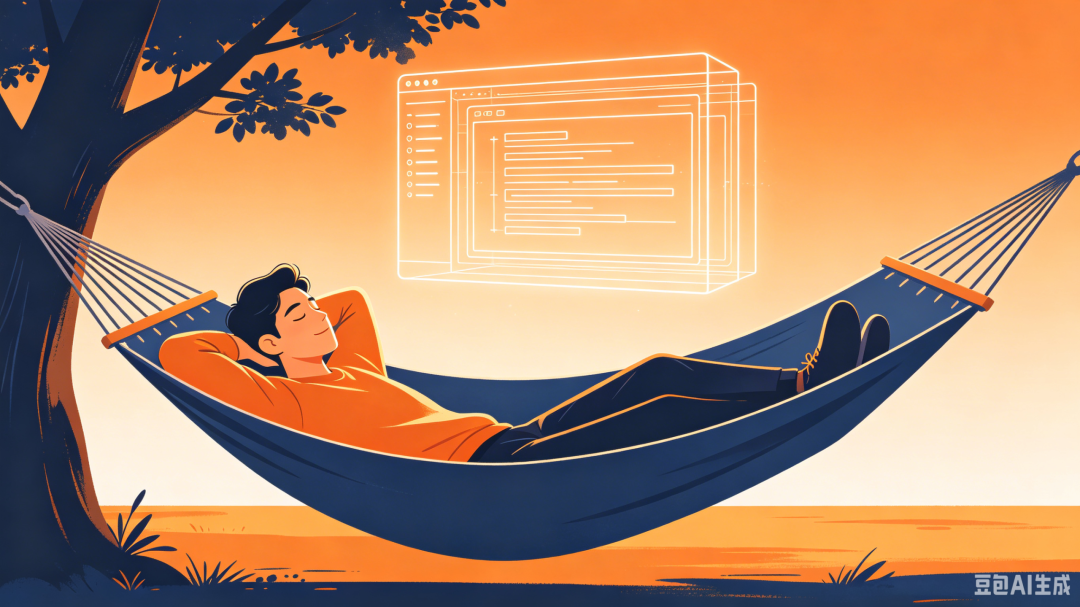
The implicit bargain, of course, is that being lazy actually requires a great deal of effort.
When a programmer sinks into the seemingly lazy state of "hammock-driven development," what we are really doing is turning the problem over and over in our heads.
We take on this difficult intellectual labor to develop abstractions partly in order to optimize the (hypothetical) time of our future selves, even at the expense of our present selves. When that trade-off is calculated correctly, the effect is glorious: the abstraction serves not only us but everyone who comes after.
In other words, our laziness makes software easier to write, makes systems easier to compose, and lets more people write more software.
Ideally, the people who benefit from an abstraction should pass the virtue of laziness along, using their newly acquired power to polish the abstractions they themselves create. But over the past two decades the breadth of software creation has kept expanding, and one consequence is that more and more people have joined in who would not readily call themselves "programmers" — and for them, the virtue of laziness has lost its original meaning.
Worse still, the extraordinary productivity of modern abstractions has bred a kind of counterfeit diligence. In the pejorative sense, this is the rise of the brogrammer: irony-laden laziness and hammock-driven development replaced by talk of "coding like crazy."
Onto this pile of dry kindling, the LLM (large language model) strikes like lightning. Whatever attitude a person holds toward software creation, an LLM lets that attitude be carried out with (far greater) force. So it is no surprise that the LLM has become the tech steroid of the brogrammer class.
Intoxicated by their newfound power, these people simply cannot stop talking. The famous brogrammer Garry Tan, for instance, boasts about his LLM "track record" with particular insufferability, bragging that he writes 37,000 lines of code a day (and is "still accelerating"):
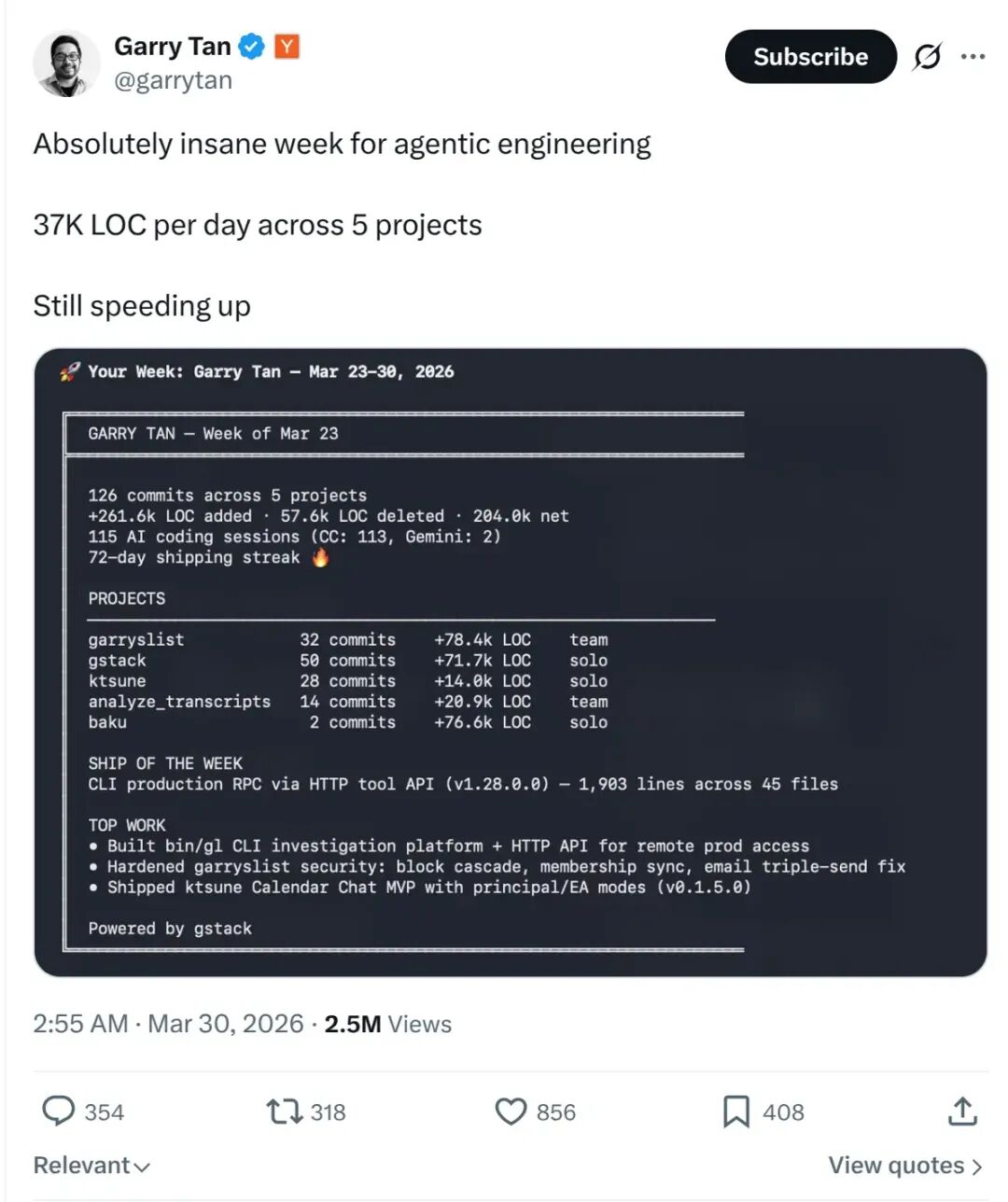
(For comparison, the entire DTrace operating system is on the order of 60K+ lines of code [1].)
If laziness is a virtue in a programmer, then thinking about software this way is plainly a vice. It is as absurd as judging literature by weight, and even a novice programmer can see the fallacy in it.
As for what Tan was actually building with such frantic energy, I basically didn't care.
But then the Polish software engineer Gregorein took it apart, and the result was at once predictable, hilarious, and instructive: a single load of Tan's "newsletter-blog-thingy" contained multiple test scaffolds, Hello World Rails apps, a text editor smuggled in there, and eight different variations of the same logo, one of which was zero bytes.
The problem is not these bugs themselves (they are all fixable!), nor even the idea that the methodology that produced them represents the future of software engineering (though that is genuinely infuriating!).
The problem is that LLMs inherently lack the virtue of laziness.
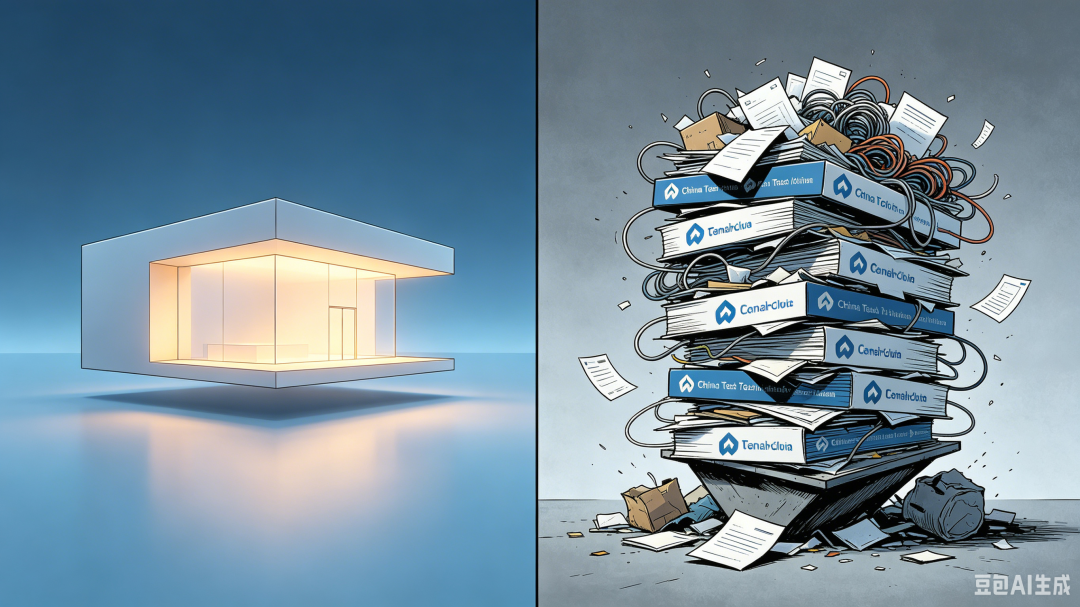
To an LLM, work costs nothing. An LLM never feels the need to optimize for its own future time (or anyone else's); it will cheerfully stack more and more garbage on top, layer after layer. Left unconstrained, an LLM will make a system bigger rather than better — perhaps satisfying some distorted vanity metric, but at the cost of everything that actually matters.
LLMs therefore throw into relief just how indispensable our human laziness is: our finite time forces us to develop clean abstractions, partly because we do not want to waste (human) time on the consequences of clumsy ones.
The best engineering is always born of constraint, and our time constraint sets an upper bound on the cognitive load we are willing to accept in a system. This is exactly the force that drives us to make systems simpler, despite their inherent complexity.
As I argued in my talk "The Complexity of Simplicity" [2], this is arduous work, and we cannot expect an LLM that is unconstrained by time or load to take it on voluntarily.
None of this is to say that LLMs won't play an important role in our future: they are extraordinary tools for software engineering, but as we set out in Oxide's guide to using LLMs [3], they are only a tool.
We can use them to handle the unironic (and unvirtuous) aspects of programmer laziness, helping us tackle thorny problems like technical debt, or use them to raise our engineering rigor [4] — but this must serve our own virtuous laziness: building a simpler, more powerful system that serves not only us but generations of software engineers to come.
Links referenced in this post:
[1] The original source for DTrace's 60K+ lines of code: (https://bcantrill.dtrace.org/2008/09/03/happy-5th-birthday-dtrace/houston.txt)
[2] "The Complexity of Simplicity" (https://www.youtube.com/watch?v=Cum5uN2634o)
[3] Oxide's guide to using LLMs (https://rfd.shared.oxide.computer/rfd/0576#_llms_as_programmers)
[4] Using them to raise our engineering rigor (https://oxide-and-friends.transistor.fm/episodes/engineering-rigor-in-the-llm-age)