Goodbye 2024: Autumn Maples, Spring Cherry Blossoms, Summer Seas, and Money
Maybe everything has an expiration date. After 17 years of working, I left the track most people walk. The future is unknown, but the future has already arrived. Stopping and going, embracing AI.
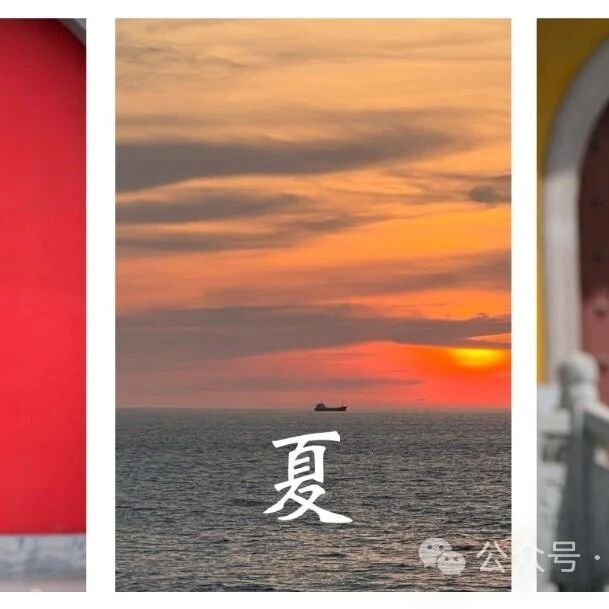

Maybe everything has an expiration date.
The first 7 years of life are childhood, followed by 17 years of student life (one year of retaking the college entrance exam). At university, besides coping with the coursework itself, I spent half my time messing around with music and half day-trading stocks, full of anticipation for the end of student life.
Then I entered the workforce — and by this year, that's been 17 years too.
Working and studying really are very alike. At school it was elementary, middle, university — leveling up the whole way; at work it was a small company, a medium company, then a big company — grinding the whole way. Two points and one line every day, year after year, day after day.
Because my father was a state-owned enterprise employee, I've been afraid of the collective life of big companies since childhood. Yet after struggling my way into a big company and enjoying better benefits, I discovered that big-company life actually suits the general public better.
But after the thrashing of the previous few years, I'd already burned too much energy, and after joining the big company I lacked the drive to push forward. At a small company, you can become a minor manager in 3-5 years. At a big company, 3 years is only just enough to understand the various aspects of the company and be able to coordinate resources to complete one small project. At a big company you need to spend more time and energy handling things beyond the actual work.
At the big company the days slipped by, and I found I hadn't really improved.
So — coincidentally, also 17 years — the final day finally arrived.
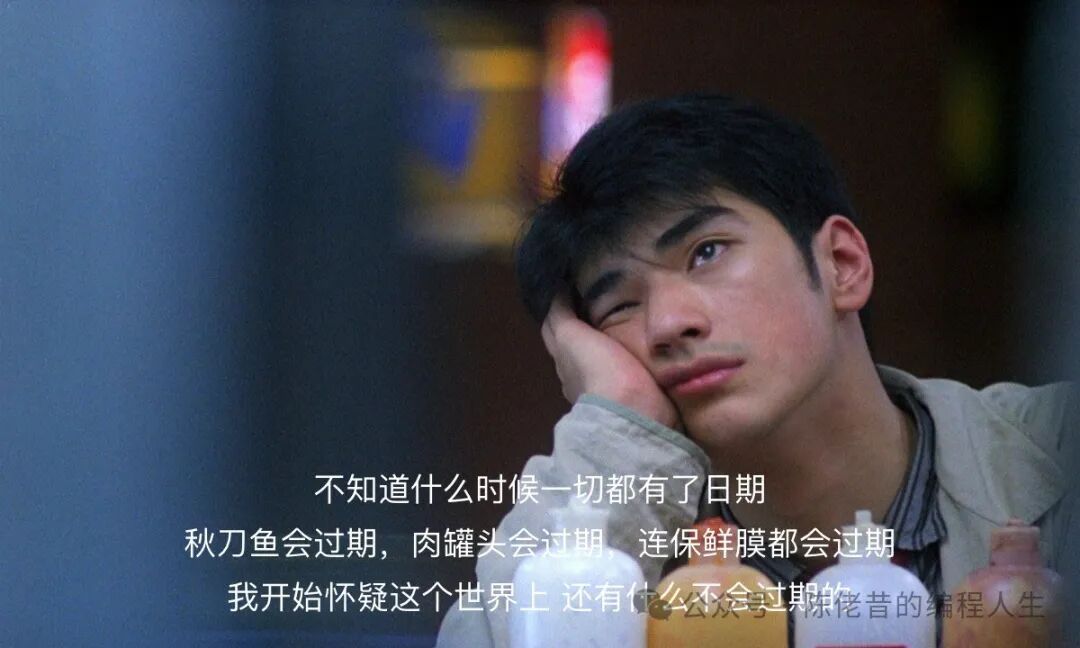
Because I gave myself a C, I was awarded a layoff, and formally left the track most people walk.
In university I had nothing to do, and those four years really were the most comfortable time of my life. Now I have nothing to do again. Not bad.
## Travel
Nothing to do, so I found something to do. Besides wandering around the province, I also traveled out of the province.
In spring, I went to Wuhan to see the cherry blossoms; in autumn, to Nanjing to see the maple forest. In summer I did a road trip around Hainan island. Between spring and summer, I also went to Ningbo, a coastal city just like Shenzhen.
China's urbanization really is good — living in any city isn't all that different, only the scenery and culture here and there differ slightly.
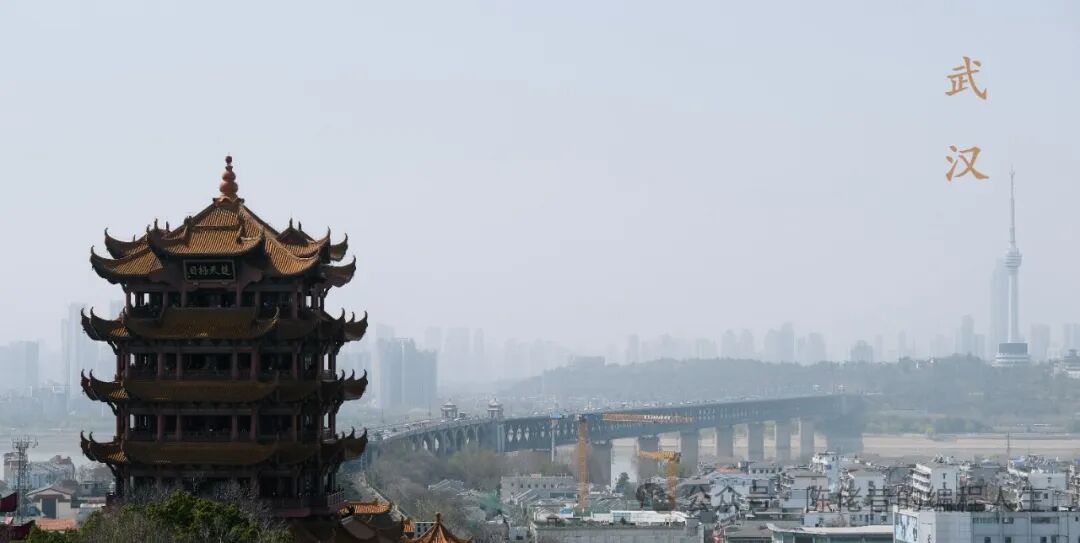
In Wuhan, what you admire is the cherry blossoms that symbolize China-Japan friendship, and also its long history. The plains stretch endlessly; the buildings are all taller than the hills; Yellow Crane Tower and the Yangtze River Bridge are wedged among the high-rises without looking out of place. Here there are relics from the Spring and Autumn and Warring States periods, 800 years of Chu culture and history, and also an Optics Valley as new as Shenzhen's.

Nanjing, besides the red maple forest I'd been longing for, has the charm of a six-dynasty ancient capital. Saw the maple leaves, saw the four hundred and eighty temples of the Southern Dynasties, then went to see the museums. As a Cantonese who grew up in a cultural desert, by the third day in the museums my stock of historical knowledge had run out. In the end I also couldn't forget to go pay respects at the Sun Yat-sen Mausoleum to a great man of modern times.
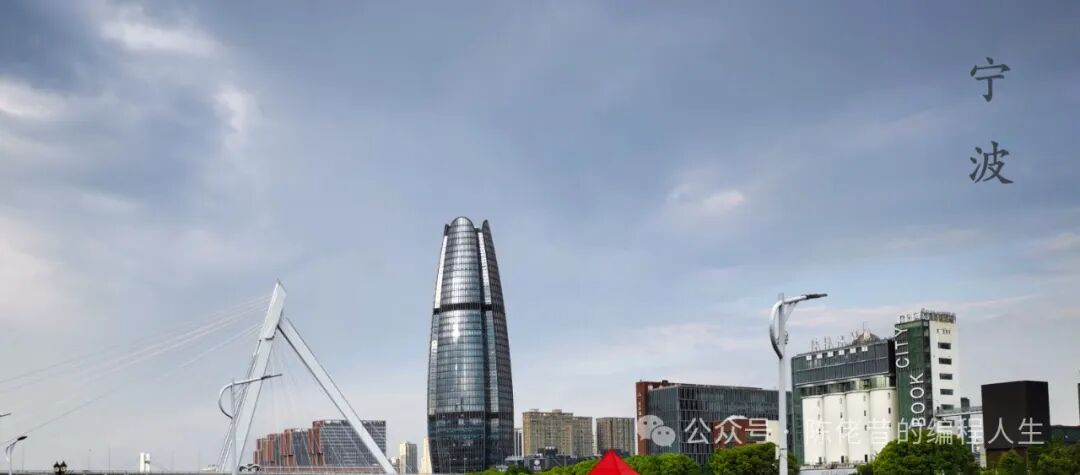
Ningbo is like a short version of Shenzhen — fewer skyscrapers, but no shortage of developed urban commerce, no shortage of fresh, sweet seafood, and no shortage of comfortable, lazy seaside. It also has China's largest private library, and it's the starting point of Xu Xiake's travels.
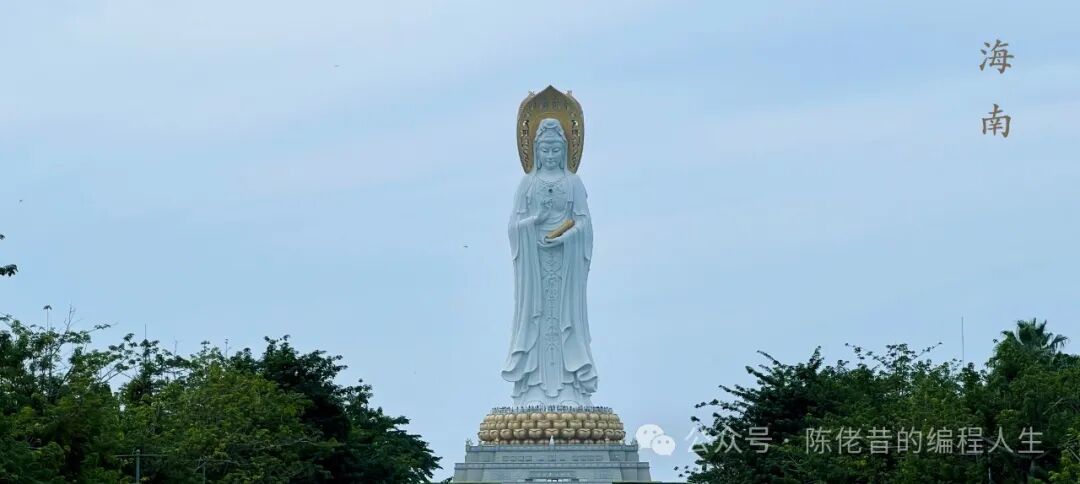
As for Hainan, familiar yet strange. It is indeed far from the mainland; apart from traces of Lady Xian and Su Dongpo, there aren't many stories of earlier generations. Lying flat here is also an option. I more or less understand why people from all over the country like going to Hainan.
I have no plan to travel the whole country. As a middle-aged person, I've started looking inward — I don't really need external stimulation to relax, or to achieve some goal.
Will I set off again next year? Of course that depends on money.
## Money
Money is the main problem — especially for someone who has lost their salary income.
On investing, I misjudged this year: I cleared out my Nasdaq index ETF too early, then at the end of September joined the A-share lightning bull market, but didn't get out intact. In the stock market I can only claim a small profit. After leaving my job I also forgot that "wealth doesn't enter hurried doors" and went off to trade futures, where I ended up losing quite a bit.
The highest return rate was actually crypto. That money came from participating in a newly issued coin. After selling, I made a few trades and the account doubled. But it was only a pitiful 80 dollars.
So overall, I lost money.
I finally realized that as a 19-year stock market veteran, I had never treated my investments well. Looking back, there are four things I didn't do well:
- When my income was at its best, I didn't save money, and I never built a good savings habit.
- The timing for buying a house was okay, but I didn't pay off the mortgage early.
- Most of my money went into buying a house, and only a tiny amount went into investing.
- I had my own investing style, but I never refined it, and never kept executing it to let the snowball roll.
If I had a time machine, I'd definitely go back and tell myself, "Save money, save money, save money!"
## Technology
This year I gained a deeper understanding of specs and standards.
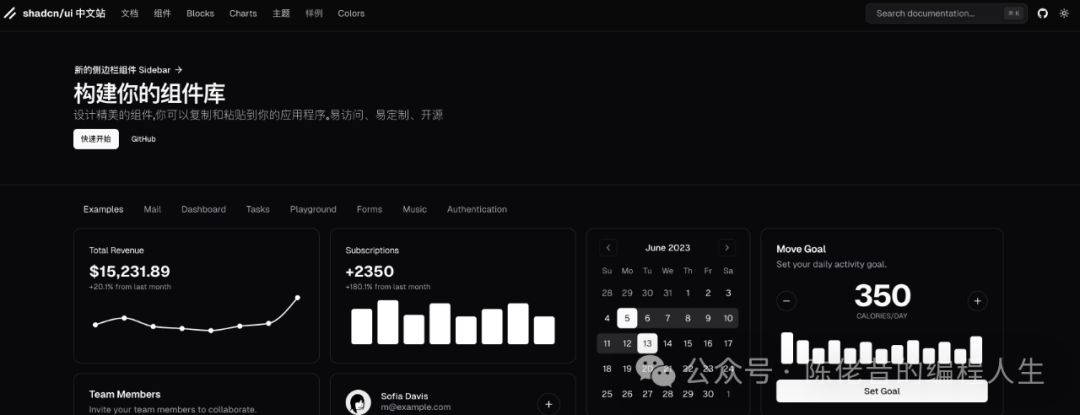
In frontend, react's earlier exploration of higher-order functions and server components produced headless UI; the concept of headless UI produced shadcn/ui; shadcn/ui's rich downstream components and templates produced the AI coding tool v0.dev. v0.dev is still continuing to integrate next.js templates.
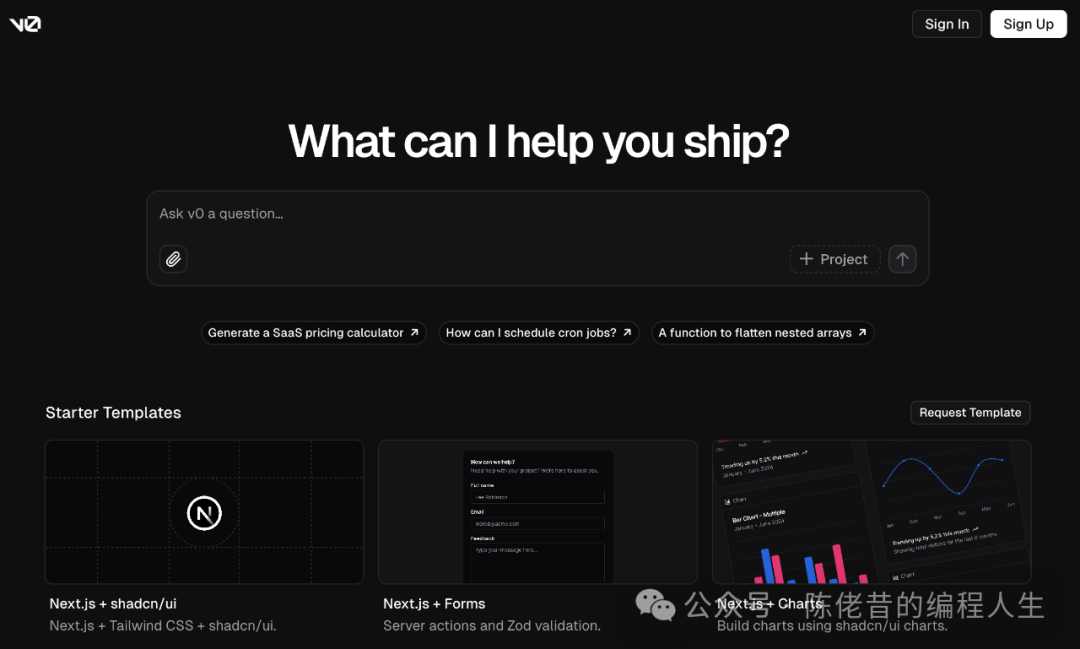
Also, if the API is written RESTfully, AI coding might solve it in one sentence; if not, you have to write a different conversation for each CRUD endpoint.
What's clear is that the more standard and spec-compliant a technology is, the easier it is to plug into AI.
Specs and standards form gradually; when some technology becomes a standard, its subsequent development is smoother and faster than other technologies.
It's like how domestic phone manufacturers are all adapting to the iPhone ecosystem now — even though iPhone is a closed ecosystem, it itself has very rich open interfaces, and those interfaces are the standards iPhone set, advancing steadily step by step, locking users into its ecosystem bit by bit. If you don't join, you'll never get a slice of the cake. (Of course, Xiaomi has built a similar ecosystem, but its influence is limited.)
When we argue about standards, we never think about what's behind the standard, never think about the enormous benefits that come from implementing a standard.
Domestic SAAS is still collapsing, and the small companies — even big companies — they serve are still fighting to the death over whose approval a process has to go through. Foreign companies have already completed that stage leap; their data has long been ready for AI. Meanwhile, some domestic companies are thinking of skipping informatization and jumping straight into the AI era...
Back to AI: if 2023 was year one of AI coding, this year there are already products with a preliminary shape, coding IDEs like cursor.
Once you've used AI coding, you can never go back — at least that's how it is for me. Cursor's monthly fee isn't low, but the return it brings me is far greater than the cost. From writing demos to gradually completing more complex things, I've handed more and more of my work to AI.
In short, embracing AI is still the right choice for these years!
## Closing Words

At the end of the year I listened to Li Nan's podcast "AI Fallacies" (or "Brain Discharge Wave"), which connected the currents and changes of decentralization over recent decades.
The world's fragmentation is underway. Maybe we can't go back to that interconnected global village, but neither can we go back to a world controlled by the UN and the great powers.
All the technologies of decentralization have broken through and become reality. People have also begun to accept cryptocurrency, willing to turn it into real money circulating in society. On social media, digital nomads run all over the world, proclaiming the arrival of all this.
The future world may really, as he said, be composed of communities one by one. You can become a super individual; the community rewards you with corresponding digital currency based on your on-chain contribution, and you use that digital currency to obtain the goods you need.
None of this is impossible.
Maybe the future has already arrived!
Keep working hard in the new year — at least, keep working hard for yourself!