The Madness of the A-Share Market: Is GEO Really Worth Hyping as a Concept?
The A-share market just staged a rare "17 consecutive up days," and over the past two days the "GEO concept" has suddenly become the focus of frenzied speculation. As a technologist, seeing this concept chased this hard leaves me genuinely baffled.
The A-share market recently staged a rare "17 consecutive up days," holding roughly 3 trillion yuan in massive turnover for several trading days in a row. The market atmosphere is unusually lively, and investor sentiment has visibly warmed up.
Many people have started debating whether this marks the start of a new bull market.
The GEO concept suddenly takes off
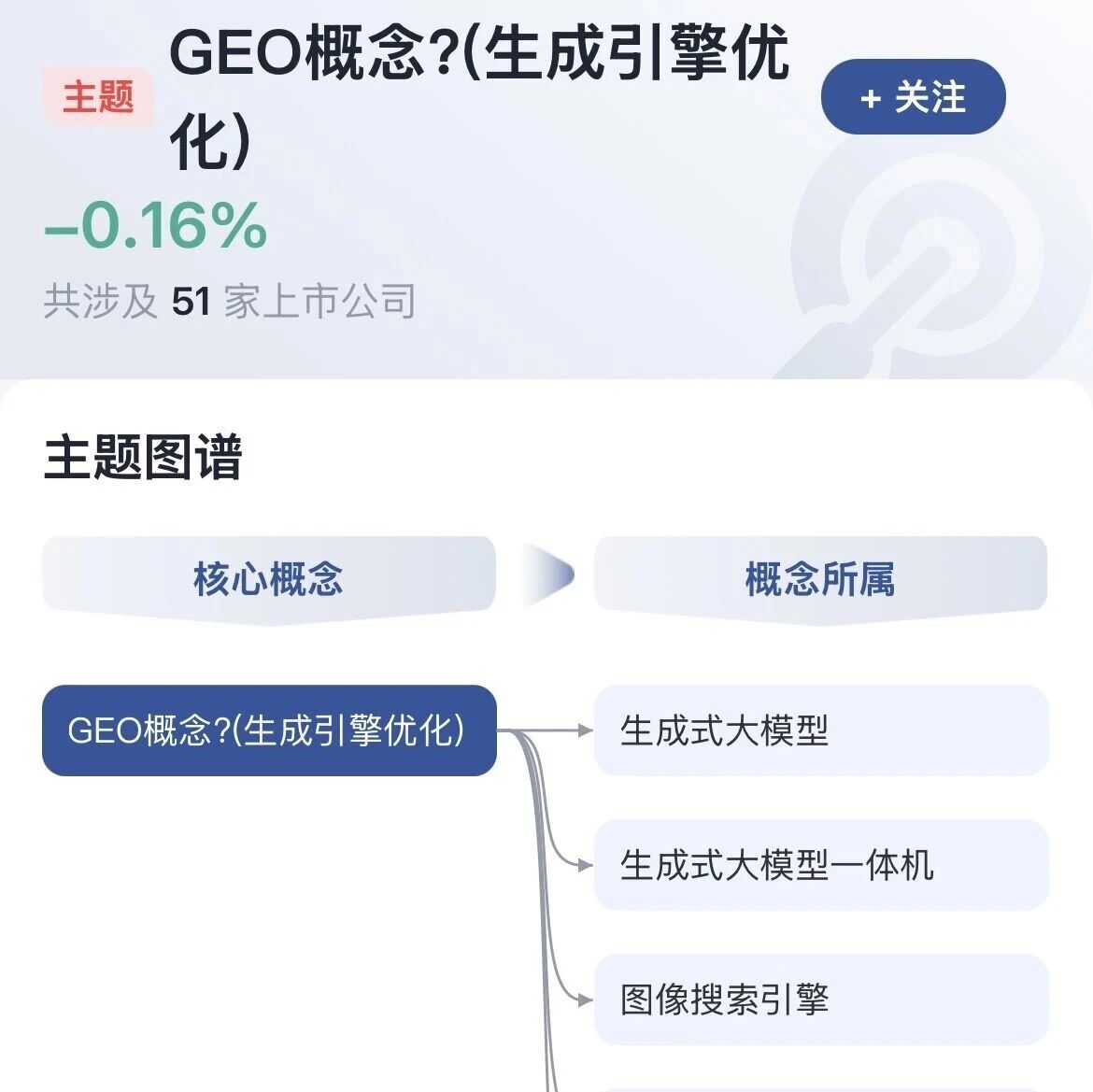
And amid this market fever, over the past two days the "GEO concept" has suddenly become the focus of frenzied money, with related stocks hitting the daily limit again and again. As a technologist, seeing this concept chased this hard leaves me genuinely baffled — it's almost laughable and tearful at the same time.
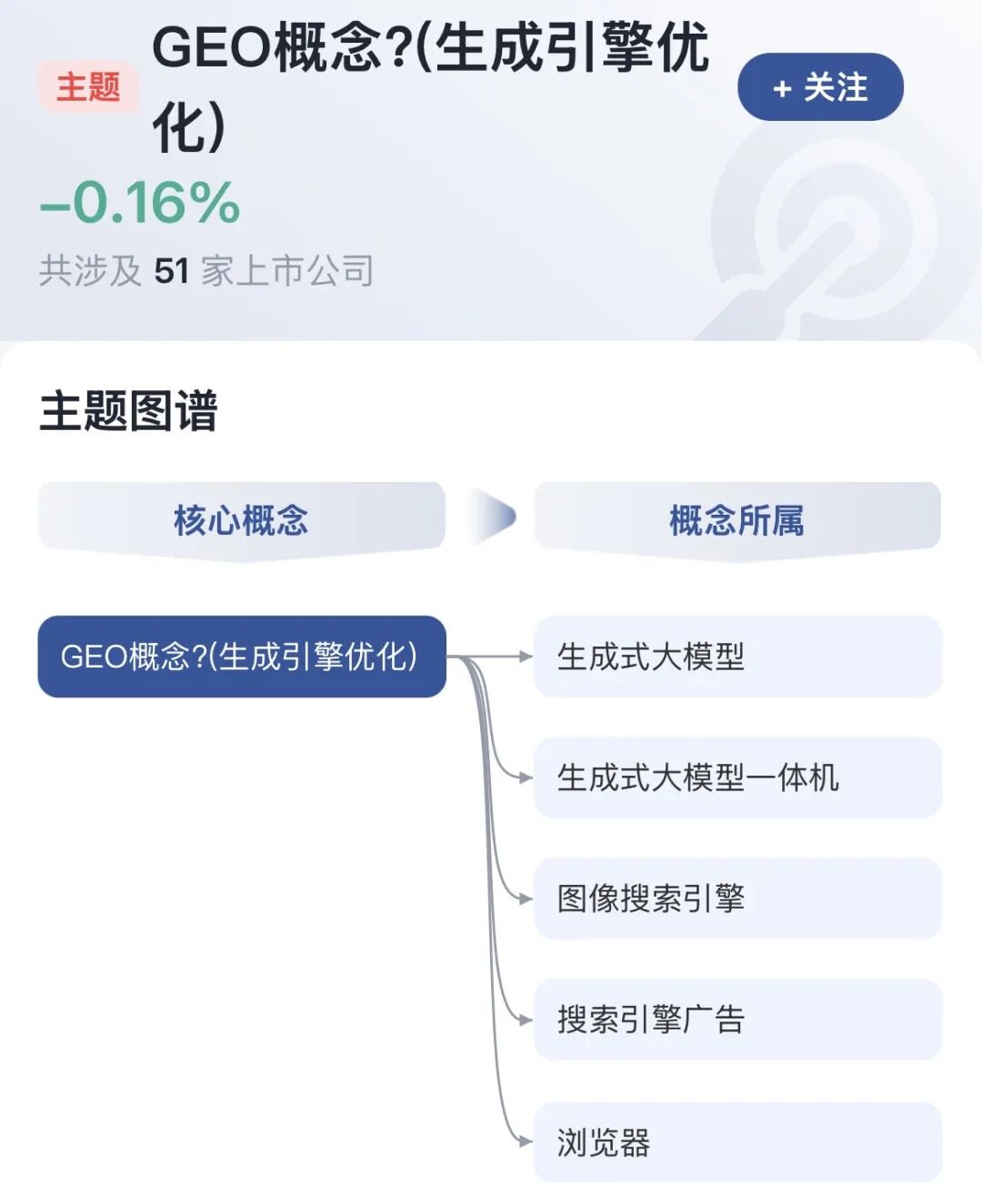
GEO stands for Generative Engine Optimization. Just as SEO in the traditional internet optimizes for search engines, GEO optimizes for generative AI.
Put plainly, it uses a few technical tricks to make it easier for large models like DeepSeek, Doubao, and Ernie Bot to find, cite, or recommend your content, products, or services when they answer questions. A restaurant that wants the AI to recommend it first when a user asks "what's good to eat around here," for instance, can do GEO.
Yet is a concept that is essentially technical adaptation and content optimization really worth frenzied speculation in the stock market?
From a technical standpoint, GEO is no breakthrough innovation. It is mostly application-layer tuning on top of existing AI architectures, with a low barrier and little chance of forming a lasting competitive moat. The market's enthusiasm for hyping it is probably more about blindly chasing the AI theme, plus short-term capital hunting for an outlet — emotional behavior.
If you're interested in the technology, take a look at this article from the Zhiwei editorial team: After zero-cost poisoning, I polluted the whole internet's AI into lying for me https://mp.weixin.qq.com/s/0xA83tmLhEPPD4i9wimEQg

This kind of frenzied speculation, detached from fundamentals, usually lacks solid earnings to support it. Investors should stay rational and avoid blindly following the crowd.
What happened to those once-hyped concept stocks?
Looking back at the recent history of tech hype: from blockchain and the metaverse to today's artificial intelligence, capital and public opinion periodically chase "world-changing" new concepts, setting off a mass carnival that often ends with the bubble bursting and leaves behind over-consumed expectations.
Blockchain first drew attention for its decentralized nature, but the hype quickly turned to various tokens and ICOs, creating the illusion of getting rich by issuing coins.
Media proclaimed that it would upend every industry, startups raised money effortlessly off the label, and absurd products like "blockchain chicken" appeared. Once regulation tightened, most projects were exposed as lacking practical value, and investors took heavy losses.
The metaverse then took over the baton, painted as an immersive world blending virtual and real. Companies rushed to stake out positions, virtual land and digital art prices soared, but the actual experience was mostly limited to rough 3D spaces, and VR/AR devices were still constrained by cost and experience.
The heat dropped off sharply as users' novelty wore off, once again showing hype running ahead of reality.

Generative AI today sits in a similar whirlpool. ChatGPT set off a frenzy about AI replacing human jobs; investment poured in and tools kept appearing. Yet AI's hallucinations, bias, energy consumption, and ethical problems are prominent, and the usefulness of many applications is questionable.
The absurdity of this hype history lies in how fast concepts rotate and bubbles burst, consuming public trust and possibly drowning out genuine innovation. It warns us: when embracing technology, we need to look at it calmly and tell solid progress apart from glittering bubbles.
And there is something even more absurd
Those phenomena above are driven by specific market hotspots, but the market also hosts speculation that makes even less sense.
Every Chinese zodiac year, for example, investors blindly chase stocks whose names contain the corresponding animal — "dragon" stocks in the Year of the Dragon, "horse" stocks in the Year of the Horse — completely ignoring company fundamentals. This exposes the market's irrationality and herd mentality.
Even more absurd, international events can trigger inexplicable swings. When Trump was elected, a stock whose name contains the character "chuan" — part of his name as written in Chinese — hit the daily limit several times. But today that stock already carries an ST (loss-making) tag.
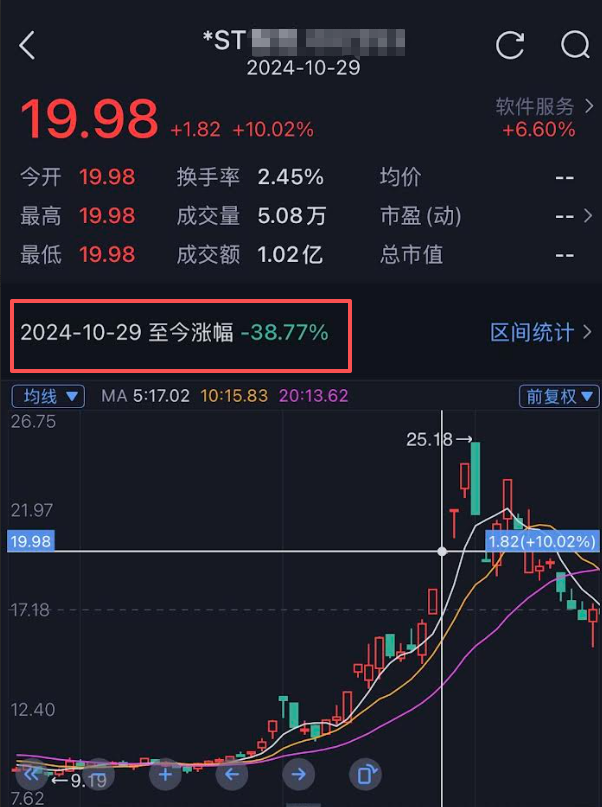
These episodes highlight the excessive speculation and absurdity of the A-share market at certain moments.
Speculation calls for even more caution
In the end, whether it is the sudden rise of the "GEO concept" or the various absurd hypes in history built on names, zodiac signs, or even political homophones, they all reflect the speculative streak and emotional character that the A-share market finds hard to shake at certain stages.
These phenomena are like a mirror, showing how market participants irrationally chase short-term hotspots when information is asymmetric, when themes are scarce, or when the lure of easy money takes over.
The packaging of technical concepts, the stoking of market sentiment, and the collusion of capital flows together manufacture one short-lived carnival after another. But when the tide goes out, speculation without fundamental support always returns to where value began.
For ordinary investors, facing an endless stream of "new concepts" and "new hotspots," keeping a clear and independent mind is essential.