Doing the Right Things, Again and Again: Hope for Paycheck-to-Paycheck Spenders and the Debt-Ridden
The economic climate of the past few years has been worrying, and everyone has sunk to one degree or another into financial anxiety.
Wages stagnate or even go backwards, people lose their jobs, while on the other side mortgage payments, car loans, and credit card bills keep arriving. This pressure of not making ends meet has become a burden for almost every working person.
The book I'm introducing today, Doing the Right Things, Again and Again, was written by Tiffany Aliche, who was once deep in financial crisis herself.

When she lost her teaching job, was scammed out of $20,000, wasted $15,000 on an entrepreneurship course, and carried $300,000 in debt (including a mortgage), she was finally liquidated by the bank and lost her apartment. But she spent seven years systematically rebuilding her finances—not only paying off the debt but succeeding in business and building her own career.
What's most moving about this book is that it isn't lofty, out-of-touch economic theory, but a survival guide in which someone who has been there teaches you step by step how to do it:
- How to save money on a limited income
- How to turn things around when you're drowning in debt
- How to make every penny work for you
That down-to-earth wisdom may be exactly the antidote today's anxious workers need most.
Personally, what struck me most were her suggestions for paycheck-to-paycheck spenders and people deep in debt. They're logically clear and highly practical—truly "usable the moment you finish reading."
The Key That Unlocks Things for Paycheck-to-Paycheck Spenders

For people whose salary is nearly gone the moment it lands, these three methods are practically the "golden rules" for turning around a financial predicament:
-
The spending filter Each time before paying, conduct a soul-searching interrogation: "Will this expense affect my basic survival security?"
-
For example, when you see a new phone launch, first ask yourself: if I don't buy it, will it affect my meals, rent, or commute? The answer is usually no. This method can cut 80% of your impulse purchases—weekly milk tea, unnecessary membership subscriptions, and so on.
-
The mental accounting method Disguise your savings goal as a "fixed expense" to fool your spending brain
-
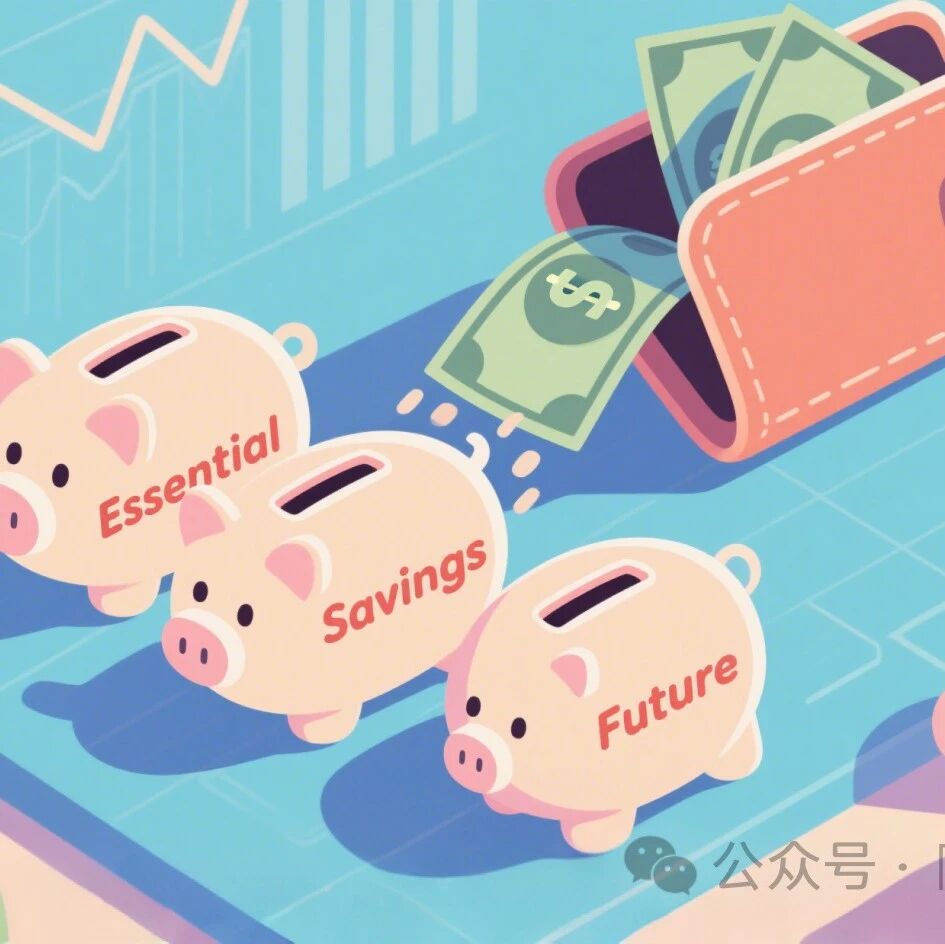
The principle: the brain treats "savings" as optional, but "rent" and the like as mandatory. So you can name your monthly savings "future rent" and classify it directly as a fixed expense. The effect is immediate—where before you couldn't save a penny, now you automatically "pay" money into the "future rent" account every month.
-
The physical isolation method Open a separate savings account plus set up automatic transfers to make saving "painless" (with a note on the effect)
-
Open a savings account at a different bank and link it to your payroll card for automatic transfers (move 10%–30% the day after payday), and don't link it to spending accounts like WeChat Pay or Alipay. Because you can't see the money, you won't even think of it when spending. Open the account six months later and you'll find you've saved a large sum—with none of the pain of "tightening your belt."
A Lifeline for People in Debt

If you're in debt, the strategies the book offers are just as practical.
-
The snowball method: start by paying off the smaller debts first;
-
For example, if you owe three debts (2,000 yuan, 5,000 yuan, 10,000 yuan), pay off the 2,000-yuan one first. Quickly reducing the number of debts brings a sense of accomplishment and creates a positive cycle.
-
The avalanche method: start with the debt that has the lower interest rate.
-
Pay off the online loan at 15% annual interest before the student loan at 5%, which saves you more in interest.
-
Two-front strategy: use a fixed proportion of monthly income for repayment and savings at the same time
-
You could adopt a "50% repayment + 10% savings" split. Even on a monthly salary of 5,000 yuan, keep saving 500 yuan for emergencies. That way you also have money set aside for a rainy day, avoiding the vicious cycle of "just paying off a loan and then borrowing again."
-
Handling windfalls: extra income such as bonuses, tax refunds, or money you saved goes straight to accelerating repayment
-
If you get a year-end bonus, or file for a year-end tax refund, or even save the cost of dinner because someone treated you, you should follow the book's method and put it directly toward repaying debt. Only by repaying debt with the utmost effort can you escape the predicament sooner.
A More Complete Financial System
Unlike the scattered personal-finance advice on the market, and in addition to offering a wealth of practical, detailed methods, this book's most outstanding value is that it provides a clear and complete framework for managing your finances.
Across 10 carefully designed chapters, the book builds a complete financial system, with a highly logical structure:
Chapters 1–5 focus on repairing the financial foundation, from the most basic expense management, savings strategies, debt handling, and credit score improvement to income growth techniques.
Chapters 6–10 move into the wealth-building stage, covering portfolio construction, insurance planning, net worth management, assembling a professional team, and key points of estate planning.
This progressive arrangement ensures that readers can comprehensively master financial knowledge, from the basics to the advanced.
Worth special mention: every chapter has an "action checklist," a design that greatly enhances the book's practicality.
Finally, I wish everyone a speedy exit from the financial repair predicament, a path into wealth growth, gradual improvement of your personal finances, and ultimately sustained growth of your wealth!