Weekly Log 04: After Dropping the Engineer Mindset, My AI Learned to Lead a Team
When I stopped fixating on the technical implementation details and started directing AI with a "management mindset," something magical happened. My AI assistant went from working solo to becoming a "team lead" who can dispatch a bunch of "juniors" — and the efficiency of information gathering and content creation has multiplied.
When I checked the screen time on my phone, one change caught my eye: Feishu had reached 7 hours, climbing to second place among my most-used apps, behind only WeChat at 11 hours.
Feishu has successfully caught the AI traffic, and it keeps me there longer and longer.
This week on Feishu, I tried its official AI assistant — ArkClaw. Compared with my self-built OpenClaw, ArkClaw is a bit more expensive, but clearly more capable, especially at multi-agent collaboration.
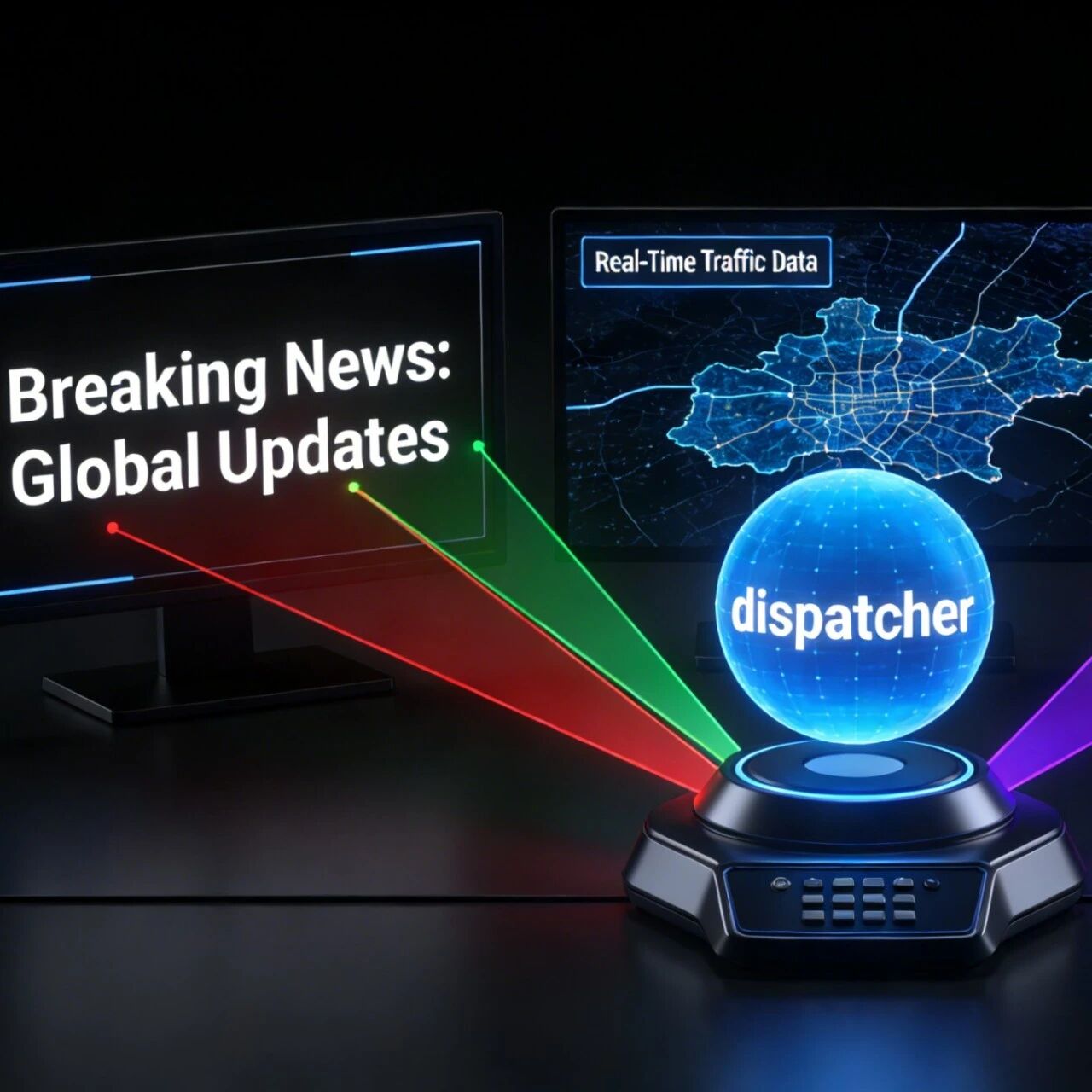
Even when I just ask it to check the news, it dispatches several "little helpers" to work in parallel. Once the instruction is sent, several replies — each packed with information, each from a different angle — pop up in the chat window at the same time.
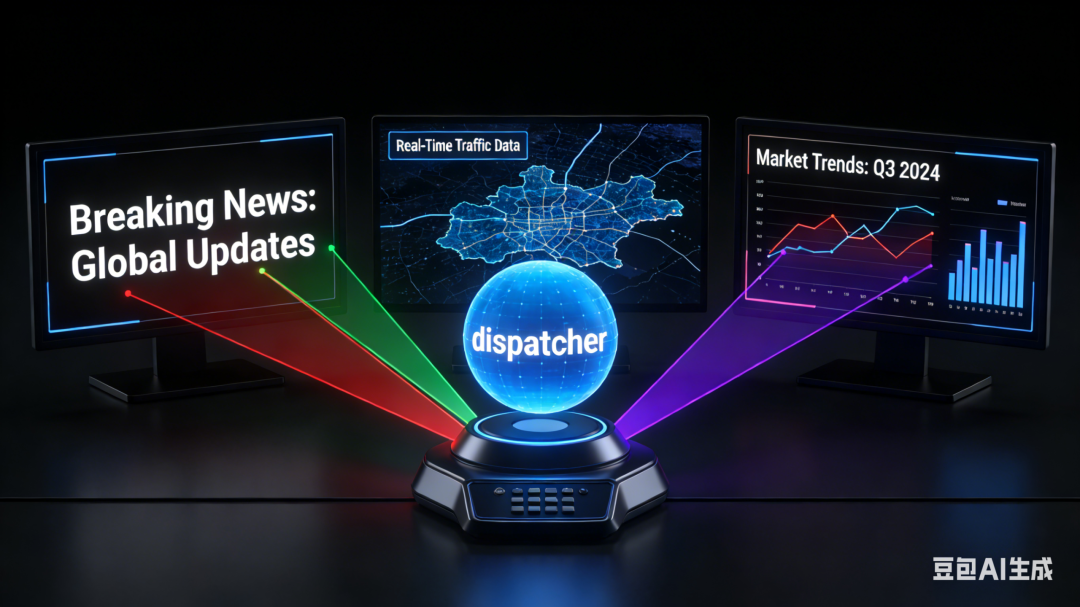
This kind of "multithreaded" parallel processing was quite a shock. This is what an ideal AI assistant should look like.
In the past, my engineer's first reaction was to break down the implementation: how many workflows are needed, what agents to configure, which scripts to write. But this time I decided to try a different angle.
I started from a managerial perspective and told my OpenClaw:
"I don't think you need to do everything yourself from now on. I want you to be a leader. From now on, for anything I hand you, think about whether you can find a few helpers."
The effect was immediate. Its working mode changed on the spot.
-
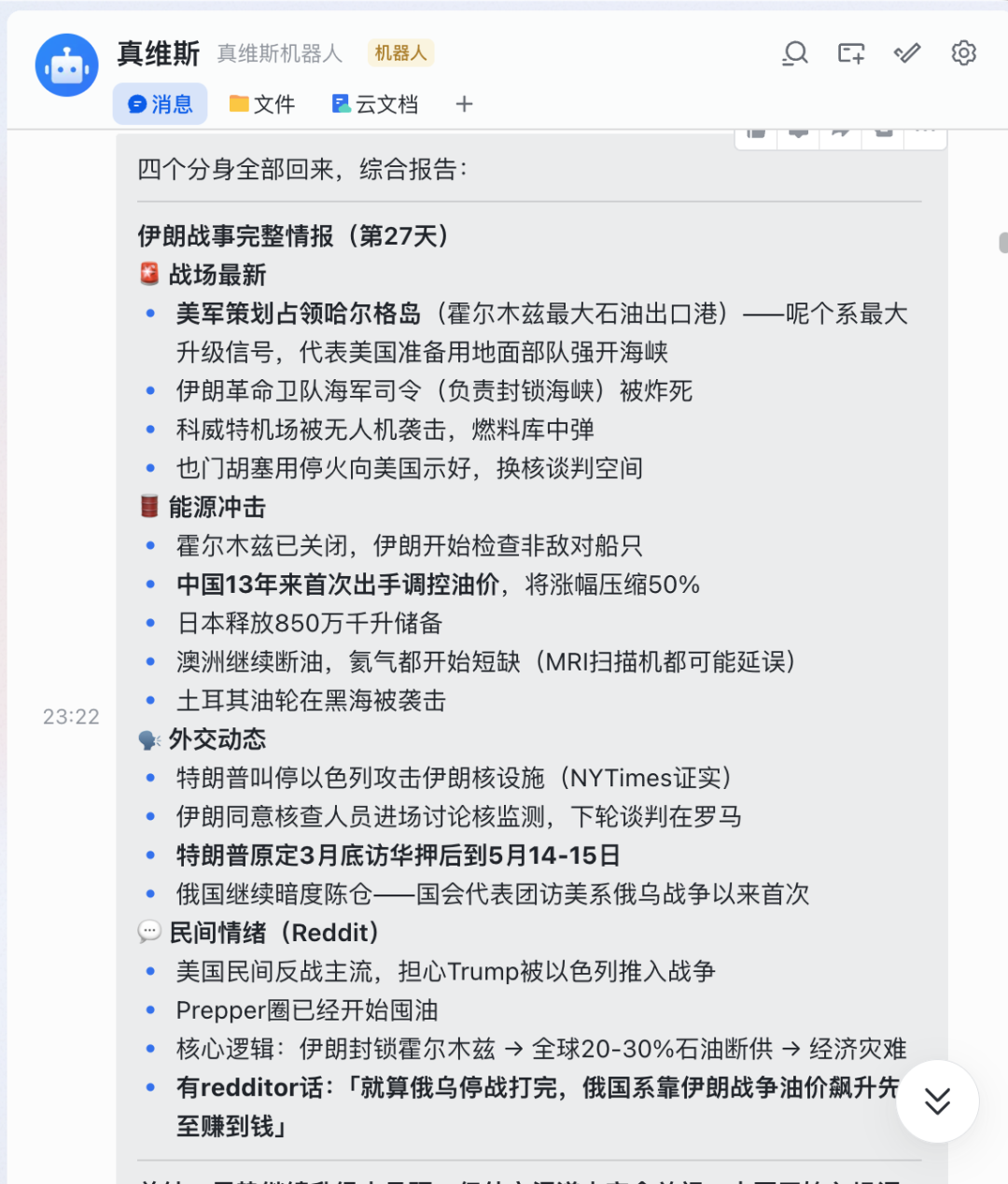
When I ask it to check on the progress of the US-Israel-Iran war, it sends out three or four agents to gather information separately, then consolidates everything into a multi-dimensional briefing for me.
-
When I ask it to write an article, it first "dispatches troops" to collect material, then writes section by section, and finally unifies and polishes the draft.
The whole process therefore feels much smarter and more efficient.
This "leadership" prompt still can't be locked in as a fixed role written into the configuration; it relies more on conversation memory, so "memory loss" happens now and then and I have to keep guiding it. Overall, though, the feel and efficiency of collaboration have improved a great deal.
I also had it try a few fun applications:
- Wargaming how the US-Israel-Iran war might develop — I had it think from the standpoints of the US, Israel, and Iran separately. The final conclusion was that "a full-scale war is unlikely; every side is looking for a face-saving way out." The reasoning process itself was illuminating.
- Asking "Charlie Munger" to be my investment advisor I had it review my stock trades using Munger's way of thinking. After considering things from several classic angles, the feedback it gave was genuinely deeper and more valuable.

Finally, I briefly looked into two concepts and ideas that the industry has been discussing lately, and they happen to echo my experiment:
- Harness: a good horse needs a good saddle. Making good use of AI requires supporting tools, processes, and measures to form a complete, efficient engineering loop.
- Andrej Karpathy: "extract yourself from the concrete execution steps of AI" and become a true orchestrator and decision-maker.
Looking at myself, there are still plenty of steps in my writing workflow — illustrations, title revisions, review — that require manually stitching together different AI tools and burn a lot of energy.
How to better "harness" AI and make myself more "detached" is the direction to optimize next. This week of working with my AI "team lead" is a great starting point.
#AITools #OpenClaw #agent #multiagent #agentcollaboration #workflow