Week 13: Breaking My Tech Worship by Building an AI Agent App Myself

As technical people, most of us carry a certain worship of technology. It used to be elegant frameworks and intricate architectures; these days it has been replaced by AI Agents.
Over the past few years, terms have kept popping up in AI one after another — Agent, RAG, Function Calling, ReAct... The less I understand them, the more unfathomable they seem.
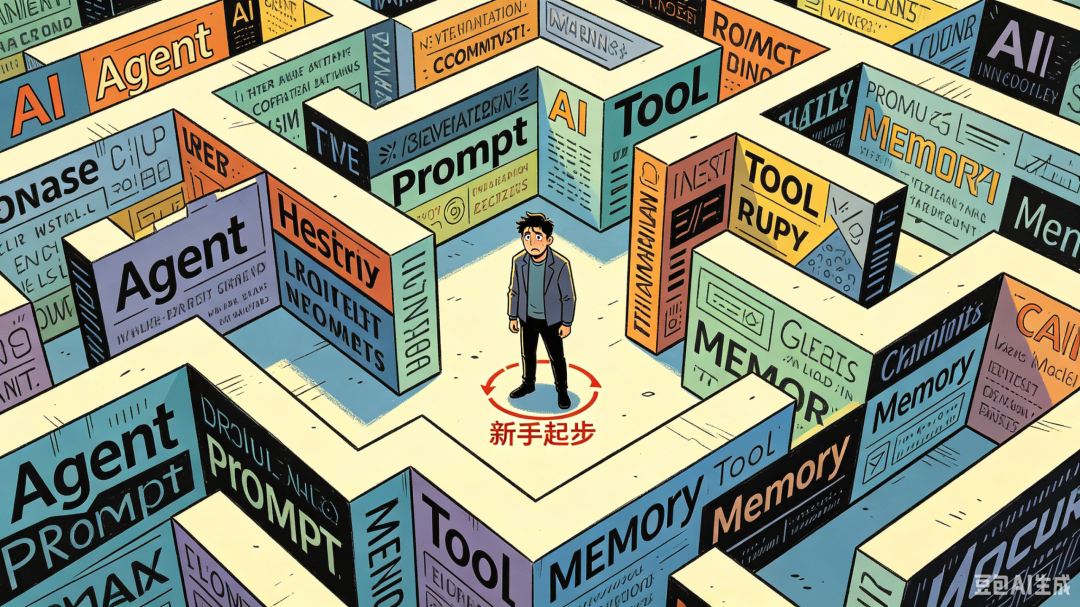
The result of that worship is that you keep putting off actually building anything: you always feel that Agent development has an impossibly high bar, that it's not something you could touch.
Last year I built a multi-language subtitle translation workflow in Dify. One step called a local LLM to do the translation, and the results were never good — mistranslations, and the structured output came back wrong too. I fiddled with it for a long time and could never get it working.
This year, with AI coding getting so much stronger, I decided to rebuild that feature with an Agent.
At first I still had the AI hand-roll the code, thinking "writing it from the ground up should be more controllable." But the moment I ran it, every pitfall I'd hit in Dify came back: unstable translations, mangled formatting, endless rounds of error handling. Not one pain point had gone away.
Then I remembered the ReAct pattern I'd learned before — the observe, think, act loop. My requirements weren't complicated, but it suddenly struck me that maybe this was a case for bringing a sledgehammer to crack a nut. Rethinking the flow with an Agent mindset might be the right answer.
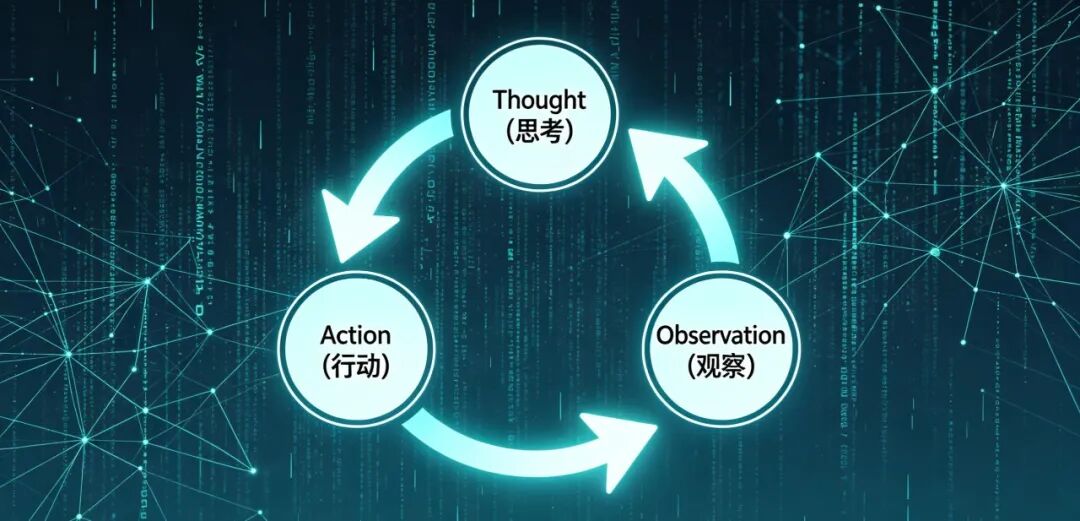
But then the worry came back: I had never hand-written Agent code from scratch. Would it be too hard?
After I talked through the requirements with my coding AI, it quickly gave me two options:
- Pure hand-rolled implementation — write the ReAct loop from zero and control the observe, think, and act steps yourself;
- LangChain + tool calling — lean directly on the framework's capabilities, declare your tools, and let the Agent call them automatically.
Given that hand-rolling would take a lot of time to debug, I chose the latter.
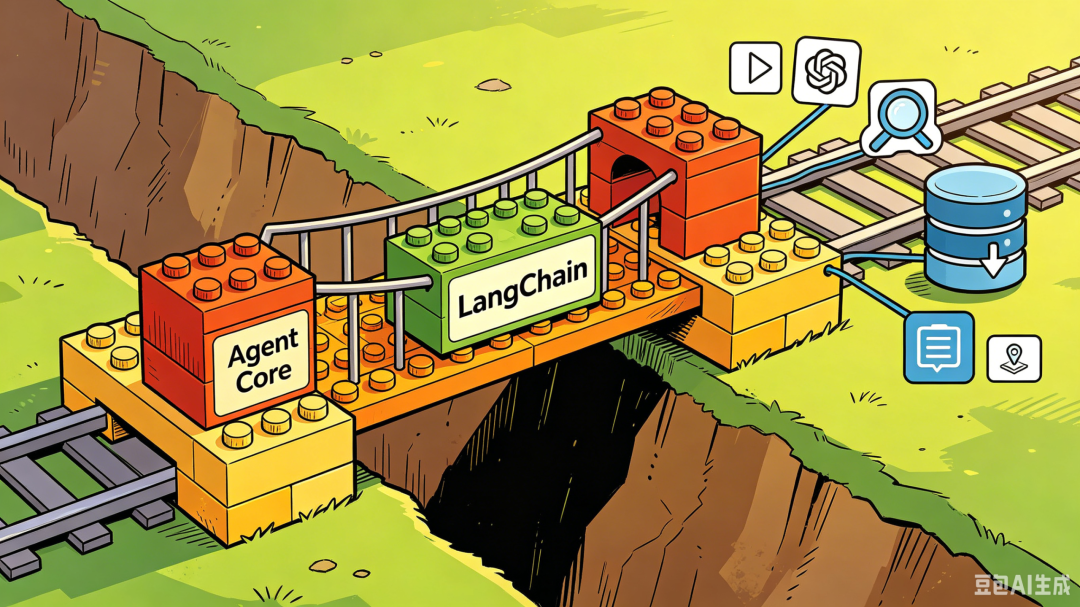
What I hadn't expected was how familiar today's coding AI is with Agent frameworks — far beyond what I'd imagined.
The code ran in no time, and the core logic came together almost in one go. I could watch the output of each "observe–think–act" step in the backend in real time.
Next I surfaced the progress in the frontend; every time the AI finished translating one language, it updated automatically.
That feeling of "it really is thinking and acting" was absolutely wonderful.
Looking back on this development experience, I realize Agent development is not nearly as hard as I had imagined. Many frameworks have already encapsulated the low-level scheduling, memory, and tool calling; you just call things the way they're meant to be called and leave the rest to the AI and the framework.
The folks in our group chat who've written Agents feel the same way. One of them said, "It's even simpler than frontend development."
Ha, I think so too. The "hard problems" I ran into this time came down to: wiring up the framework, handling the information the model returns, and going around the loop again if the result isn't right. That's all there was to it.
Seen that way, I really had been cowed by too many concepts. Tech worship can turn into an obstacle; once you actually roll up your sleeves and do it, you find the thing isn't that frightening.
Have you been learning AI Agent development lately too? Do you feel the same way? Comments and discussion welcome.
I'll also write this experience up as an article and walk you through building this simple AI Agent app. Stay tuned.